India Amends Trade Policy to Ban Imports Made With Forced Labour
Jyoti Rathi - Kolkata Bureau Jul 15, 2026 500 Views
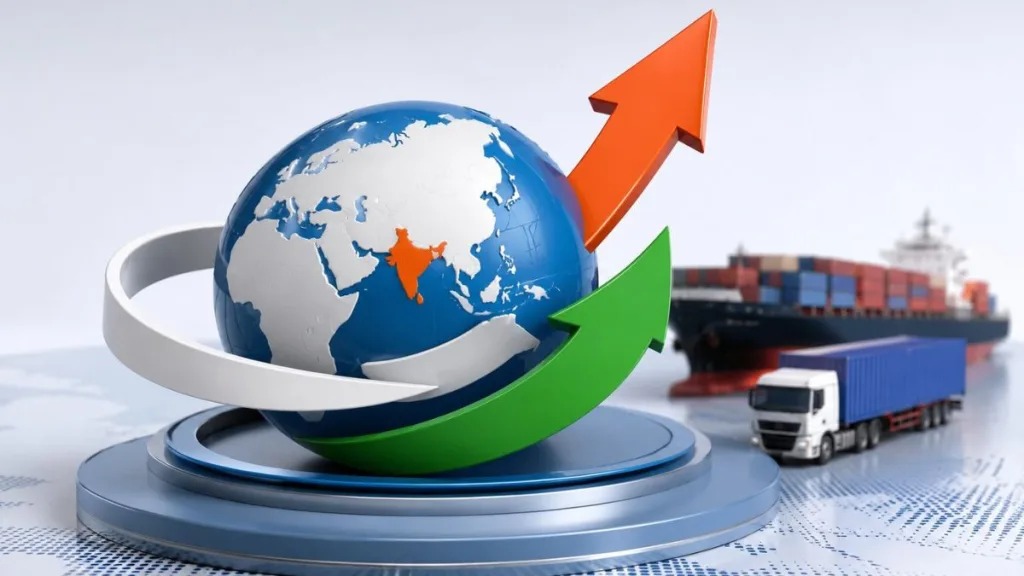
India has amended its Foreign Trade Policy to prohibit imports produced with forced labour, adopting the ILO definition to strengthen its ethical sourcing framework. This move follows a USTR Section 301 investigation that proposed tariffs on several nations, including India, for allegedly failing to enforce such prohibitions.
New Delhi — In a move to strengthen its regulatory framework and address international trade concerns, the Government of India has amended its Foreign Trade Policy (FTP) to explicitly prohibit the import of goods produced or manufactured, wholly or in part, through the use of forced labour.
The notification, issued by the Directorate General of Foreign Trade (DGFT) on July 13, 2026, introduces a dedicated legal provision defining and restricting such imports, aligning India’s trade practices with international standards as defined by the International Labour Organisation (ILO) Forced Labour Convention, 1930.
Strengthening the Regulatory Framework
The newly inserted provision in the Foreign Trade Policy 2023 grants the central government the authority to identify and prohibit the import of specific goods if inquiries or other relevant evidence determine they were produced using forced labour.
The government has adopted the ILO definition of forced labour, characterizing it as "all work or service which is exacted from any person under the menace of any penalty and for which the said person has not offered himself voluntarily". According to officials, while existing labour and criminal laws already addressed these issues domestically, this amendment explicitly incorporates a trade-specific measure into the policy framework. The new provisions are set to take effect 30 days following their publication in the official gazette.
Context: US Section 301 Investigation
This policy shift occurs against the backdrop of an ongoing Section 301 investigation by the Office of the United States Trade Representative (USTR). The USTR probe, launched in March 2026, covers approximately 60 economies, including India, over allegations that they failed to effectively enforce import bans on goods manufactured using forced labour.
On June 3, 2026, the US proposed additional tariffs of 12.5% on imports from 54 economies, including India, citing the lack of explicit prohibitions as a burden on US commerce. India has consistently rejected these allegations, maintaining that it remains committed to the elimination of forced labour as a constitutional obligation. During public hearings in July, Indian representatives argued that the absence of a specific import ban did not signify official acquiescence to such practices and urged that these concerns be addressed through ongoing bilateral trade agreement negotiations.
Strategic Implications
Trade policy experts view this notification as a significant step in aligning India’s regulatory environment with global ethical sourcing standards.
"India’s notification signals that it is strengthening its domestic legal framework in line with international standards, a step that could strengthen its position in future trade negotiations and market-access discussions," said Ajay Srivastava, founder of the Global Trade Research Initiative (GTRI)
While the order establishes the necessary legal framework, analysts note that its ultimate effectiveness will depend on the investigation mechanisms outlined in the Handbook of Procedures, 2023.
Key Facts at a Glance
New Provision: Import of goods produced wholly or partly through forced labour is now prohibited.
Definition: Adopts the ILO Forced Labour Convention, 1930 definition of forced labour.
Implementation: The provision will become effective 30 days after its publication in the official gazette.
Enforcement: The DGFT is empowered to conduct inquiries and specify prohibited goods based on evidence.
Context: The move follows a USTR Section 301 investigation that proposed tariffs on 54 economies over forced labour concerns.
Frequently Asked Questions (FAQ)
Why did India amend its Foreign Trade Policy?
The amendment strengthens India's regulatory framework regarding ethical sourcing and aligns domestic trade policy with international standards, amid heightened global scrutiny and an ongoing USTR investigation.
Does this mean an immediate ban on imports?
No, the amendment establishes a legal framework. The government will specify prohibited goods through future notifications based on the findings of inquiries.
How is "Forced Labour" defined under this policy?
The policy adopts the ILO definition: all work or service exacted from any person under the menace of penalty for which the person has not offered themselves voluntarily.
What is the current status of the US Section 301 investigation?
The US investigation is ongoing, and a final verdict regarding the proposed tariffs is awaited. India continues to engage with the US through bilateral trade negotiations.