In a sharp and urgent statement, the Indian National Congress has called on the government to abandon its passive stance and respond decisively to what it describes as the systematic dismantling of global institutions like the World Trade Organization (WTO) and World Health Organization (WHO) by...
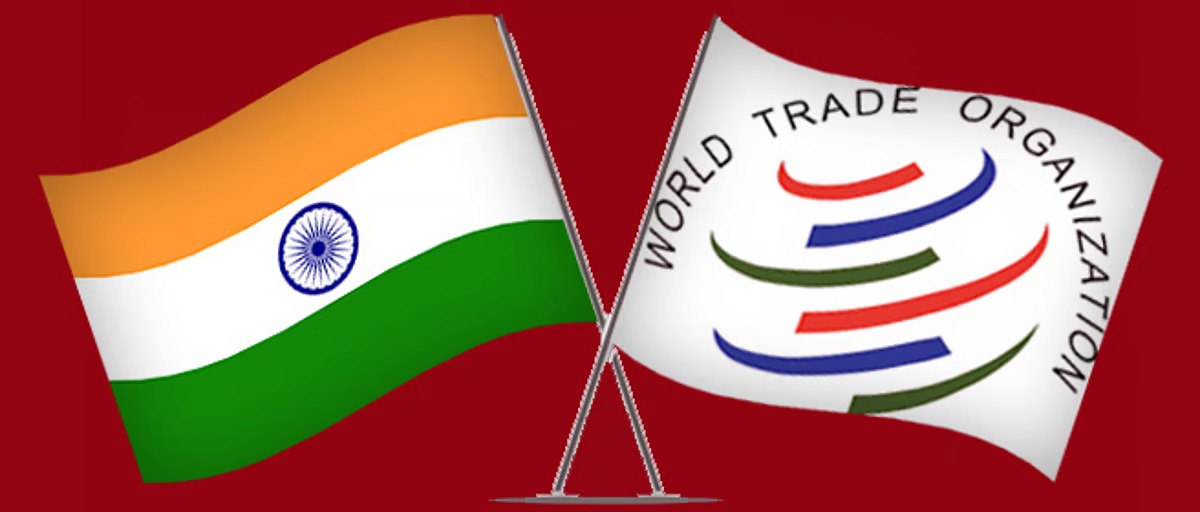
In a sharp and urgent statement, the Indian National Congress has called on the government to abandon its passive stance and respond decisively to what it describes as the systematic dismantling of global institutions like the World Trade Organization (WTO) and World Health Organization (WHO) by U.S. President Donald Trump. The party emphasized that India, with its deep economic and geopolitical stakes, cannot afford to remain a silent observer.
Congress leader Jairam Ramesh, speaking on behalf of the party, warned that the very foundation of multilateralism is being eroded, and India’s future in global trade and diplomacy hangs in the balance.
Key Developments and Reactions
- President Trump has issued an executive order imposing a 25 percent tariff on Indian exports to the United States, effective August 7.
- The order also includes an unspecified penalty for India’s continued purchases of Russian military equipment and energy.
- Congress claims the WTO has been “destroyed” under Trump’s second term, with the U.S. abandoning its leadership role in favor of unilateral decision-making.
- India’s Ministry of Commerce has stated it is examining the implications and will take necessary steps to safeguard national interests.
Congress’s Critique: A Call for Assertive Diplomacy
The Congress party’s statement is not just a critique of U.S. policy but a direct challenge to India’s current diplomatic posture. According to Ramesh:
- India has the highest stakes in institutions like the WTO, WHO, and UNESCO, which have historically supported developing nations.
- The U.S. has gutted the WHO and withdrawn from the Paris Climate Agreement and UNESCO, further weakening global cooperation.
- India must move beyond slogans and acronyms and engage in proactive diplomacy to protect its strategic interests.
Congress argues that India’s silence could be interpreted as complicity or weakness, especially when its economy and global standing are directly impacted.
Implications of the Tariff Shock
The newly announced 25 percent tariff on Indian exports is expected to hit sectors such as:
- Textiles and garments
- Automotive components
- Pharmaceuticals
- IT services and electronics
While the executive order does not detail the penalty for Russian purchases, analysts believe it could involve further trade restrictions or financial sanctions. The timing of these measures, just ahead of the festive export season, adds pressure on Indian exporters and policymakers.
India’s Strategic Dilemma
The government now faces a complex challenge:
- Retaliate diplomatically or economically without escalating tensions
- Preserve its defense and energy ties with Russia
- Maintain access to U.S. markets amid rising protectionism
Experts suggest that India may need to recalibrate its foreign policy to balance its strategic autonomy with economic pragmatism.
Global Context: Multilateralism Under Siege
The Congress’s warning comes amid a broader global trend of weakening multilateral institutions:
- The WTO’s dispute resolution mechanism has been paralyzed since 2020
- The WHO has faced funding cuts and credibility challenges
- Climate and cultural accords have seen major withdrawals by the U.S.
India, as a major emerging economy, has traditionally relied on these platforms to advocate for fair trade, health equity, and climate justice.
Conclusion: Silence Is Not Strategy
Congress’s message is clear: India must not be a mute spectator while the global order is reshaped. With tariffs looming and institutions crumbling, the time for strategic silence may be over. Whether the government responds with diplomacy, defiance, or a new doctrine remains to be seen.
Source: The Hindu