




Loading market data...
ADVERTISEMENT

Latest Top News
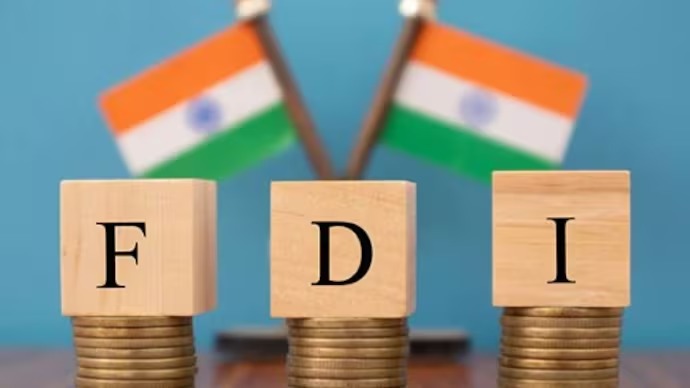
India Considers Easing FDI Norms To Boost Manufacturing And Joint Ventures
India is set to ease foreign direct investment (FDI) rules for countries sharing land borders, covering sectors like battery components, rare earth magnets, and processing. The move aims to attract capital into joint ventures and domestic manufacturing, with proposals to be scrutinized by an inter-ministerial body in a time-bound manner.
Stay Ahead – Explore Now! Bharat Innovates 2026 Conclave Opens in Nice to Advance Deep Tech
ADVERTISEMENT

Latest Updates

India Restricts Access to Telegram Platform Nation...
16 Jun 2026, 10:48 AM
Bandhan Bank Board Approves ₹303.74 Crore Housing...
16 Jun 2026, 10:34 AM
Nifty 50 Index Advances 0.50% in Early Trading Ses...
16 Jun 2026, 10:43 AM
RBI Allots ₹894.40 Billion at 7-Day Variable Rate...
16 Jun 2026, 10:40 AM
Super 30 Founder Anand Kumar Launches Free Global...
16 Jun 2026, 10:30 AMADVERTISEMENT

Top Stories
India Restricts Access to Telegram Platform Nation...
16 Jun 2026, 10:48 AM
Bandhan Bank Board Approves ₹303.74 Crore Housing...
16 Jun 2026, 10:34 AM
Nifty 50 Index Advances 0.50% in Early Trading Ses...
16 Jun 2026, 10:43 AM