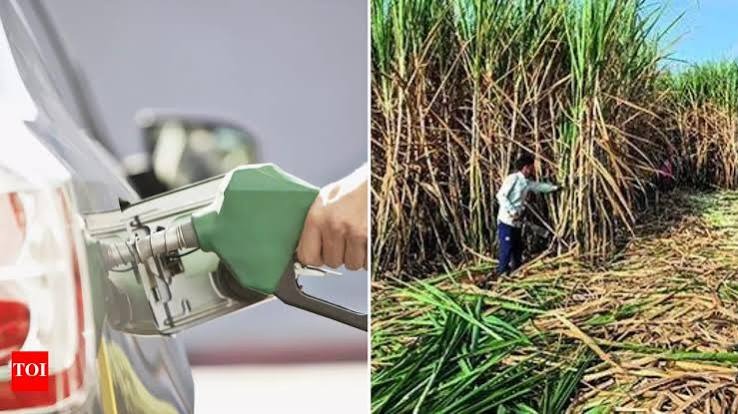
India is considering restricting sugarcane use for ethanol in the upcoming October season to boost domestic sugar supplies and control record-high prices driven by weak monsoon rains in Maharashtra and Karnataka. The shift aims to prevent sugar imports while maintaining ethanol targets via alternative feedstocks like corn.
MUMBAI/NEW DELHI — Amid surging domestic food costs and tightening inventories, the Indian government is actively considering restricting the amount of sugarcane diverted for ethanol production for the marketing season beginning October. According to government and industry insiders familiar with the confidential discussions, the potential policy shift aims to boost overall sugar output and calm record-high domestic price levels.
The deliberations come as reduced rainfall in key agricultural states—notably Maharashtra and Karnataka—raises serious concerns regarding the upcoming sugarcane crop yield. By prioritizing domestic sugar supplies over biofuel manufacturing, regulatory authorities intend to prevent potential supply shortages and avoid the necessity of costly overseas sweetener imports.
Factors Driving Potential Policy Adjustments
The core motivation behind the proposed restrictions stems from a combination of adverse weather patterns and persistent inflationary pressures. Wholesale sugar prices across vital trading hubs like Kolhapur in Maharashtra have climbed roughly 10% over the past month, touching all-time highs.
Market analysts note that this price appreciation coincides with a period of traditionally high consumption ahead of the upcoming festival season, spanning from August through November. Industrial buyers, including beverage manufacturers and confectionery producers, have ramped up inventories, further tightening spot supplies. Consequently, industry stakeholders indicate that restricting the diversion of cane juice and heavy molasses toward ethanol could redirect vital volume straight back into the domestic sugar pipeline.
Scope of Restrictions and Alternative Fuel Options
The contemplated limits are expected to directly affect the processing of specific intermediate products derived from sugarcane.
B-Heavy Molasses and Cane Juice: Government and industry sources indicate that the restrictions would cover ethanol production streams originating from B-heavy molasses and direct cane juice.
Alternative Feedstocks: To ensure that national biofuel blending mandates remain on track, policymakers are reviewing mechanisms to encourage greater utilization of alternative grains, such as surplus corn and damaged foodgrains, for ethanol manufacturing.
Official Sources Section
Information concerning these regulatory evaluations is based on exclusive briefings and reports provided by Reuters and industry bodies such as the Bombay Sugar Merchants Association.
"According to officials, prioritizing sugar supplies over ethanol could help India avoid sugar imports by boosting domestic supplies as production falls."
Why It Matters
For citizens and consumers, the stabilization of sugar prices is a critical step toward controlling broader retail food inflation. For businesses, commercial bakeries, and beverage makers, a secure supply of domestic sweetener prevents input cost spikes during peak consumer demand cycles. Meanwhile, investors in the sugar and bioenergy sectors must navigate a shifting regulatory landscape where central energy mandates dynamically balance against national food security imperatives.
Key Facts at a Glance
Proposed Policy: Potential restrictions on sugarcane utilization for ethanol production starting in October.
Primary Drivers: Reduced monsoon rainfall in Maharashtra and Karnataka, alongside record-high domestic sugar prices.
Alternative Measures: Possible expansion of corn and rice utilization to meet national ethanol blending objectives.
Market Impact: Aimed at boosting local availability and averting the need for international sugar imports.
FAQ Section
Why is India considering restrictions on sugarcane for ethanol?
The government is weighing these limits to increase domestic sugar availability and tame record-high market prices driven by lower output expectations in key producing states.
Which regions are most affected by lower cane yields?
Maharashtra and Karnataka, India's largest sugarcane-producing states, have experienced reduced rainfall that negatively impacts upcoming crop forecasts.
How will national ethanol blending targets be met if sugarcane is restricted?
Officials report that policymakers are looking to scale up the use of alternative biomass feedstocks, including surplus corn and rice, to sustain blending goals.
When will an official decision regarding the restrictions be announced?
Deliberations remain private, but market participants anticipate formal announcements from regulatory authorities ahead of the new marketing season in October.
Source: Reuters, The Economic Times, Business Standard