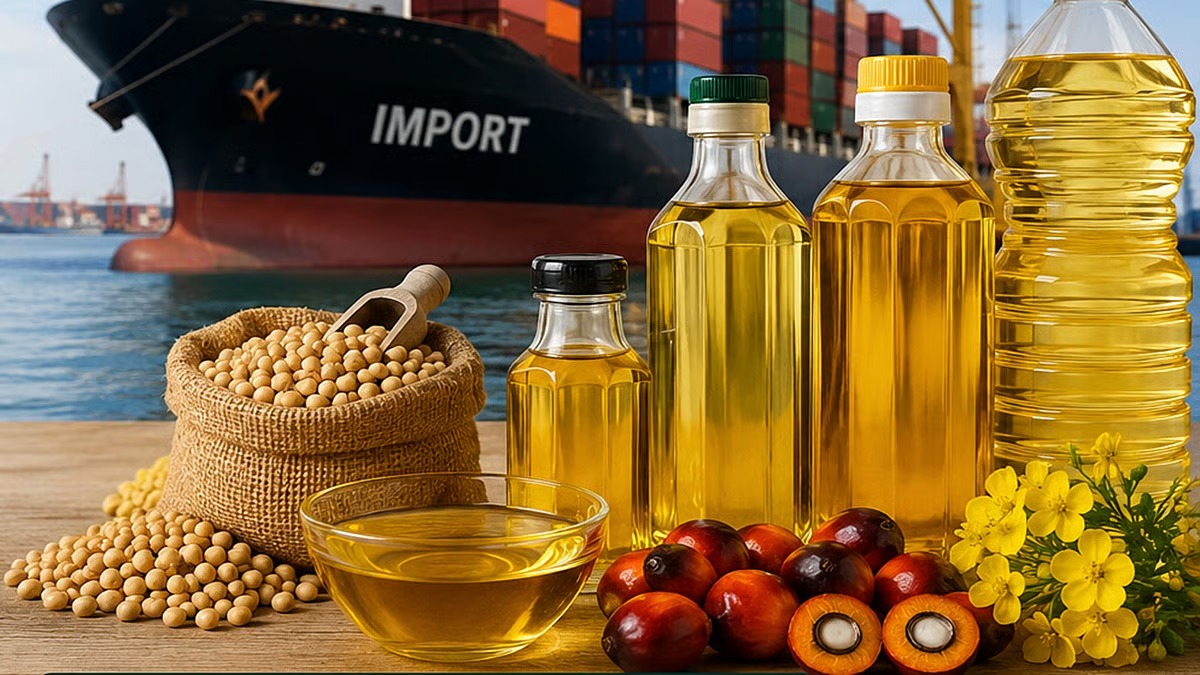
India's monthly edible oil imports are projected to average 1.5 million metric tons between July and October 2026, according to industry officials. Overseas shipments are expected to rise as domestic oilseed crushing slows down, increasing reliance on imported palm, soybean, and sunflower oils to meet domestic consumer demand.
MUMBAI, India — India’s monthly edible oil imports are forecast to average approximately 1.5 million metric tons between July and October 2026, industry officials and trade analyst sources confirmed to Reuters.
The projected rise in overseas purchases follows a seasonal slowdown in domestic oilseed crushing activity. As local crushed inventories taper off during the monsoon period, Indian refiners are increasing import commitments for palm oil, crude soybean oil, and sunflower oil to replenish domestic stocks and prepare for peak demand during the upcoming festival season.
Slowing Local Oilseed Crushing Drives Import Reliance
India, the world's largest importer of vegetable oils, meets more than 55% to 60% of its domestic cooking oil consumption through overseas purchases.
Trade representatives from the Solvent Extractors' Association of India (SEA) noted that crushing volumes for domestic mustard, soybean, and groundnut seeds typically hit seasonal lows during the mid-year monsoon months. With domestic oilseed arrivals slowing at local mandis, refiners are turning to international suppliers to prevent domestic supply deficits.
Global Market Impact and Sourcing Dynamics
Higher import requirements from India are expected to absorb excess vegetable oil inventories across major exporting nations, offering price support to international benchmark futures.
The increase in palm oil orders from Malaysia and Indonesia is anticipated to reduce palm oil stocks in Southeast Asia, while soybean oil and sunflower oil shipments from South America and the Black Sea region continue to balance domestic refining margins.
Official Sources Section
Trade volume projections, import figures, and industry estimates are regularly compiled and published by the Solvent Extractors' Association of India (SEA) and monitored by the Ministry of Consumer Affairs, Food and Public Distribution, with global trade flow reporting provided by Reuters.
Quote Section
"According to industry officials and trade estimates cited by Reuters, India's monthly edible oil imports are expected to average 1.5 million tons between July and October as local oilseed crushing slows down, requiring higher overseas shipments to maintain domestic stock levels ahead of peak festive demand."
Why It Matters
For Domestic Consumers: Ensures adequate supply and price stability for retail cooking oils during the upcoming high-demand festival season.
For Vegetable Oil Refiners: Clarifies import volume trends, helping processors manage refining margins and crude oil pipeline stocks.
For Global Commodity Markets: Supports international palm oil and soybean oil benchmark prices by establishing strong demand from the world's leading buyer.
Key Facts at a Glance
Monthly Import Forecast: 1.5 million metric tons on average from July through October 2026.
Core Drivers: Slowing domestic oilseed crushing and festival stock building.
Key Commodities: Palm oil, crude soybean oil, and sunflower oil.
Industry Body: Tracked by the Solvent Extractors' Association of India (SEA).
Frequently Asked Questions (FAQ)
Why are India's edible oil imports expected to increase between July and October?
Imports are set to rise due to a seasonal slowdown in domestic oilseed crushing activity and increased buying by refiners to build up stocks for the upcoming festive season.
Which countries supply edible oil to India?
India imports crude and refined palm oil primarily from Indonesia and Malaysia, crude soybean oil from Argentina and Brazil, and sunflower oil from Russia and Ukraine.
What percentage of its edible oil requirements does India import?
India imports between 55% and 60% of its total domestic edible oil requirement, making it the world's largest importer of vegetable oils.
Source: Industry disclosures reported by Reuters, market tracking reports from the Solvent Extractors' Association of India (SEA), and trade data archived by The Economic Times and Business Standard.