India's retail inflation rose to 4.45% year-on-year in July 2026, up from 4.38% in June, driven primarily by higher food prices. Data released by the Ministry of Statistics and Programme Implementation showed food inflation climbing to 5.52%. The headline figure came in slightly below the 4.50% Reuters poll consensus forecast.
NEW DELHI — India’s annual retail inflation accelerated to 4.45% year-on-year in July 2026, up from 4.38% in June, official government data released on Wednesday showed. According to the National Statistical Office (NSO) under the Ministry of Statistics and Programme Implementation (MoSPI), the rise was primarily driven by higher food prices, with consumer food inflation climbing to 5.52%. The overall consumer price index (CPI) reading came in slightly below the 4.50% forecast estimated by economists in a Reuters poll. The latest figures keep headline inflation above the Reserve Bank of India's (RBI) medium-term target of 4.00% for a second consecutive month, presenting ongoing challenges for monetary policy calibration.
Food Prices Drive Acceleration in Overall CPI
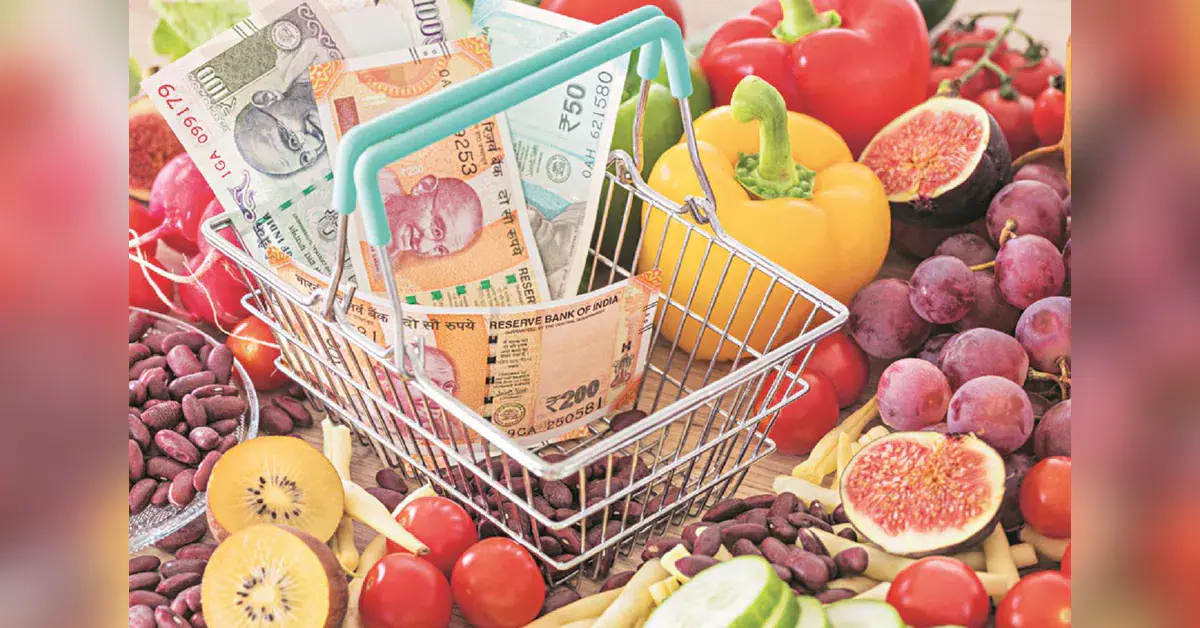
In its official statistical bulletin, the government highlighted that the Consumer Food Price Index (CFPI) advanced to 5.52% in July, compared to 5.32% recorded in June. Food items hold a significant weight of nearly 39% in the national consumer basket, making fluctuations in agricultural commodities a primary determinant of broad price stability.
Rural food inflation registered at 5.79% in July, while urban food inflation stood lower at 5.05%. Sharp price increases were observed across critical kitchen staples, notably onions, garlic, and ginger. Inflation in onions jumped to 22.54% from 4.73% in the preceding month, while garlic inflation expanded to 35.36%. Conversely, essential vegetables such as potatoes, tomatoes, and peas provided partial relief by remaining in deflationary territory.
Uneven monsoon distribution during the early weeks of July contributed to localized supply disruptions in key growing belts, though agricultural experts anticipate price pressure abatement as late-summer rainfall normalizes crop arrivals in regional wholesale markets.
Sectoral Trends Across Non-Food Categories
Beyond food items, non-food components within the CPI basket reflected mixed movements during the reporting period. Transport and communication inflation accelerated modestly to 4.43% in July from 4.31% in June, influenced by firm international crude oil prices and transportation logistics costs. Housing inflation across combined urban and rural sectors was recorded at 2.22%, while clothing and footwear registered a steady 3.38% growth rate.
In personal care and services, price growth remained elevated at 14.77%, pushed upward by increases in personal goods and precious metals. Meanwhile, essential social services maintained muted inflation trajectories, with health services standing at 1.34% and education services logging 3.64% year-on-year increases.
Impact on Consumers, Businesses, and Investors
The trajectory of India July inflation carries direct consequences for household budgets, corporate profit margins, and monetary policy expectations across domestic financial markets:
For Consumers and Households: Higher food inflation directly pressures monthly household expenditure, particularly in rural regions where food expenses constitute a higher proportion of overall income.
For Businesses and Manufacturers: Elevated input costs across agricultural raw materials and freight continue to squeeze operating margins, forcing companies to carefully balance price pass-through against consumer demand elasticity.
For Financial Markets and Investors: Because the 4.45% figure closely aligned with consensus forecasts, debt and equity markets experienced minimal immediate disruption. Bond yields reflected expectations that official interest rates will remain steady.
Official Sources Section
Data and statistics cited in this article are sourced directly from official statements and statistical releases issued by Indian government authorities:
National Statistical Office (NSO): Monthly Consumer Price Index release for July 2026.
Ministry of Statistics and Programme Implementation (MoSPI): Press releases on All-India CPI numbers (Base Year 2024=100).
Reserve Bank of India (RBI): Monetary policy framework documents, medium-term target mandates, and interest rate guidance.
Quote Section
According to official releases from the Ministry of Statistics and Programme Implementation, the statistical compilation adheres to standardized national sampling frameworks across urban and rural centers to monitor retail price evolution.
"The Consumer Price Index figures for July 2026 reflect provisional data gathered across designated rural and urban markets nationwide to offer accurate macroeconomic indicators for policy decisions," government statistical officials stated in the official release document.
Why It Matters
The latest figures for India July inflation confirm that while headline price growth has picked up slightly, it remains within the Reserve Bank of India’s overall tolerance band of 2% to 6%. However, with headline inflation remaining above the central bank’s explicit 4.00% target for two straight months, the RBI’s Monetary Policy Committee (MPC) is likely to maintain a cautious stance on benchmark interest rates.
The benchmark repo rate currently stands at 5.25% following the central bank's policy meeting earlier this month. Analysts note that because the India July inflation print came in slightly softer than market projections, policymakers are unlikely to consider rate hikes in the near term, provided monsoon coverage continues to support agricultural supply in the coming months.
Key Facts at a Glance
Headline Retail CPI: 4.45% in July 2026 versus 4.38% in June 2026.
Food Inflation (CFPI): Climbed to 5.52% from 5.32% in the previous month.
Market Forecast: Reuters poll expected headline inflation at 4.50%.
Central Bank Target: RBI target set at 4.00% (tolerance band of 2% to 6%).
Rural vs. Urban CPI: Rural inflation stood at 4.84%, while urban inflation reached 3.96%.
Frequently Asked Questions (FAQs)
What was the main cause of the rise in India July inflation?
The increase in India July inflation to 4.45% was primarily driven by higher food prices, particularly sharp cost increases in vegetables like onions, garlic, and ginger.
How did the actual inflation figure compare with analyst expectations?
The headline CPI print of 4.45% came in slightly below the 4.50% consensus estimate projected by economists in a Reuters poll.
What is the Reserve Bank of India's current inflation target?
The Reserve Bank of India has a primary medium-term CPI target of 4.00%, with a flexibility band of 2% to 6% on either side.
How does July's inflation reading impact interest rates?
Because India July inflation closely aligned with forecasts and remains within the central bank's broader 2–6% operational band, economists expect the RBI to keep benchmark interest rates unchanged in the near term.
Source: Ministry of Statistics and Programme Implementation (MoSPI), Press Information Bureau (PIB), and Reserve Bank of India (RBI).