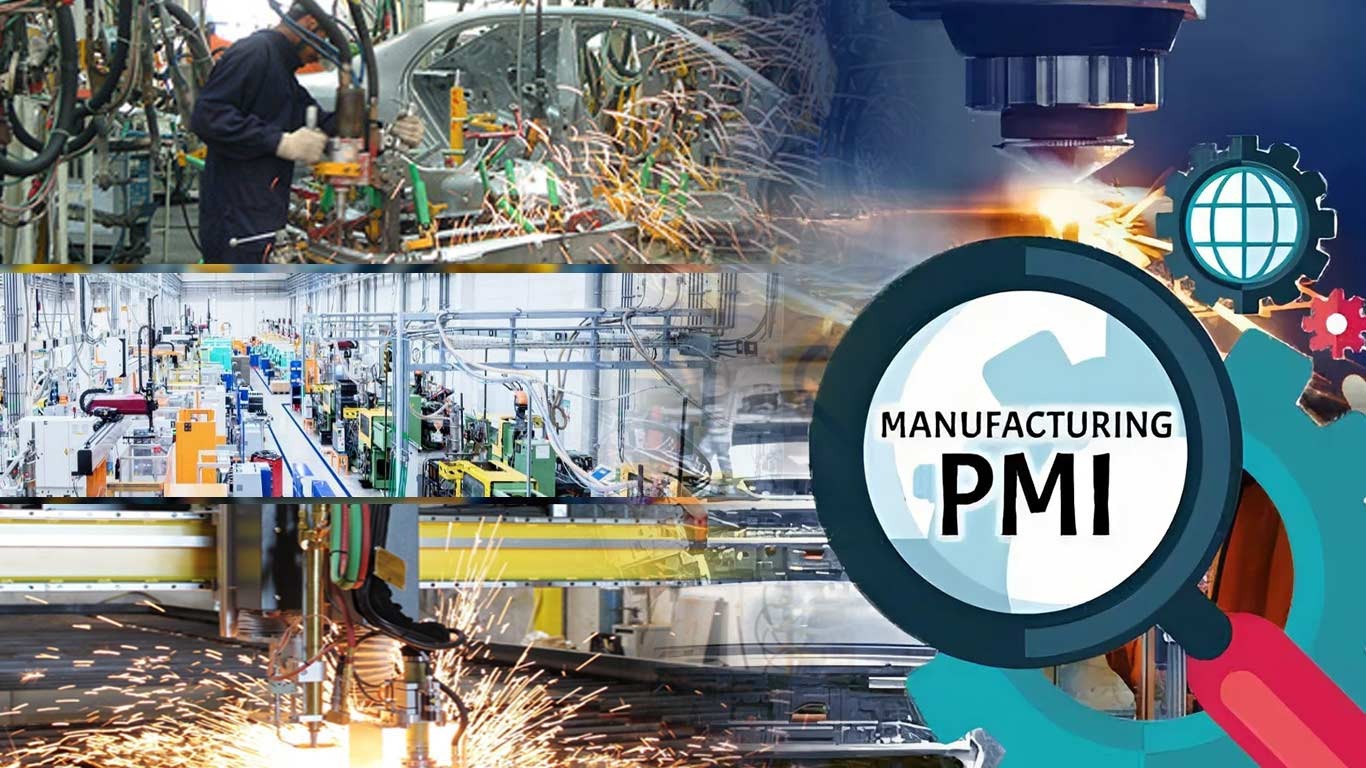
The final HSBC India Manufacturing PMI for June 2026 adjusted downward to 54.2, missing the initial consensus projection of 55.0. A structural slowdown in raw material stocking combined with softer international export demands pulled factory indicators to a three-month low, prompting slower job creation.
NEW DELHI, INDIA — India's manufacturing sector experienced a moderate deceleration in its expansion trajectory at the close of the first fiscal quarter. The final HSBC India Manufacturing Purchasing Managers’ Index (PMI), compiled by S&P Global, dropped to 54.2 for June 2026.
The finalized macroeconomic metric, released globally on Wednesday, July 1, 2026, slid below the initial flash projection of 54.5 and missed institutional consensus forecasts that pointed toward a steadier 55.0 threshold. While any print above the neutral 50.0 mark indicates growth rather than contraction, the sub-forecast print signals that private sector factory growth is experiencing soft patches. Corporate purchasing managers reported a distinct slowdown in raw material stocking alongside cautious hiring as international logistics pressures weigh on production schedules.
Inventory De-Stocking and Easing Demand Dampen Output
Detailed survey indicators compiled within the corporate index reveal that a drop in proactive inventory building acted as a primary drag on June’s performance. After consecutive months of aggressive precautionary stockpiling—triggered by ongoing maritime shipping tensions in the Middle East—factory managers slowed down fresh material procurement to realign with current delivery timelines.
The data shows that while aggregate new orders continued to expand, the rate of increase moderated to a three-month low. Domestic consumer demand remained relatively sound, but external demand indicators faced specific headwinds. Commercial export orders rose at their softest clip in nearly two years, heavily impacted by spending cuts from European automotive conglomerates and global components distributors managing high storage costs.
Job Creation Moderates Alongside Easing Input Price Pressures
The softer pace of incoming manufacturing workloads directly restricted institutional talent acquisition. Factory hiring expanded for the sixth consecutive month, but the final rate of job creation was the weakest recorded since December 2025. Corporate respondents noted that existing headcounts were largely sufficient to manage current backlogs, reducing the need for temporary or seasonal shifts.
On the pricing front, the economic update brought mixed news for industrial margins:
Input Cost Costs: Raw material inflation rose, driven by energy and logistics costs, but the pace of increase eased to its lowest level since January.
Output Selling Charges: Factory gate prices rose at their slowest pace in six months, reflecting cautious corporate pricing as competition intensifies.
This tightening gap indicates that while manufacturers are getting some relief on raw material costs, intense sector competition is limiting their ability to pass residual costs down to final consumers.
Official Sources Section
The underlying manufacturing data, index calculations, and macroeconomic summaries presented throughout this report were verified through official press releases issued jointly by HSBC Bank and S&P Global Market Intelligence. Complete industrial histories, survey methodologies, and historical charting tables are managed under copyright protocols accessible via the S&P Global PMI Portal and the tracking services of the National Stock Exchange of India (NSE).
Quote Section
"Private sector activity eased a bit in June," stated Pranjul Bhandari, Chief India Economist at HSBC. "Growth of manufacturing output softened a tad as inventory-building lost steam after a few hectic months. New export orders remained resilient and the order-to-inventory ratio ticked up, pointing at resilient manufacturing activity down the line."
Why It Matters
For citizens and domestic consumers, the drop in output charge inflation indicates that retail prices for home appliances, packaged items, and hardware materials should remain stable over the summer. For institutional investors tracking Indian equities, the drop to 54.2 suggests that the Reserve Bank of India (RBI) might have more room to adopt an accommodative policy stance later this autumn if industrial growth metrics continue to soften. For manufacturing firms, the index shows that the focus must shift from rapid expansion toward cost management and factory efficiency to maintain profitability amidst competitive pricing environments.
Key Facts at a Glance
Final Reading: June manufacturing PMI settled at 54.2, falling below the preliminary flash projection of 54.5.
Expansion Status: Marks a continuous expansion for the sector, as the index remained comfortably above the critical 50.0 neutral line.
Procurement Shift: Slower growth was driven by a drop in factory inventory accumulation following months of rapid stockpiling.
Employment Trend: Staffing numbers increased, but the pace of job creation dropped to a six-month low.
Inflation Softening: Both input material prices and factory gate charges expanded at their slowest rates since January.
Frequently Asked Questions
What does the June manufacturing PMI reading of 54.2 indicate?
A reading of 54.2 shows that India’s manufacturing sector continues to expand, though the pace of growth has moderated to its lowest level in three months, falling short of analyst expectations.
Why did Indian factory output indicators slow down in June 2026?
The moderation was primarily driven by a slowdown in inventory building, intense market competition, and softer export orders from key European industrial partners.
How are industrial pricing dynamics affecting corporate manufacturers?
Input cost inflation slowed down to a five-month low, but because factory gate charges also grew at their slowest pace in six months, corporate profit margins face tight constraints.
Source: S&P Global Market Intelligence PMI Database, HSBC India Economic Research Communications.