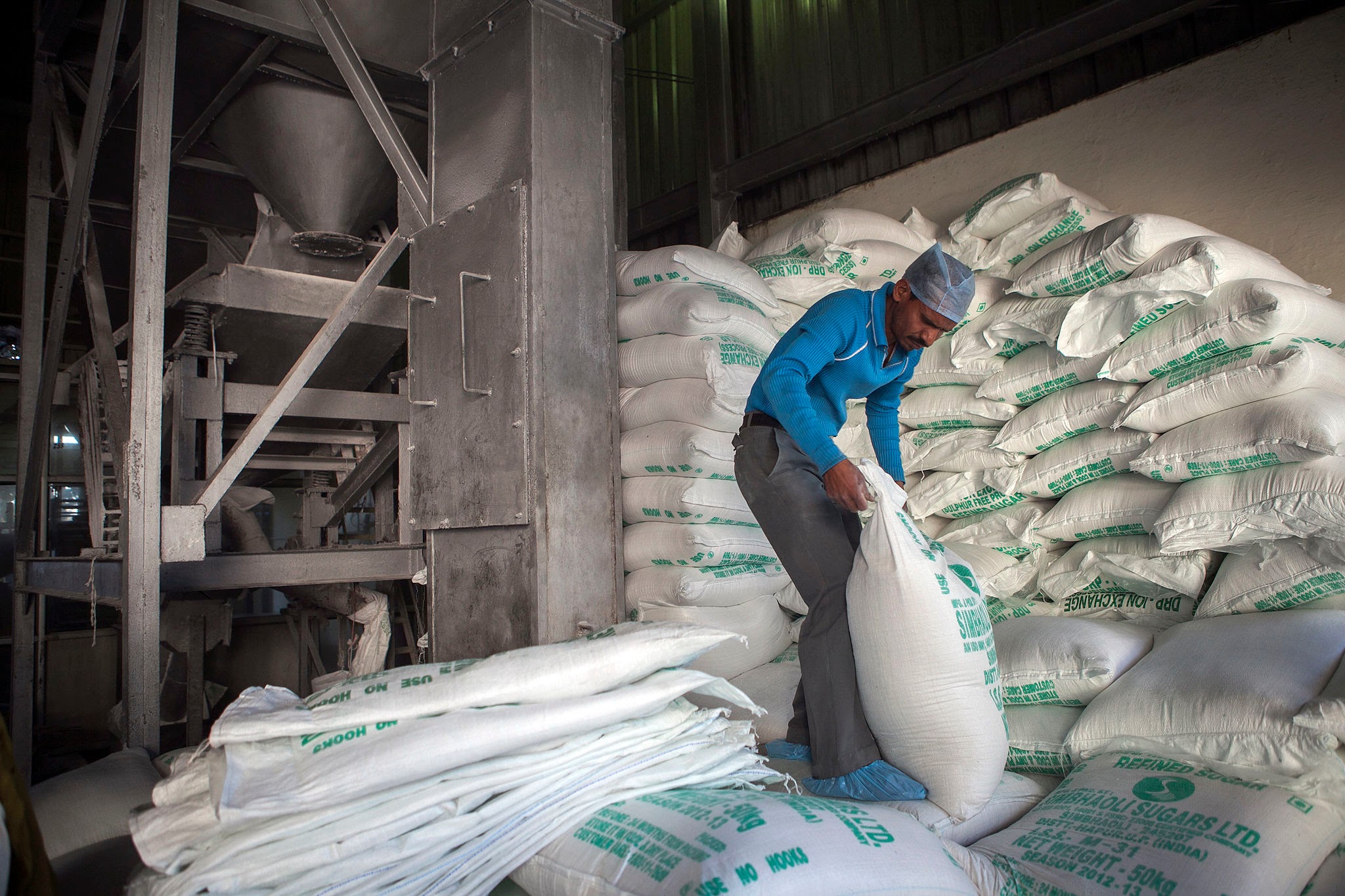
The Indian government has made it mandatory for all sugar dealers, wholesalers, retailers, and processors to declare and regularly update their stock positions on a dedicated portal starting August 1, 2026. Issued by the Ministry of Consumer Affairs, the directive aims to prevent hoarding and stabilize domestic sugar prices.
NEW DELHI — The Ministry of Consumer Affairs, Food and Public Distribution announced on Tuesday, July 28, 2026, that all sugar dealers, wholesalers, retailers, big-chain retailers, and sugar processors across India must mandatorily declare and regularly update their stock positions starting August 1, 2026. Issued through an official gazette notification, the mandate requires market entities to submit weekly inventory disclosures on the government's dedicated online portal. The regulatory intervention aims to enhance market transparency, deter speculative hoarding, and ensure stable domestic sugar availability ahead of the upcoming peak festival season.
Digital Portal Integration and Disclosure Directives
Under the new directive issued by the Department of Food and Public Distribution, every commercial entity engaged in sugar trading must register on the government's designated portal ([https://esugar.nic.in](https://esugar.nic.in)) prior to the August 1 deadline.
Entities subject to the mandatory reporting order include:
Wholesalers & Stockists: Bulk traders holding inventories across state and inter-state distribution hubs.
Retailers & Large Chains: Individual retail shops, superstores, and organized retail chains maintaining distribution warehouses.
Sugar Processors & Refiners: Industrial units converting raw sugar into refined commercial grades.
Bulk Consumers: Food processing plants, beverage manufacturers, and confectionery units maintaining private sugar reserves.
The notification specifies that stock declarations must be updated every Monday before 5:00 PM IST. Non-compliance, false reporting, or failure to register by the effective date will invite penal action under the Essential Commodities Act, 1955.
Supply Dynamics and Anti-Hoarding Strategy
Government officials noted that the mandatory disclosure rule serves as a preventive measure against artificial supply crunches. While national sugar reserves remain adequate for domestic consumption, seasonal demand surges sharply between August and November due to major festivals across India.
By establishing real-time visibility over regional inventories, state governments and district enforcement authorities can track stock movements and identify abnormal hoarding patterns. The system enables the central government to execute targeted market interventions, such as imposing stock limits or adjusting monthly mill sales quotas, if localized price spikes occur.
Economic Impact on Traders, Industry, and Consumers
The government's tracking mechanism carries distinct practical implications for participants across the agricultural supply chain:
For Wholesale & Retail Businesses: Traders must update operational compliance protocols, establishing weekly inventory audits to report accurate tonnage data across all storage facilities.
For Industrial Consumers: Beverage and confectionery manufacturers will face closer scrutiny regarding private raw material stockpiles, preventing excess accumulation ahead of festive production cycles.
For Household Consumers: Improved supply monitoring helps stabilize retail prices, protecting households from sudden price spikes during high-demand festival months.
Official Sources Section
According to official notifications, executive orders, and government releases:
Quote Section
According to government advisories and official notifications:
"According to officials, it shall be mandatory for all sugar dealers, traders, wholesalers, retailers, and processors to declare and regularly update their stock position on the online portal every week starting August 1, 2026, to ensure smooth distribution and price stability across domestic markets."
Why It Matters
Implementing mandatory stock declarations provides regulatory authorities with complete visibility into domestic sugar holdings from sugar mills down to retail shelves. By curbing speculative hoarding and ensuring transparent market flows, the mandate helps stabilize retail prices for millions of household consumers and industrial users, safeguarding the domestic food economy during periods of peak seasonal consumption.
Key Facts at a Glance
Mandate Effective Date: Mandatory stock declarations take effect across India starting August 1, 2026.
Reporting Frequency: Traders, wholesalers, and processors must update stock figures weekly on the official portal.
Regulated Entities: Covers sugar dealers, wholesalers, retailers, big-chain retailers, refiners, and bulk industrial consumers.
Enforcement Framework: Non-compliance will face legal penalties under the Essential Commodities Act, 1955.
Frequently Asked Questions (FAQ)
When does the mandatory sugar stock declaration order take effect in India?
The official government notification makes sugar stock declarations mandatory for all registered dealers and processors starting August 1, 2026.
Who is required to declare their sugar stocks under the new rule?
The order applies to sugar dealers, wholesalers, retailers, large retail chains, sugar refiners, and industrial bulk consumers maintaining inventory.
How often must sugar stock declarations be updated?
Entities must update their exact stock inventory figures weekly every Monday on the designated online portal.
What are the consequences of failing to declare sugar stocks?
Failing to register or submitting inaccurate stock disclosures invites legal penalties under the Essential Commodities Act, 1955.
Source: Department of Food and Public Distribution, Press Information Bureau (PIB), Ministry of Consumer Affairs