India’s state-run fuel retailers posted a 747.81 billion rupee loss for the June quarter due to frozen retail prices. In response, Oil Minister Hardeep Singh Puri announced plans to expand domestic fuel storage capacity, while India and Japan finalized a strategic stockpiling agreement to bolster regional energy security.
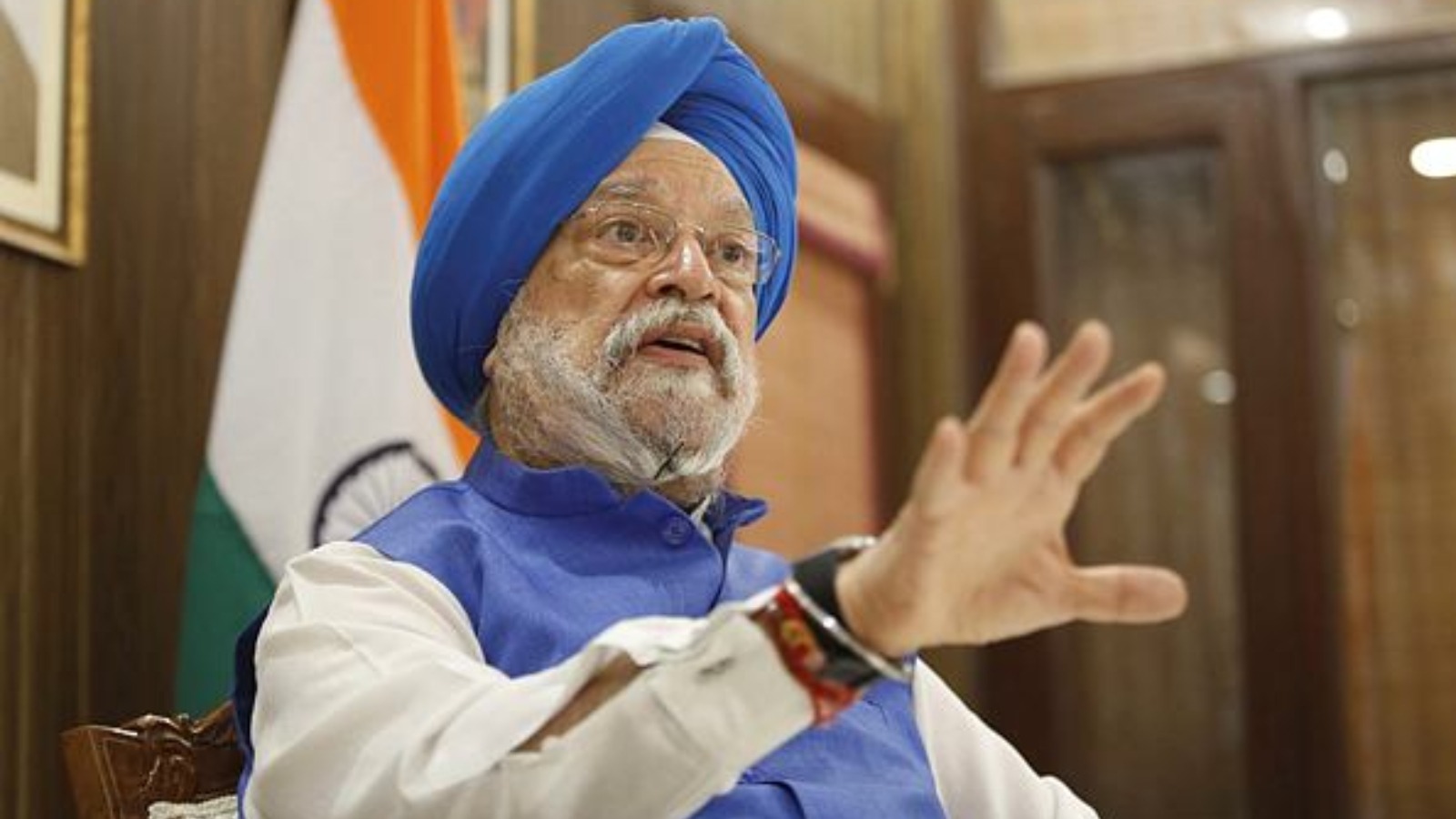
NEW DELHI — India needs to significantly increase its domestic oil and fuel storage capacity while intensifying commercial outreach to foreign energy entities, Union Minister for Petroleum and Natural Gas Hardeep Singh Puri announced on Thursday. The declaration comes as India's state-run fuel retailers booked a cumulative under-recovery loss of 747.81 billion Indian rupees ($8.95 billion) during the June quarter due to frozen retail prices amid global energy disruptions. Concurrently, New Delhi finalized a major bilateral roadmap with Tokyo to establish joint strategic stockpiling and crude oil reserve mechanisms to shield the region from volatile market shocks.
State Retailers Absorb Sharp Deficits
According to data released by the Ministry of Petroleum and Natural Gas, state-controlled oil marketing companies (OMCs) recorded a total under-recovery of 747.81 billion rupees on the retail sale of diesel, petrol, and liquefied petroleum gas (LPG) during the quarter ending June 30, 2026. The substantial losses occurred as the central government maintained strict retail price stability to protect domestic consumers and curb inflation during recent West Asian supply chain bottlenecks.
The combined under-recovery on essential fuels highlights the growing financial burden on public sector enterprises, which have absorbed commercial deficits to insulate local industries. Industry analysts note that while the policy has successfully maintained price predictability for citizens, a prolonged price freeze threatens the capital expenditure budgets of domestic refining majors.
Storage Expansion and the Japan Strategic Pact
Addressing an energy industry forum on July 2, Minister Puri emphasized that India must take advantage of current market windows to scale its strategic and commercial inventory footprint.
"The sum total of crude stocks at our ports, terminals, commercial refineries, and in our strategic petroleum reserves is currently enough to last between 76 to 80 days of national consumption," Puri stated. "However, to guarantee long-term economic resilience, India needs to increase its oil and fuel storage capacity further and deepen active outreach to bilateral partners."
As part of this expanded energy defense strategy, Indian Foreign Secretary Vikram Misri confirmed that India and Japan have formally agreed to cooperate on strategic stockpiling and emergency reserve mechanisms for crude oil and petroleum products. The bilateral roadmap, signed during high-level diplomatic talks in New Delhi, aims to create cross-border supply buffers, mutual fuel swaps, and technological alignment for subterranean reserves to maintain maritime energy stability across the Indo-Pacific.
Clarification on Russian Energy Trade
Responding to parliamentary inquiries and global trade tracking data, the Petroleum Minister addressed reports regarding the movement of refined petroleum products. Minister Puri clarified that while Indian state and private entities are strictly adhering to international regulatory frameworks, third-party intermediary networks operate independently in the open market.
"Indian companies are not selling fuels to Russia," Minister Puri stated definitively. He noted, however, that because refined petroleum commodities are fungible and frequently blended, "it is possible that Indian-origin refined fuel is being sold to Russia via independent international traders" who purchase the products on the open sea or at regional hubs.
The Minister added that to secure steady upstream access, India is actively willing to consider buying equity stakes in foreign oil and gas producing fields or corporate energy entities looking for stable institutional capital.
Official Statements Section
The Ministry of Petroleum and Natural Gas stated in its regulatory brief:
"The government continues to prioritize domestic macro-stability. Over the past quarter, regulatory protocols succeeded in shielding retail consumers from sharp spikes in international benchmarks. Our strategic focus now transitions toward expanding infrastructural buffers to ensure multi-month supply continuity."
Why It Matters
For consumers and motorists, the government-backed absorption of fuel losses means retail fuel prices will remain insulated from extreme international market spikes. For investors and businesses, the expansion of state storage capacity and the landmark stockpiling alliance with Japan reduces the long-term sovereign risk of energy rationing. However, the multi-billion dollar losses reported by state-run oil marketing companies may put downward pressure on public sector energy stocks in the near term.
Key Facts at a Glance
Financial Loss: State fuel retailers booked a 747.81 billion rupee ($8.95 billion) loss in the June quarter due to frozen retail price caps.
National Inventory: Total combined reserves across refineries, ports, and strategic caves sit at 76 to 80 days of supply.
Global Alliance: India and Japan have signed a formal roadmap to cooperate on strategic crude and petroleum stockpiling mechanisms.
Foreign Investment: New Delhi has expressed open willingness to purchase equity stakes in foreign oil and gas production fields.
FAQ Section
Q: Why did Indian state fuel retailers lose 747.81 billion rupees?
A: The under-recovery loss occurred because international crude oil acquisition costs rose significantly due to global supply chain pressures, while state retailers kept domestic pump prices for petrol, diesel, and cooking gas frozen to protect consumers from inflation.
Q: How many days of fuel reserves does India currently hold?
A: India's current combined oil and fuel reserves across strategic petroleum reserves, commercial refinery inventories, ports, and transit terminals provide approximately 76 to 80 days of domestic consumption coverage.
Q: Is India exporting refined fuel back to Russia?
A: Official ministerial statements confirm that Indian energy companies do not sell fuel directly to Russia. However, once refined petroleum products enter international waters through independent commodity traders, Indian-origin fuel may end up redirected to Russian entities via secondary trading markets.
Source: Ministry of Petroleum and Natural Gas, Ministry of External Affairs India, Reuters Energy Desk.