India's food safety regulator, FSSAI, has rejected a joint lobbying push from major beverage firms, including PepsiCo, Red Bull, Monster, and Reliance. Authorities directed companies to drop the "energy drink" descriptor and unapproved functional health claims from high-caffeine beverage packaging, enforcing strict compliance under national food safety laws.
NEW DELHI, India — India's apex food safety regulatory body has formally rejected lobbying efforts from major multinational and domestic beverage manufacturers seeking permission to use the "energy drink" descriptor on high-caffeine beverages. In private communications and official compliance notices issued in New Delhi, the Food Safety and Standards Authority of India (FSSAI) directed beverage giants—including PepsiCo India, Red Bull, Monster Energy, and Reliance Consumer Products—to drop the energy drink label from their products and e-commerce product pages.
The regulatory mandate marks a significant enforcement push against misbranding and unverified functional health claims across India's fast-growing non-alcoholic beverage sector. Authorities emphasized that high-caffeine caffeinated beverages sold in the country must conform strictly to prescribed statutory safety standards rather than using unauthorized marketing descriptors that imply physical or mental performance enhancement.
Regulatory Rejection of Industry Lobbying Efforts
According to official regulatory communications and industry sources, several leading beverage companies had petitioned government bodies to allow the standardized use of an energy drink label on products containing elevated caffeine concentrations. Industry representatives argued that the category is globally recognized across international jurisdictions and provides clear consumer classification.
However, the FSSAI explicitly rejected these lobbying representations, clarifying that Indian food safety laws do not recognize "energy drink" as an officially codified or approved product category. The regulator instructed food business operators that internal categorization under the Food Safety and Standards (Food Products Standards and Food Additives) Regulations, 2011, exists solely for administrative classification and cannot be repurposed as a commercial product title or front-of-pack descriptor.
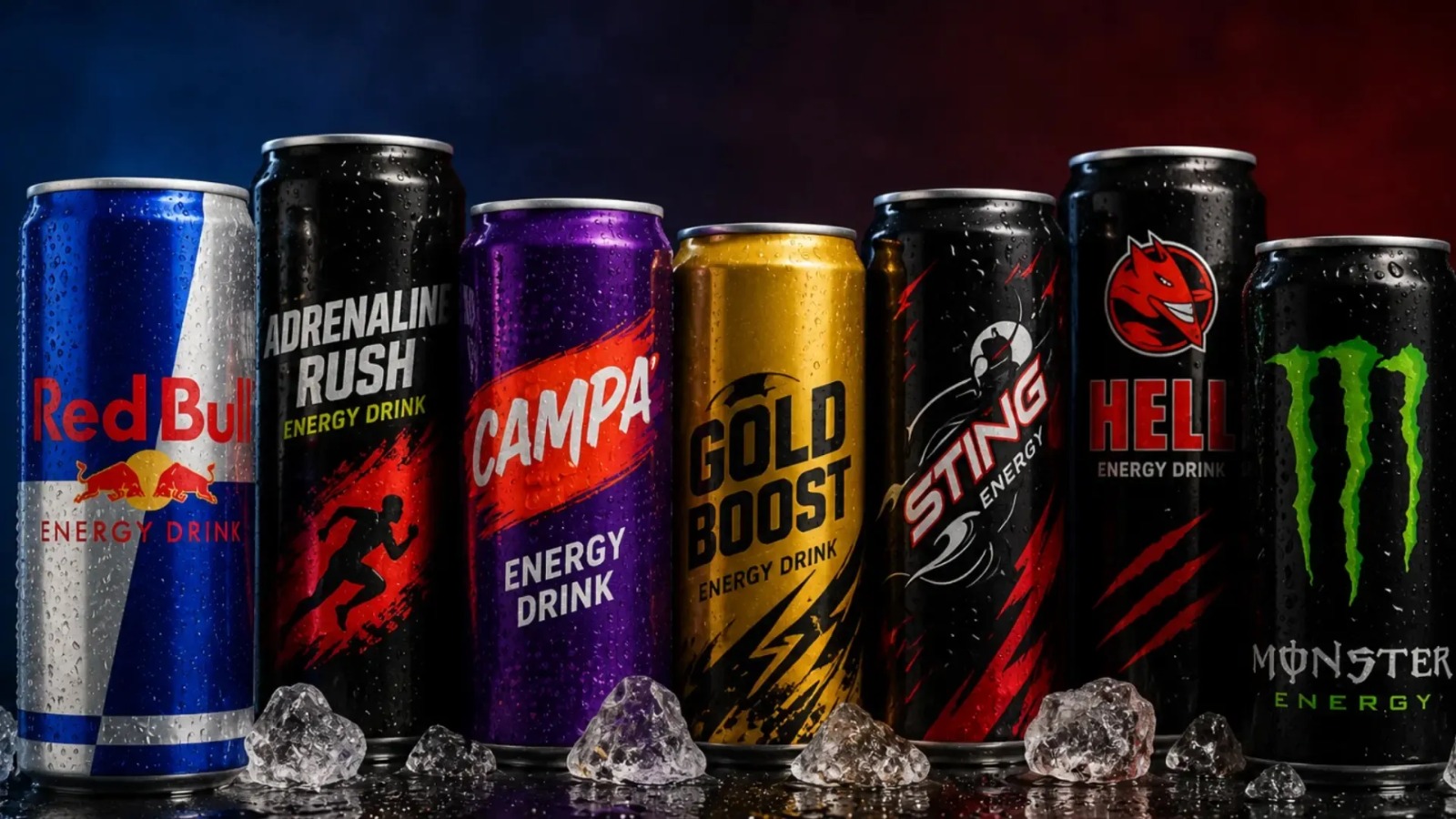
Following the rejection, the regulator issued formal compliance notices targeting prominent brands, including Red Bull Energy Drink, PepsiCo’s Sting and Adrenaline Rush, Reliance Consumer Products’ Campa Energy Gold Boost, Monster Energy, and Hell Energy. The companies have been instructed to align their physical product packaging and digital listing descriptions with existing statutory framework guidelines.
Directives Against Functional and Therapeutic Claims
Beyond enforcing the removal of the energy drink label, the food regulator raised strong objections to promotional slogans and functional marketing statements printed on high-caffeine beverage containers. Official notices highlighted that phrases promising to "vitalize body and mind," "enhance focus," "boost energy levels," or "aid in general weakness" violate core provisions of the Food Safety and Standards Act, 2006.
Under Indian food regulations, therapeutic or health-restorative claims are strictly prohibited for general food and beverage products unless backed by rigorous, pre-approved scientific consensus and formal statutory authorization. Regulators noted that marketing high-caffeine carbonated drinks with claims of mental alertness or physical stamina restoration risks misleading everyday consumers, particularly young demographic groups.
Beverage companies operating in India must now audit their marketing assets, product labels, and digital campaign collateral to ensure all unapproved health claims are removed.
Market Context and Impact on Beverage Manufacturers
India's market for caffeinated soft drinks has experienced double-digit annual growth in recent years, driven by aggressive pricing strategies, expanding distribution channels in tier-2 and tier-3 cities, and localized product variants. The lower-priced caffeinated beverage segment, pioneered by mass-market options like PepsiCo's Sting and Reliance's Campa Energy, has democratized access to caffeinated carbonated drinks across urban and rural markets alike.
For global beverage corporations and Indian consumer product conglomerates, replacing the energy drink label across millions of retail packages involves substantial logistical adjustments. Manufacturers must modify print cylinders, update digital retail listings on quick-commerce platforms, and re-label existing inventory to avoid product recalls or legal penalties under misbranding statutes.
Industry analysts suggest that while the regulatory restriction will require repackaging expenditure, product formulations containing permitted levels of caffeine and taurine remain unaffected, provided they are correctly labeled as "caffeinated beverages" in compliance with Indian law.
Official Sources
According to official regulatory releases, social media statements, and industry notifications issued by public authorities:
The Food Safety and Standards Authority of India (FSSAI) issued compliance notices to six major beverage brands regarding misbranding and unauthorized labeling.
Regulations governed under the Food Safety and Standards Act, 2006, prohibit therapeutic and functional energy claims on general consumer beverages without statutory authorization.
Official directives mandate that the Food Category System under FSSAI regulations cannot be used as an energy drink label or commercial brand descriptor on product packaging.
Executive and Official Statements
According to officials familiar with the enforcement proceedings, the regulatory authority's position remains firm regarding strict adherence to published labeling laws.
"Functional or therapeutic claims, including but not limited to 'vitalizes body and mind', 'enhancing focus', 'boost energy levels', or 'aid in general weakness', are not permissible for food products under the FSS Act 2006 and the rules framed thereunder," stated FSSAI representatives in official public communications detailing the regulatory action.
Why It Matters
The regulatory stance establishes a clear operational boundary between commercial beverage marketing and standardized food safety claims in India. For consumers, the removal of the energy drink label and associated health promises prevents confusion between standard caffeinated soft drinks and specialized dietary supplements. For beverage manufacturers and institutional investors, the enforcement highlights the imperative of aligning localized branding strategies with strict statutory compliance standards in one of the world's fastest-growing consumer markets.
Key Facts at a Glance
Regulatory Authority: Food Safety and Standards Authority of India (FSSAI).
Affected Companies: PepsiCo India, Red Bull, Monster Energy, Reliance Consumer Products, and Hell Energy.
Core Ruling: Rejection of industry push to use "energy drink" as a front-of-pack descriptor.
Prohibited Claims: Slogans alleging physical revitalization, mental focus, or general weakness relief.
Compliance Requirement: Re-labeling products to meet official caffeinated beverage standards.
Frequently Asked Questions
Why is the Indian government prohibiting the use of energy drink labels?
Indian food regulations under the FSSAI do not recognize "energy drink" as an official standardized food category. The regulator determined that using the term on commercial packaging creates misleading expectations regarding functional health benefits.
Which beverage brands are affected by the FSSAI directive?
Notices have been issued to major manufacturers including Red Bull, PepsiCo India (Sting, Adrenaline Rush), Reliance Consumer Products (Campa Energy Gold Boost), Monster Energy, and Hell Energy.
Are high-caffeine beverages being banned in India?
No. The regulatory order does not ban the sale or manufacture of caffeinated beverages. It strictly regulates packaging descriptors, mandating the removal of unauthorized claims and improper category names.
What alternative labeling must beverage manufacturers use?
Beverage makers are required to align their product packaging with official standards for caffeinated beverages, accurately listing ingredients and caffeine content without making therapeutic energy claims.
Source: Food Safety and Standards Authority of India, Ministry of Health and Family Welfare