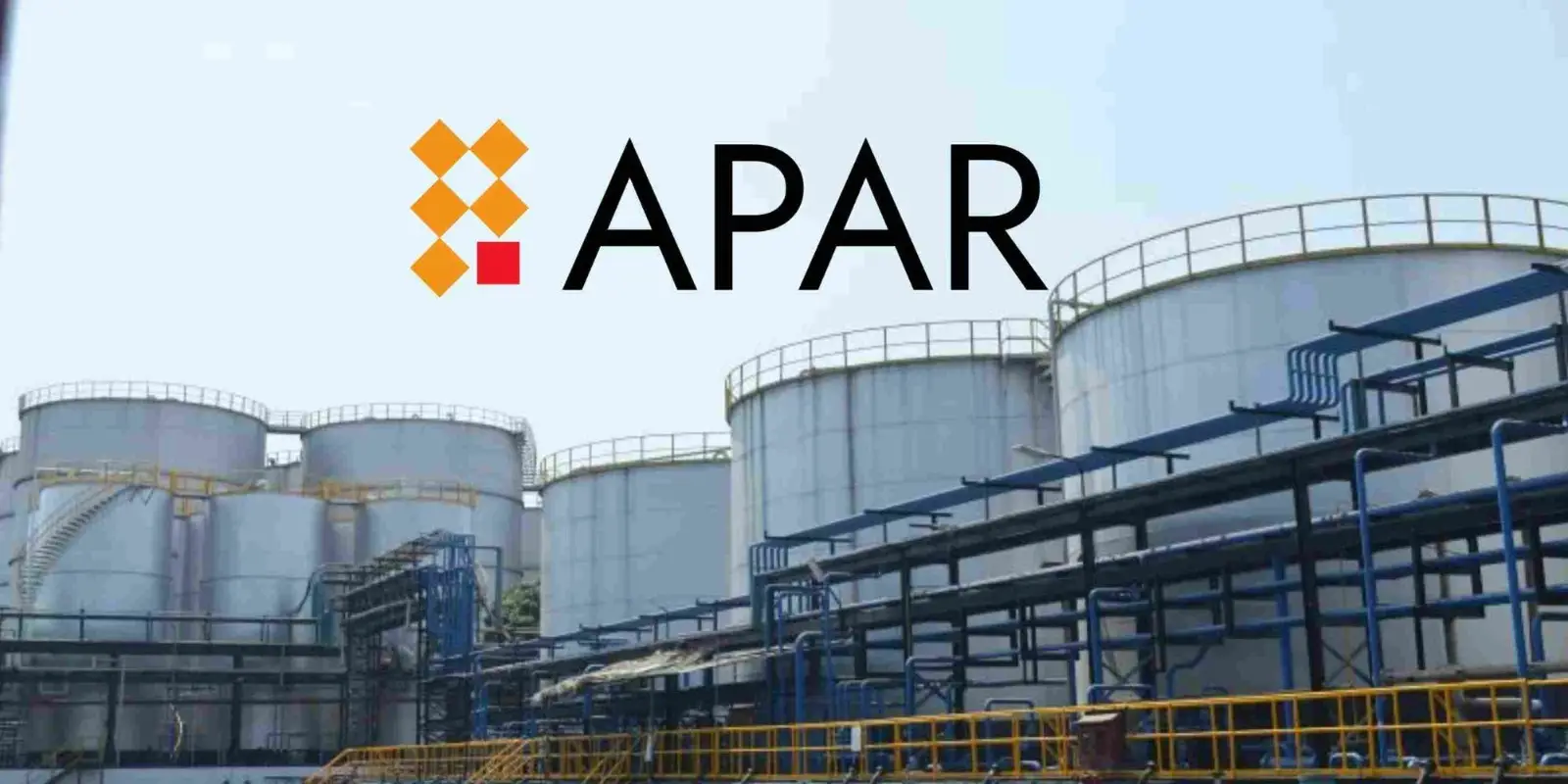
India has restricted suspension-grade PVC resin imports priced above $0.766/kg for six months. Announced by national trade authorities, the measure curbs high-cost inbound shipments, stabilizes domestic market pricing, and protects local manufacturers and infrastructure supply chains from severe price volatility.
NEW DELHI — In a decisive trade measure aimed at stabilizing the domestic petrochemical market, the Government of India has officially restricted the import of suspension-grade polyvinyl chloride (PVC) resin with a delivered price exceeding $0.766 per kilogram for a duration of six months. The restriction, announced by national trade and commerce authorities, targets premium-priced import channels of suspension-grade PVC resin—a critical raw material extensively utilized in manufacturing pipes, fittings, and various construction materials. This regulatory adjustment comes as local authorities continue to closely monitor inbound shipments, safeguard domestic production capabilities, and protect the broader manufacturing ecosystem from volatile price fluctuations.
Regulatory Framework and Market Scope
The newly enacted import restriction specifically targets suspension-grade PVC resin shipments carrying a landed or delivered price threshold of more than $0.766/kg. According to official announcements from regulatory bodies, the measure is designed to curb distortions in the local pricing architecture caused by high-cost inbound shipments.
The policy framework coordinates closely with ongoing supervisory mechanisms managed by the Ministry of Commerce and Industry and the Directorate General of Trade Remedies (DGTR), which regularly review trade vectors affecting domestic polymers. By drawing a clear line at the $0.766/kg valuation mark, the six-month directive focuses strictly on specific pricing tiers of suspension-grade polymer products without enacting a blanket prohibition across all international resin grades.
Background and Context
India's domestic polymer landscape has experienced intensive supply-demand shifts over recent fiscal cycles, driven heavily by expanding infrastructure projects, urban development, and agricultural irrigation investments. Suspension-grade PVC resin forms the fundamental building block for infrastructure utilities, making raw material availability and cost predictability a priority for state planners.
Over past reporting periods, regulatory agencies including the Ministry of Finance have evaluated multiple safeguard protocols, anti-dumping measures, and quality standards—such as Bureau of Indian Standards (BIS) mandates—to maintain market equilibrium. This latest six-month restriction on specific high-priced suspension-grade PVC resin builds upon those historical market-correcting interventions, providing a temporary yet robust safeguard for domestic processors and local chemical enterprises.
Impact on Industry Stakeholders
The six-month restriction carries direct operational and financial implications across multiple economic sectors:
Domestic Manufacturers: Local producers of suspension-grade PVC resin stand to benefit from a more regulated pricing environment, which shields domestic production lines from sudden external cost variances.
Downstream Industries: Medium and small-scale enterprises dependent on PVC compound inputs must realign their procurement strategies to comply with the $0.766/kg ceiling over the next six months.
Importers and Traders: International procurement desks dealing in high-tier suspension polymers face immediate compliance checks, requiring careful evaluation of delivered pricing metrics prior to dispatching shipments toward Indian ports.
Infrastructure and Construction: Because PVC pipe manufacturing relies heavily on stable resin pricing, the policy aims to indirectly buffer large-scale public and private construction pipelines from unexpected cost inflation.
Official Sources and Statements
Government oversight and regulatory compliance are being enforced through coordinated administrative channels.
"According to official announcements from trade and revenue departments, the temporary restriction is implemented to maintain orderly market conditions and ensure fair competition within the domestic polymer sector."
Administrators have emphasized that monitoring cells will track import declarations continuously throughout the six-month implementation window to measure compliance and evaluate the policy's overall efficacy on market stabilization.
Why It Matters
For industrial consumers, procurement managers, and market analysts, this regulatory directive introduces a firm pricing boundary for foreign-sourced suspension-grade PVC resin. By capping the entry of shipments priced above $0.766/kg for six months, the policy prevents high-cost outliers from skewing domestic price benchmarks. This grants local manufacturers breathing room to adjust output while offering downstream construction and agricultural supply chains vital cost predictability during a period of sustained infrastructure growth.
Key Facts at a Glance
Target Product: Suspension-grade polyvinyl chloride (PVC) resin.
Price Threshold: Delivered price exceeding $0.766 per kilogram.
Duration: Imposed for a fixed period of six months.
Primary Objective: To stabilize domestic market pricing, regulate high-cost imports, and protect local manufacturing consistency.
Frequently Asked Questions (FAQ)
What specific material is affected by this restriction?
The restriction applies strictly to suspension-grade PVC resin (s-PVC), which is widely used in producing plastic pipes, wire insulation, and construction profiles.
What is the exact price threshold triggering the restriction?
Imports of suspension-grade PVC resin with a delivered price higher than $0.766 per kilogram are restricted under the new directive.
How long will these import restrictions remain in place?
The current regulatory measure has been enacted for a duration of six months, subject to subsequent government review.
Which sectors are most impacted by the policy?
Downstream processing units, pipe manufacturers, polymer traders, and industrial importers dealing in high-tier foreign resin variants are directly affected.
Source: Ministry of Commerce and Industry, Directorate General of Trade Remedies (DGTR), and Ministry of Finance.