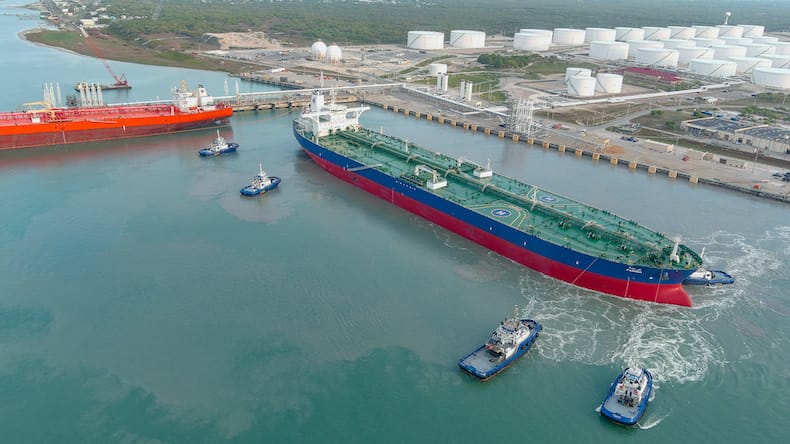
India will officially roll back auto fuel curbs on commercial buyers starting July 1, 2026, ending the 200-liter daily diesel limit per vehicle. The decision follows a stabilization of energy supplies after shipping disruptions in the Strait of Hormuz eased, allowing domestic fuel distribution networks to return to normal.
NEW DELHI — The Government of India announced on Monday, June 29, 2026, that it will officially lift all emergency regulatory restrictions on the retail sale of auto fuels starting July 1, 2026. The decision to roll back auto fuel curbs comes as the maritime supply crisis in the Strait of Hormuz begins to ease, restoring normal flow to global energy markets. This development provides major relief to industrial users and commercial transport sectors across the country, who had faced strict buying limits designed to shield domestic consumer networks from geopolitical shocks.
Dismantling Emergency Regulations on Petrol and Diesel
According to a formal directive issued by the Ministry of Petroleum and Natural Gas on June 29, 2026, state-run oil marketing companies are authorized to resume unrestricted retail fuel distribution to all commercial and industrial entities starting Wednesday. The transition completely scraps the emergency regulatory measures implemented on June 12, 2026, which had banned large-scale bulk buyers from using retail petrol pumps and capped individual retail diesel sales at 200 liters per vehicle per day.
The June 12 restrictions were originally introduced after a maritime blockade of the Strait of Hormuz—a vital global energy chokepoint—caused extreme volatility in international crude oil prices. To protect ordinary citizens from severe inflation, the central government kept retail fuel prices steady. However, this led to an unusual price gap where industrial bulk diesel was priced nearly ₹40 per liter higher than retail pump rates.
As a result, trucking fleets and manufacturing corporations began buying fuel from standard retail stations instead of their designated bulk distribution points, causing hoarding, localized fuel station shortages, and supply stress across state-run fuel networks.
Relief for State Refiners and Commercial Transport Logistics
The formal order to roll back auto fuel curbs brings much-needed operational balance to India’s dominant state-run fuel retailers: Indian Oil Corporation (IOC), Bharat Petroleum Corporation Limited (BPCL), and Hindustan Petroleum Corporation Limited (HPCL). These three public firms collectively control roughly 90% of the country’s 100,000 retail fuel outlets.
During the peak of the Hormuz disruption, private fuel companies raised their retail prices to match volatile international rates, causing their sales to drop significantly. This forced nearly all consumer demand onto public stations, which were absorbing massive financial losses to keep retail prices artificially low.
The rollback follows an administrative update on June 25, 2026, which eased supply limits on 19kg commercial liquefied petroleum gas (LPG) cylinders and allowed industrial consumers to access 50% of their pre-crisis bulk LPG volume.
Broader Economic Impact on Businesses and Domestic Logistics
For logistics enterprises, long-haul trucking companies, and manufacturing hubs, the end of the 200-liter daily diesel cap eliminates major delivery delays. During the restriction period, fleet operators had to make multiple stops at different fuel stations to keep their trucks moving across interstate highways, which slowed down national supply chains.
For public market investors and energy analysts, the lifting of these curbs signals that India's domestic fuel reserves have normalized. This adjustment indicates that the government's customer-first approach—which used back-channel diplomacy to secure shipping passage, expanded crude sourcing from non-traditional suppliers like the US, and increased imports of discounted Russian crude under temporary sanction waivers—successfully protected the economy from a major energy crisis.
Official Sources Section
The corporate distribution data, timeline markers, and administrative guidelines presented in this news coverage were drawn from the official policy announcements published by the Ministry of Petroleum and Natural Gas. Statistical breakdowns regarding refined fuel volumes were cross-verified with regulatory reports from the Petroleum Planning & Analysis Cell (PPAC), along with financial trade disclosures filed by public sector oil marketing companies on the National Stock Exchange of India.
Quote Section
"Following a comprehensive review of the supply situation of petroleum products in the country, the Government has concluded that the temporary regulatory measures are no longer required in the public interest. Accordingly, the Order dated 12th June, 2026 stands withdrawn with effect from 1st July, 2026."
Why It Matters
The decision to roll back auto fuel curbs demonstrates India's growing resilience against global energy disruptions. Even though the country imports roughly 90% of its crude oil and 60% of its LPG, strategic steps like diversifying global suppliers, leveraging alternative shipping lanes, and utilizing temporary government interventions allowed India to maintain internal price stability and prevent widespread fuel shortages during a major Middle Eastern trade crisis.
Key Facts at a Glance
Complete Rollback: India will lift all restrictions on the retail sale of petrol and diesel to commercial entities on July 1, 2026.
Scrapping the Cap: The temporary 200-liter daily diesel limit per vehicle has been officially canceled.
Arbitrage Resolution: The emergency measures successfully stopped industrial buyers from overcrowding retail pumps to exploit a ₹40 price difference.
LPG Relaxations: This update follows a June 25 policy change that restored commercial and bulk industrial LPG supplies to 50% of normal levels.
Supply Normalization: Government reviews confirm that domestic fuel stocks have fully stabilized as global shipping pressures ease.
FAQ Section
Why did India impose auto fuel restrictions on commercial buyers in June?
The restrictions were introduced on June 12 to stop large industrial buyers from hoarding and overwhelming retail gas stations. These buyers were trying to take advantage of a large price gap caused by global shipping disruptions in the Strait of Hormuz.
Can transport operators buy unlimited fuel at retail stations starting July 1?
Yes. The removal of the directive allows commercial buyers, fleet operators, and industrial consumers to purchase petrol and diesel at any retail fuel station without quantity limits.
Does this regulatory update apply to private fuel retailers as well?
Yes. The rollback applies across the entire fuel network, allowing both state-run corporations (IOCL, BPCL, HPCL) and private fuel retailers to resume normal commercial sales workflows.
Sources: Hindustan Times, Petroleum Planning & Analysis Cell, Indian Oil Corporation Limited