




Loading market data...
ADVERTISEMENT

Latest Top News
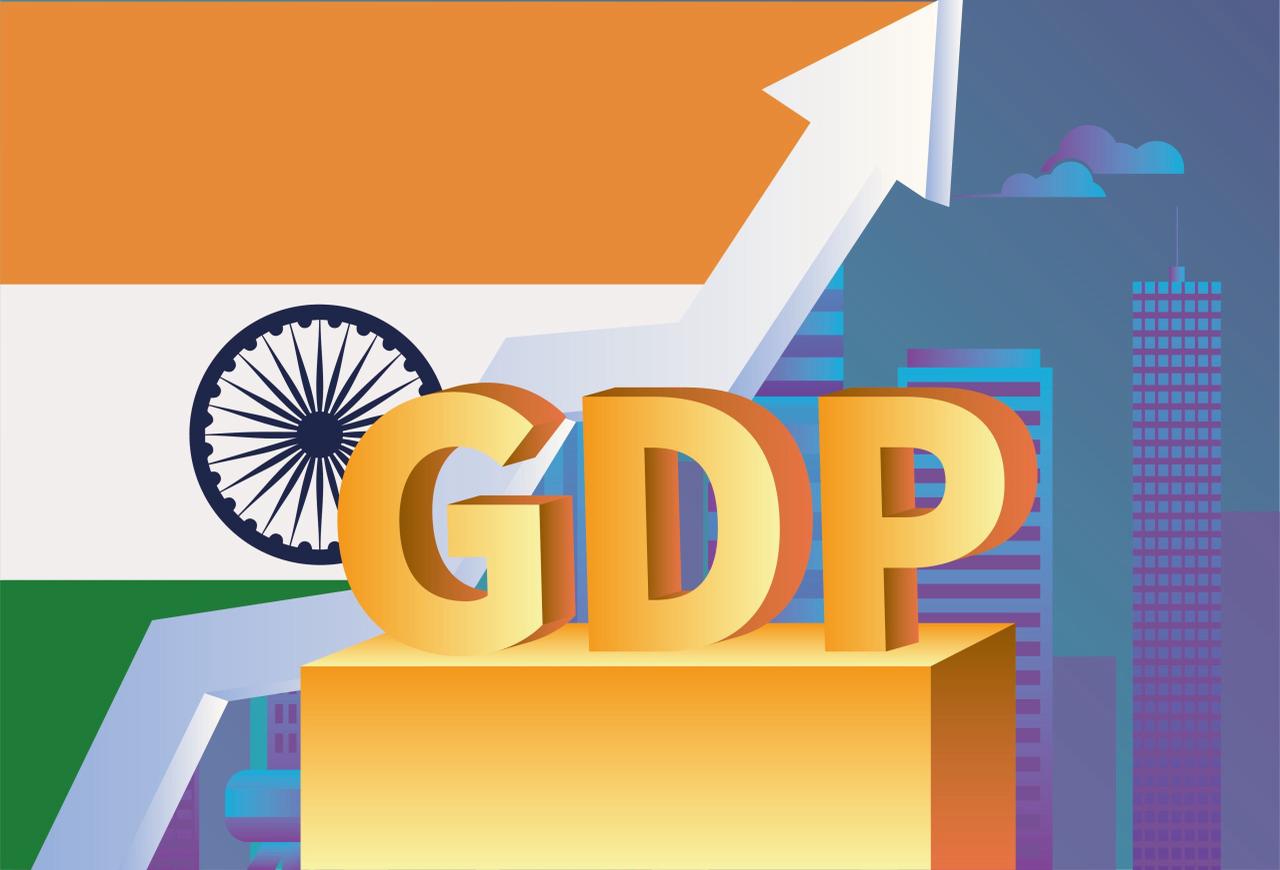
India Strengthens Position As Fastest-Growing Major Economy With GDP Above 6%
India’s GDP growth has consistently remained above 6% in recent years, with FY26 estimated at 7.4% and FY27 projected between 6.8–7.2%. Driven by strong consumption, rising investments, and structural reforms, India has emerged as one of the world’s fastest-growing economies despite global uncertainties.
Stay Ahead – Explore Now! High Volatiles: BCPL Railway Infrastructure Electric Overhaul Bags New Millions
ADVERTISEMENT

Latest Updates
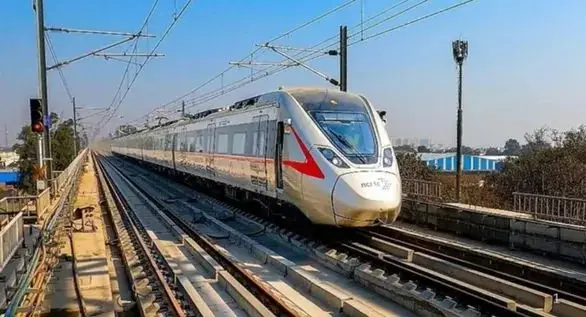
Track to Uttarakhand: Namo Bharat Expansion Nears...
15 Jun 2026, 10:18 PM
From Silt to Sustainability: BMC Starts Rejuvenati...
15 Jun 2026, 02:01 PM
Jharkhand Secures GI Tags for Bhagaiya Silk and Tr...
15 Jun 2026, 02:24 PM
Reel Deal: Mumbai International Film Festival 2026...
15 Jun 2026, 10:07 PM
Nepal Tea Trade: Factories Shut Down Over India’s...
15 Jun 2026, 10:03 PMADVERTISEMENT

Top Stories
Track to Uttarakhand: Namo Bharat Expansion Nears...
15 Jun 2026, 10:18 PM
From Silt to Sustainability: BMC Starts Rejuvenati...
15 Jun 2026, 02:01 PM
Jharkhand Secures GI Tags for Bhagaiya Silk and Tr...
15 Jun 2026, 02:24 PM