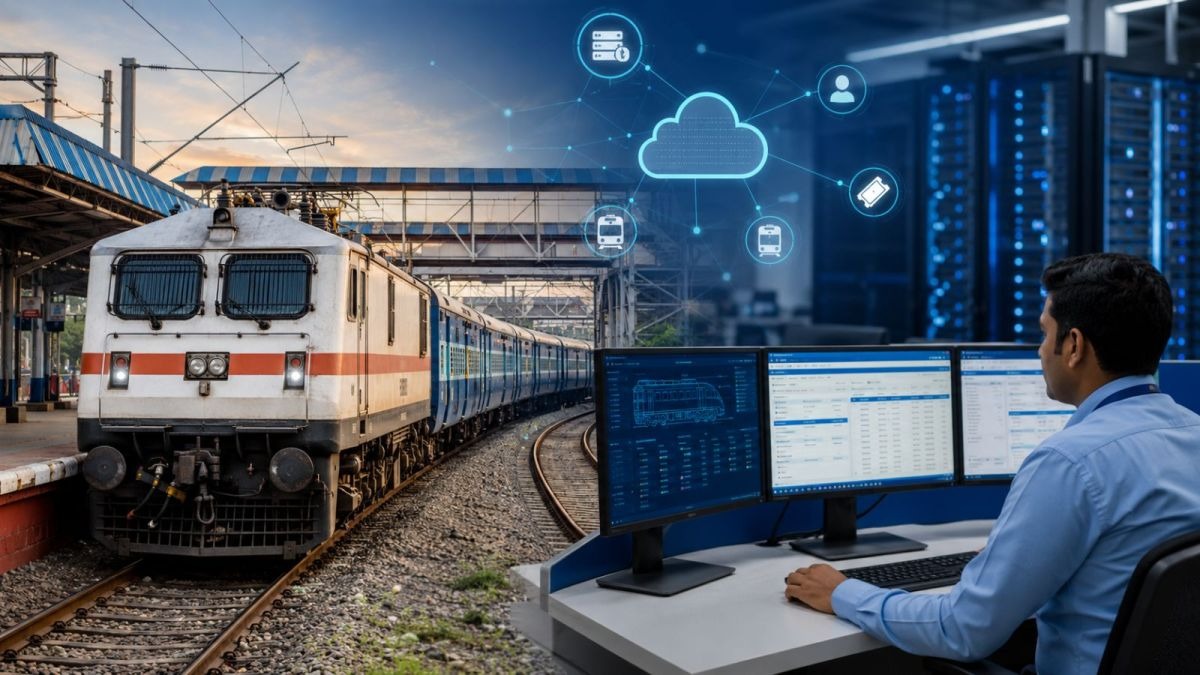
Indian Railways will launch a major overhaul of its 40-year-old Passenger Reservation System starting August 2026. The phased upgrade transitions the network to a modern infrastructure framework featuring an AI-powered waitlist prediction tool with 94% accuracy, optimizing digital booking speeds for the 88% of passengers now securing tickets online.
NEW DELHI, India — Indian Railways will officially begin a comprehensive technological overhaul of its core Passenger Reservation System (PRS) starting August 2026. Announcing the deployment timeline, the Ministry of Railways confirmed that the transition will phase out an infrastructure architecture that has formed the baseline of the national network's ticketing ecosystem since its original introduction in 1986.
The major software modernization addresses the massive scaling demands of the domestic travel sector, where approximately 88% of all ticketing transactions are now handled through online channels. According to internal technical reviews, individual trains will be migrated to the new cloud-ready reservation platform in structured phases to prevent system down-time or regional disruption to commercial booking traffic.
Technical Enhancements and Core Capacity Upgrades
The structural shift replaces a 40-year-old legacy framework with an advanced computing architecture capable of handling significantly higher transaction spikes per minute. The upgrade is designed to eliminate the infrastructure slowdowns historically experienced by commuters during peak morning Tatkal booking windows.
According to engineering specifications shared by project coordinators, the updated system introduces an integrated artificial intelligence engine focused on travel predictability. The core feature includes a high-accuracy waitlist prediction mechanism that calculates the mathematical probability of a waitlisted ticket being confirmed prior to final train chart preparation.
Internal telemetry validation from the Ministry indicates that the prediction algorithm's accuracy has been successfully elevated from a baseline of 53% up to a verified 94% during closed-loop testing, with systems engineering groups targeting an absolute 100% predictive precision rate following full field deployment.
Digital Integration via the RailOne Platform
The back-end Passenger Reservation System overhaul connects directly into Indian Railways’ unified consumer interface, the RailOne mobile application. Originally launched in July 2025 as part of a broader digital unification policy, the mobile platform has recorded more than 3.5 crore cumulative downloads across Android and iOS app ecosystems.
Data provided by commercial traffic desks shows that the application processes a steady load of 9.29 lakh tickets on a daily basis. This distribution includes roughly 7.2 lakh unreserved or platform tickets alongside 2.09 lakh fully reserved long-distance berths.
Beyond core ticket booking and cancellation modules, the upgraded architecture links transaction data directly with real-time transit telemetry. This allows the system to push live coach positioning data, verified platform arrivals, and localized catering delivery services straight to a passenger's designated seat number.
Phased Transition and Operational Continuity
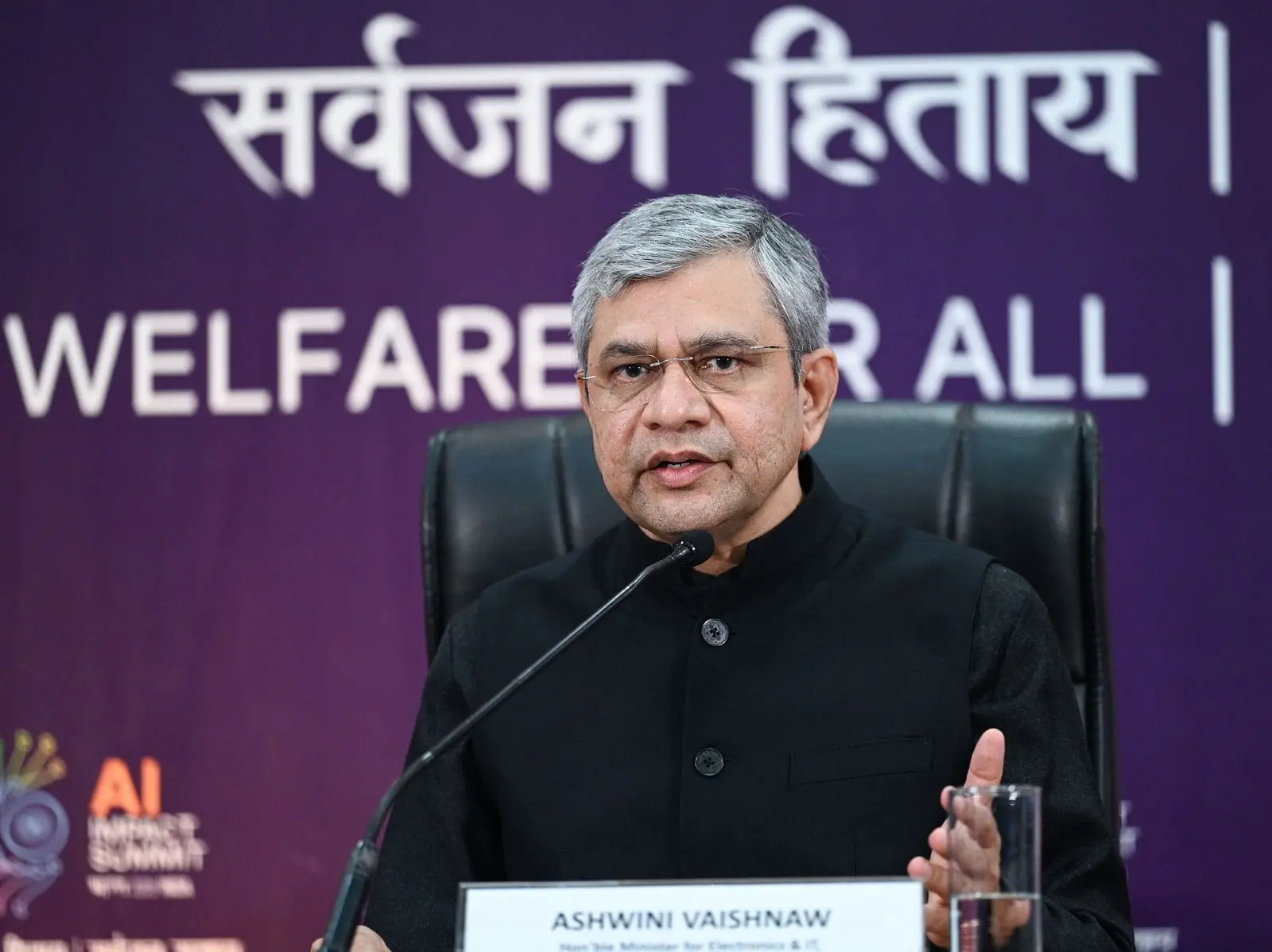
To protect travelers from system service outages during the structural change, Union Railway Minister Ashwini Vaishnaw has established a weekly progress tracking review alongside Ministers of State V. Somanna and Ravneet Singh Bittu. The transition strategy requires regional railway zones to move train inventories onto the new system during low-traffic off-peak hours.
The operational shift follows secondary systemic changes implemented over the past year. In July 2025, authorities extended the standard reservation chart finalization window from four hours to eight hours prior to scheduled train departures. Officials noted that this extended timeline, combined with the new predictive AI features, gives passengers coming from suburban areas more time to manage their travel arrangements if their initial booking remains waitlisted.
Official Sources Section
The infrastructure parameters, system metrics, traffic data, and deployment timelines detailed in this report are sourced from official administrative records published by the Press Information Bureau (PIB) Delhi and verified technical agendas maintained by the Centre for Railway Information Systems (CRIS).
Quote Section
"According to officials from the Ministry of Railways, the phased shifting of trains to the upgraded Passenger Reservation System starting this August has been structurally planned to ensure a seamless transition from the legacy 1986 environment without causing operational inconvenience to the traveling public."
Why It Matters
For daily commuters, leisure travelers, and corporate logistics operators across India, the complete modernization of the booking network cuts down on checkout friction and reduces the financial uncertainty of holding unconfirmed travel positions. By utilizing advanced predictive data analytics, passengers can make clearer travel decisions, helping them avoid secondary black-market ticketing premium channels and optimizing seat utilization across high-demand travel routes.
Key Facts at a Glance
Timeline Profile: The phased migration of trains to the new ticketing platform begins in August 2026.
System Longevity: The project completely replaces a foundational reservation platform originally deployed in 1986.
AI Advancements: Deploys a waitlist confirmation prediction tool featuring a verified 94% accuracy rating.
Transaction Volume: The updated cloud-ready architecture is designed to manage a digital footprint that currently represents 88% of all national ticket bookings.
App Adoption: The upgraded back-end fully supports the RailOne mobile application, which has surpassed 3.5 crore total user downloads.
FAQ Section
1. Will the ticket booking system experience downtime during the August upgrade?
No. The Ministry of Railways has designed a phased transition layout where train booking databases will be migrated individually during low-traffic windows to ensure that overall system availability remains unaffected.
2. How does the new AI waitlist prediction tool assist average passengers?
When an individual views or books a waitlisted ticket, the integrated AI analyzes historical trend patterns, seasonal demand, and cancellation metrics to provide a 94% accurate percentage chance of that ticket being confirmed before the train departs.
3. Will passenger ticket prices increase due to this major technology overhaul?
No official tariff increases have been linked to this software upgrade. Government tracking disclosures show that Indian Railways continues to operate on a structured social subsidy framework, absorbing an average of 43% of the operational cost for every passenger ticket issued.
Source: Press Information Bureau - Ministry of Railways, Centre for Railway Information Systems Data Portal.