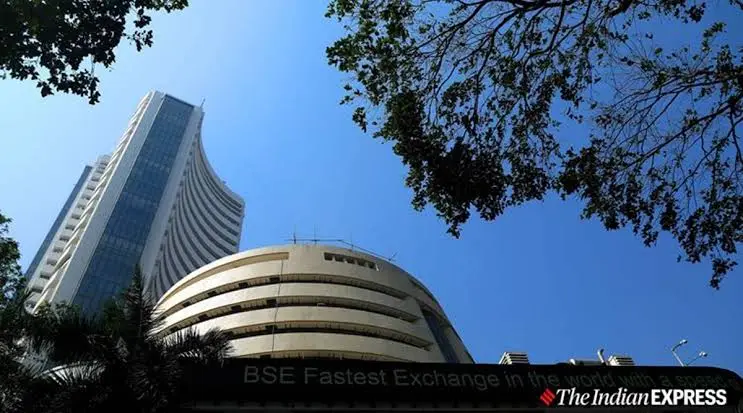
The Indian rupee climbed 0.3% past 95.50 per U.S. dollar on Tuesday, supported by strong capital inflows and softer U.S. bond yields. Indian equities traded flat, with the BSE Sensex wiping out losses to rise 0.02% while the Nifty 50 edged down 0.1% amid high oil prices.
MUMBAI — Indian financial markets experienced mixed intraday movements on Tuesday, August 25, 2026, as the domestic currency posted notable gains while headline equity gauges traded flat. The Indian rupee strengthened past the 95.50 mark against the U.S. dollar, climbing 0.3 percent on the day, supported by heavy foreign currency inflows and lower U.S. bond yields. Meanwhile, equity markets oscillated between modest gains and losses, with the BSE Sensex recovering from initial dips to trade up 0.02 percent at 77,320, while the NSE Nifty 50 traded down 0.1 percent near 24,184.
Currency Strength Driven by Reserve Accumulation and Dollar Softening
The Indian currency's intraday rally broke past key resistance levels, touching 95.48 against the greenback after opening near 95.76. Forex dealers attributed the momentum to sustained foreign-currency deposit mobilizations and easing yields on long-dated U.S. sovereign debt.
Market liquidity has received a structural boost through the Reserve Bank of India’s (RBI) special foreign currency swap arrangements, which have drawn substantial non-resident capital into domestic commercial banking channels. Furthermore, broader dollar softness followed announcements from the U.S. Department of the Treasury indicating expanded buyback operations for longer-dated sovereign paper, narrowing the greenback's interest-rate premium against emerging market assets.
Range-Bound Equities as Benchmark Indices Diverge
On Dalal Street, trading remained subdued with institutional participants maintaining caution amid elevated global commodity benchmarks. The BSE Sensex erased opening declines, inching up 0.02 percent as buying in select private banking and metal stocks counterbalanced declines in heavyweight information technology and fast-moving consumer goods (FMCG) counters.
In contrast, the broader NSE Nifty 50 slipped 0.1 percent, reflecting continued selling pressure among large-cap export-focused manufacturers. Energy costs remained a core focus for equity traders, with international benchmark Brent crude hovering near $90.84 per barrel. Elevated international energy prices continue to present upside risks to corporate operating expenses and national import bills, capping aggressive buying in cyclical equities.
Macroeconomic Context and Cross-Asset Impact
The divergence between a firming currency and range-bound equities highlights conflicting macroeconomic forces. While a stronger rupee reduces imported inflationary pressures on essential goods such as crude oil and industrial chemicals, it moderately weighs on dollar-earning IT service exporters and pharmaceutical firms.
For domestic consumers and retail borrowers, currency stabilization helps ease imported inflation risks, supporting broader price stability ahead of regional festive quarters. For foreign portfolio investors (FPIs), the rupee's resilience provides downside currency protection, stabilizing capital flows across Indian debt and equity markets.
Official Sources Section
Operational exchange rates, sovereign yield data, and index benchmarks referenced in this dispatch are monitored and published by the Reserve Bank of India, BSE Limited, the National Stock Exchange of India, and the Securities and Exchange Board of India.
Market Quotes and Trading Desk Perspectives
Financial analysts and currency strategists noted that structural liquidity buffers are shielding domestic markets from wider external volatility.
"Foreign currency inflows through central bank swap mechanisms and overseas borrowings have created a tangible liquidity buffer in the banking system, supporting the rupee near the 95.50 mark," according to treasury officials at domestic commercial banks.
"Equities continue to trade in a narrow band as market participants balance domestic structural strength against the drag from crude oil staying above $90 a barrel," according to institutional equity desk dealers in Mumbai.
Why It Matters
The resilience of the Indian rupee past 95.50 against the U.S. dollar lowers the foreign exchange burden of India's substantial energy and raw material import bill. As domestic stock indices remain range-bound near record valuation territories, currency stability provides the central bank with greater leeway in managing domestic interest rates and liquidity without facing immediate capital flight risks.
Key Facts at a Glance
Currency Movement: The Indian rupee strengthened by 0.3% to trade past 95.50 per U.S. dollar.
BSE Sensex: Erased early morning losses to trade up 0.02% at 77,320.90.
NSE Nifty 50: Traded down 0.1% near 24,184.35 amid sectoral divergence.
Commodity Headwinds: Brent crude prices traded above $90 per barrel, keeping equity sentiment cautious.
Frequently Asked Questions
Why did the Indian rupee strengthen past 95.50 per US dollar?
The rupee gained 0.3 percent due to robust foreign currency deposit inflows, easing U.S. Treasury yields, and a softer U.S. dollar index.
How did the benchmark stock indices perform?
The BSE Sensex recovered from opening losses to rise 0.02 percent, while the NSE Nifty 50 slipped 0.1 percent, reflecting mixed sectoral performance across major industries.
What external factors are restraining Indian equities from further gains?
Elevated global crude oil prices trading above $90 per barrel and global geopolitical uncertainties continue to act as key headwinds for domestic equity markets.
How does a stronger rupee impact the Indian economy?
A stronger domestic currency helps lower the cost of imported commodities like crude oil and electronic components, dampening domestic inflation while providing currency protection to overseas investors.
Source: Reserve Bank of India, National Stock Exchange of India, BSE Limited, Securities and Exchange Board of India.