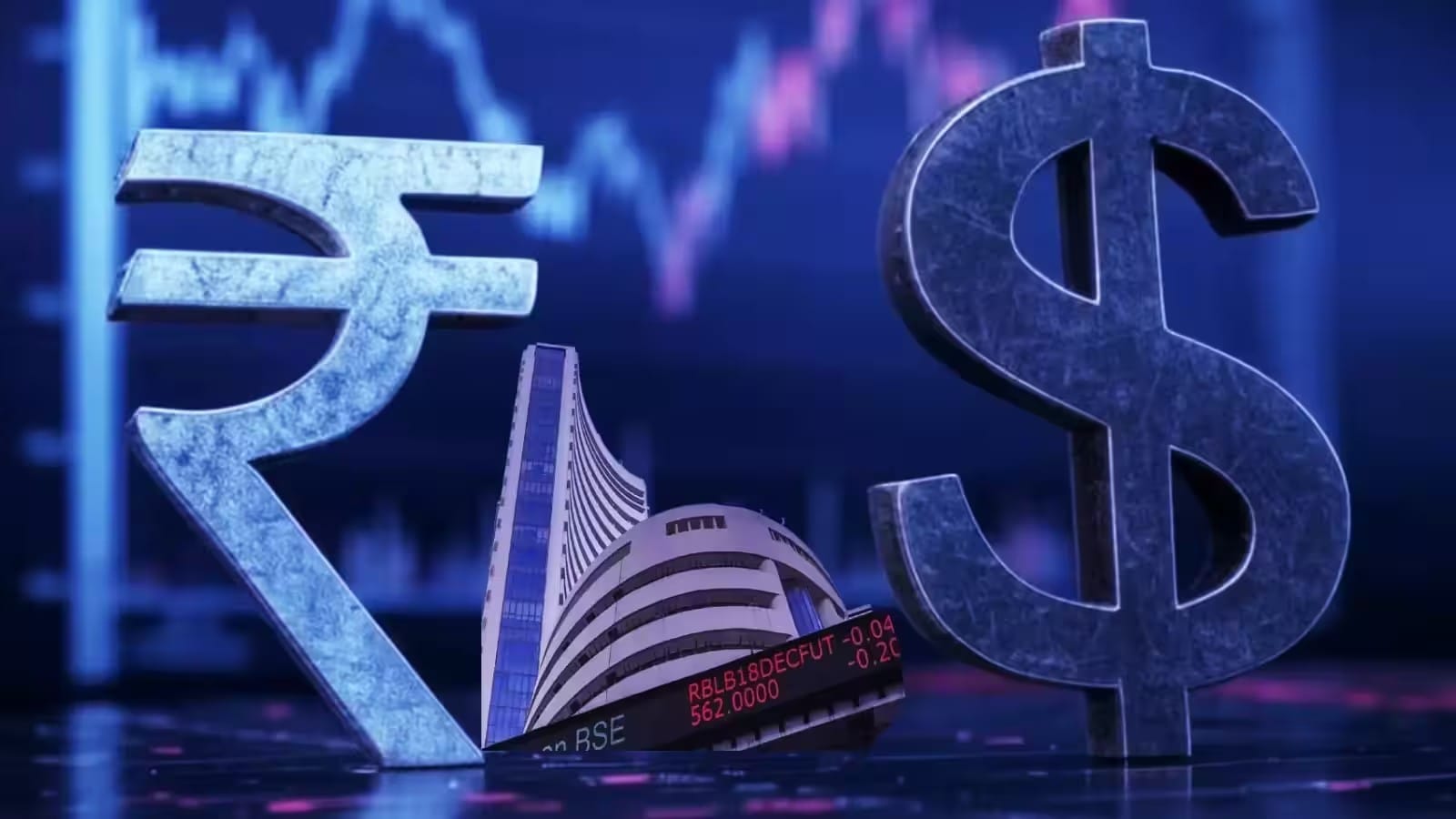
The Indian rupee opened 0.1 percent lower at 95.39 against the U.S. dollar on August 11, 2026, compared to its previous close of 95.30. The decline was triggered by higher global crude oil prices and dollar demand from importers, though strong foreign exchange reserves provided baseline support.
MUMBAI — The Indian rupee opened lower against the U.S. dollar on Tuesday, August 11, 2026, dropping 0.1 percent as elevated international crude oil benchmark prices and persistent dollar demand from domestic importers weighed on foreign exchange trading desks. Interbank market figures showed the local currency opening at 95.39 per dollar, down 9 paise compared to its previous session close of 95.30 per greenback. The opening decline reflects short-term pressure across emerging market currencies as international oil prices hover above $84 per barrel and investors evaluate global interest rate trajectories ahead of upcoming inflation statistics.
Crude Oil Firmness and Dollar Demand Drag Local Unit
The early weakness in the Indian rupee was primarily driven by firm crude oil prices, with Brent crude trading near $84.30 per barrel in international futures markets. Because India imports more than 85 percent of its crude requirements, rising global oil prices expand the national trade deficit and spur demand for U.S. dollars among oil marketing companies and commercial importers.
In addition, the U.S. Dollar Index (DXY), which tracks the greenback against a basket of six major global currencies, edged higher to trade around 99.70. The combination of a firm U.S. dollar globally and elevated import billing created immediate headwinds for domestic currency traders at the opening bell.
Buffer from Foreign Reserve Wealth and FPI Inflows
Despite early pressure, forex analysts note that the Indian rupee continues to derive structural support from robust foreign portfolio investor (FPI) inflows and India's substantial foreign exchange reserves. Official Reserve Bank of India (RBI) records indicate that national foreign currency reserves reached $692.866 billion for the week ended July 31, 2026, offering significant intervention buffer for the central bank.
Treasury advisors suggest that trading in the USD/INR pair is likely to remain bounded between 95.20 and 95.50 during the current session, as exporters utilize upticks near 95.40 while importers cover commitments near 95.10 to 95.20 levels.
Impact on Consumers, Businesses, and Overseas Investors
The movement in the exchange rate carries direct financial implications across multiple sectors of the Indian economy:
Importers & Manufacturers: Companies relying on imported raw materials, electronics, and crude oil face elevated procurement costs, which can pass through into production expenses.
Exporters & IT Services: Software exporters, textile manufacturers, and pharmaceutical firms receive modest margin benefits when converting U.S. dollar receivables back into local currency.
Overseas Travelers & Students: Indian citizens financing international travel, university tuition, or living expenses abroad encounter higher INR costs when purchasing U.S. dollars.
Official Sources Section
According to official daily exchange rate references and interbank market logs published by the Reserve Bank of India (RBI), the Foreign Exchange Dealers' Association of India (FEDAI), and the Ministry of Finance, foreign exchange operations for August 11, 2026, commenced with interbank spot rates recorded at 95.39 per U.S. dollar.
Quote Section
According to currency market analysts and treasury desks:
"The opening dip in the Indian rupee reflects broader strength in the U.S. dollar and elevated crude oil import bills. However, strong foreign institutional investor participation and substantial foreign exchange reserves held by the central bank provide an effective cushion against sharp volatility."
Why It Matters
The exchange rate between the U.S. dollar and the Indian rupee serves as a primary financial barometer for the Indian macroeconomic environment. Variations in currency valuation affect domestic inflationary pressures, trade account balances, and corporate earnings forecasts for multinational companies operating within the South Asian nation.
Key Facts at a Glance
Opening Rate: Indian rupee opened at 95.39 per U.S. dollar on August 11, 2026.
Prior Session: The local currency closed at 95.30 per dollar in the previous session.
Percentage Shift: Rupee declined 0.1 percent against the U.S. dollar at the market open.
Key Drivers: Elevated Brent crude prices ($84.31/bbl) and increased importer dollar demand.
Frequently Asked Questions
Why did the Indian rupee open lower today?
The Indian rupee opened lower due to higher global crude oil prices, a stronger U.S. dollar index, and sustained dollar purchases by domestic importers.
What was the exact opening exchange rate on August 11, 2026?
The rupee opened at 95.39 against the U.S. dollar, down 0.1 percent from 95.30.
How do foreign exchange reserves help stabilize the rupee?
Substantial foreign exchange reserves allow the Reserve Bank of India to intervene in foreign currency markets by selling dollars during times of excess volatility to prevent sharp currency depreciation.
Source: Reserve Bank of India (RBI), Foreign Exchange Dealers' Association of India (FEDAI), Ministry of Finance