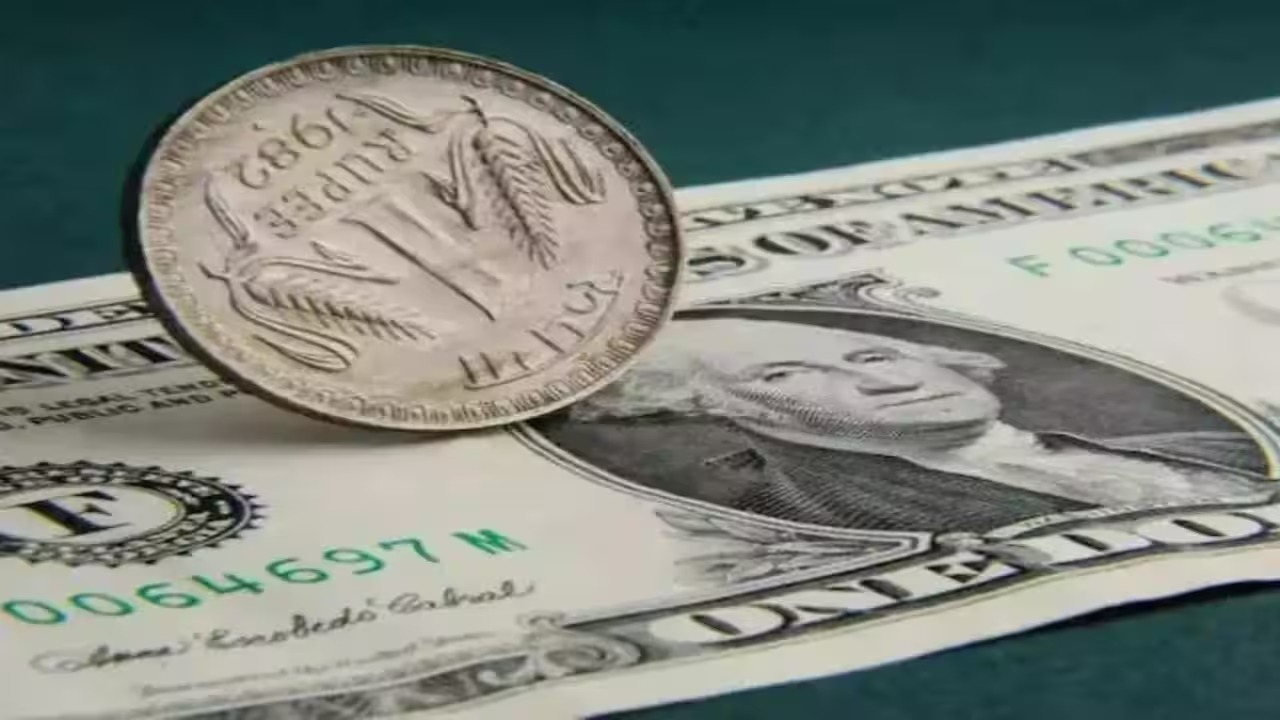
The Indian rupee declined 0.1% to settle at 95.44 against the U.S. dollar on August 13, 2026, compared to its previous close of 95.33. According to forex market participants, ongoing dollar demand from oil importers and elevated global crude valuations weighed on the domestic currency despite central bank interventions.
The Indian rupee ended 0.1% lower at 95.44 against the U.S. dollar on August 13, 2026, pressured by persistent importer dollar demand and firm global energy prices.
Interbank Foreign Exchange Market Dynamics
On August 13, 2026, the Indian rupee experienced a subdued trading session within the interbank foreign exchange market. According to official currency data, the local unit concluded the day down 0.1% at 95.44 per U.S. dollar, easing from its previous session's close of 95.33. Forex traders noted that the currency opened under downward pressure as sustained corporate dollar buying and high global crude oil benchmarks added immediate headwinds.
Market analysts pointed out that while the Reserve Bank of India (RBI) continued to manage excessive volatility through strategic dollar sales via state-run banks, the underlying momentum remained constrained. The broader dollar index stayed elevated near the 100 mark, supported by firm U.S. Treasury yields and cautious sentiment ahead of major macroeconomic data releases.
Macroeconomic Drivers and Global Commodity Influences
The trajectory of the Indian rupee continues to be shaped by a complex interplay of external trade variables and regional energy security developments. According to official market reports, sustained high valuations for Brent crude—hovering near elevated levels due to ongoing geopolitical tensions in key shipping corridors—continue to inflate India's import bills and drive regular corporate hedging demand for greenbacks.
Organizers stated that foreign portfolio investor (FPI) flows and domestic equity performance remain critical balancing factors for the domestic currency. Although select equity inflows have provided intermittent cushion, persistent dollar demand from oil refiners and importers outweighs short-term capital inflows, keeping the currency range-bound with a cautious bias.
Impact on Investors, Importers, and Market Stakeholders
The depreciation of the Indian rupee to 95.44 per U.S. dollar carries practical implications for corporate treasuries, petroleum importers, macroeconomic investors, and retail consumers. For energy companies and manufacturing importers, a weaker exchange rate increases landed raw material costs, necessitating careful hedging strategies.
For institutional and retail investors monitoring foreign exchange exposures, currency fluctuations underline the importance of diversification and active risk management. Furthermore, transparent foreign exchange reporting ensures market transparency across domestic financial markets.
Why It Matters
The closing decline of the Indian rupee to 95.44 per U.S. dollar underscores the persistent challenges posed by elevated global commodity prices and firm foreign currency demand. Tracking these exchange rate movements provides essential insight into national import costs, inflationary pressures, and external trade balances.
Key Facts at a Glance
Currency Pair: Indian Rupee against the U.S. Dollar (INR/USD)
Closing Exchange Rate: 95.44 per U.S. dollar on August 13, 2026
Previous Close: 95.33 per U.S. dollar
Percentage Change: Down 0.1%
Primary Pressures: Importer hedging, high crude oil valuations, and a firm dollar index
FAQ Section
What was the closing exchange rate of the Indian rupee on August 13, 2026?
The Indian rupee ended the session down 0.1% at 95.44 against the U.S. dollar, compared to its previous close of 95.33.
What factors contributed to the rupee's decline against the dollar?
The depreciation was primarily driven by continuous dollar demand from oil importers, elevated global crude prices, and a resilient dollar index.
How does the Reserve Bank of India manage excessive currency volatility?
The RBI routinely intervenes in the foreign exchange market through state-run banks to conduct strategic dollar sales and curb sharp depreciation.
Where can stakeholders access official daily foreign exchange rates and reports?
Official currency benchmarks, market updates, and financial statistics are publicly accessible via the Reserve Bank of India Official Portal.
Source: Reserve Bank of India, BSE Limited, National Stock Exchange of India