The Indian government plans to recover financial support for deepwater explorers seven years after production starts or once half of development costs are recouped. Proposed under the ₹84,084-crore Samudra Manthan scheme, these terms aim to balance public investment safety with incentives for upstream energy companies.
NEW DELHI — Under the recently approved ₹84,084-crore Samudra Manthan national offshore exploration scheme, the Indian government plans to initiate the recovery of its financial backing seven years after commercial production starts or only after explorers recoup half of their total development costs.
The Ministry of Petroleum and Natural Gas outlined these proposed recovery terms during recent stakeholder consultations with industry members. The multi-billion-dollar framework, designed to accelerate deepwater and ultra-deepwater hydrocarbon exploration through 2030–31, seeks to de-risk high-cost offshore drilling while ensuring a balanced return on public investment once commercial viability is established.
Balancing Public Risk and Upstream Investment
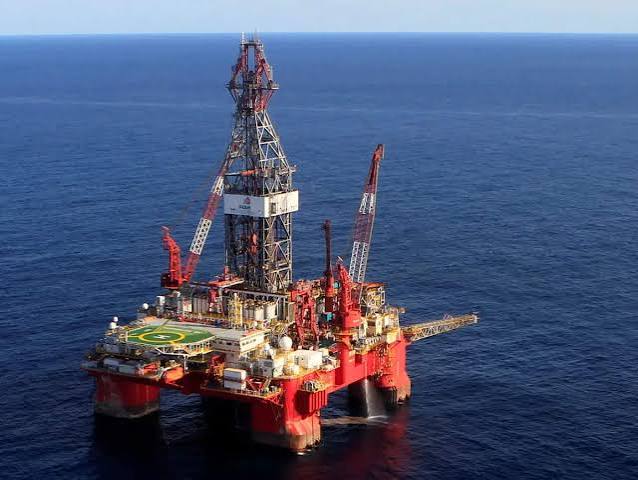
The Samudra Manthan mission allocates roughly ₹43,200 crore to co-fund up to 50% of the drilling costs for 60 deepwater and ultra-deepwater wells, capped at ₹675 crore per well. Because deepwater exploratory wells carry a high failure rate and massive upfront capital requirements, the state's intervention is engineered to absorb initial geological risks.
During recent operationalization discussions, ministry officials detailed provisions stating that the government will claw back its financial support either seven years post-production or once the operator recovers half of its development expenditures. While industry representatives have welcomed the extensive state partnership, some executive members suggested shortening the recovery threshold to five years post-production. Furthermore, industry stakeholders expressed caution regarding linking government repayment directly to the recovery of 50% of development costs, warning that such metrics could introduce accounting complexities and contract disputes down the line.
According to official government releases, ministry disclosures, and industry stakeholder briefs:
Scheme Framework: Phase-I outlay of ₹84,084 crore running through fiscal year 2030–31 under the Samudra Manthan initiative.
Drilling Allocation: Approximately ₹43,000 crore earmarked for 60 deepwater and ultra-deepwater wells.
Support Ceiling: Financial coverage of up to 50% of drilling expenses or ₹675 crore per well, whichever is lower.
Proposed Recovery Timeline: Recovery initiated seven years after commercial production begins or upon recouping 50% of development outlays.
Official Sources Section
Ministry of Petroleum and Natural Gas, Government of India: Official policy guidelines, administrative frameworks, and upstream sector implementation updates.
Directorate General of Hydrocarbons (DGH) Portal: National exploration data repositories, block licensing rounds, and scheme oversight reports.
Quote Section
"According to officials and industry participants familiar with the matter, the Ministry of Petroleum and Natural Gas has proposed flexible recovery timelines to encourage long-term capital commitment while safeguarding public investments in frontier deepwater basins."
Why It Matters
For global energy investors, upstream operators, and domestic consumers, the structured recovery timeline provides critical financial predictability. By easing early-stage cost pressures and delaying public capital recovery until projects achieve commercial stability, India aims to attract global oil majors, reverse years of declining domestic output, and reduce its heavy reliance on imported crude.
Key Facts at a Glance
Core Policy: Deferred financial recovery for deepwater state-backed exploration support.
Trigger Milestone: Seven years post-production start or 50% development cost recovery.
Associated Initiative: Samudra Manthan National Offshore Exploration Scheme.
Additional Provisions: ₹10,000 crore allocated for shared production and evacuation infrastructure in complex basins.
FAQ Section
What is the primary objective of the Samudra Manthan scheme?
The ₹84,084-crore initiative aims to unlock India's offshore hydrocarbon potential, mitigate high-risk deepwater drilling costs, and boost domestic energy self-reliance.
When does the government plan to recover its financial support?
The ministry has proposed initiating recovery either seven years after a field commences commercial production or once the explorer recovers half of its development costs.
How much financial assistance is provided per well under the program?
The scheme covers up to 50% of eligible drilling costs, capped at a maximum of ₹675 crore per well.
Where can stakeholders review official updates on India's upstream policies?
Comprehensive regulatory notices, licensing rounds, and operational guidelines are published directly through the Directorate General of Hydrocarbons Portal.
Source: Ministry of Petroleum and Natural Gas, Directorate General of Hydrocarbons, Press Information Bureau (PIB), The Economic Times