




Loading market data...
ADVERTISEMENT

Latest Top News
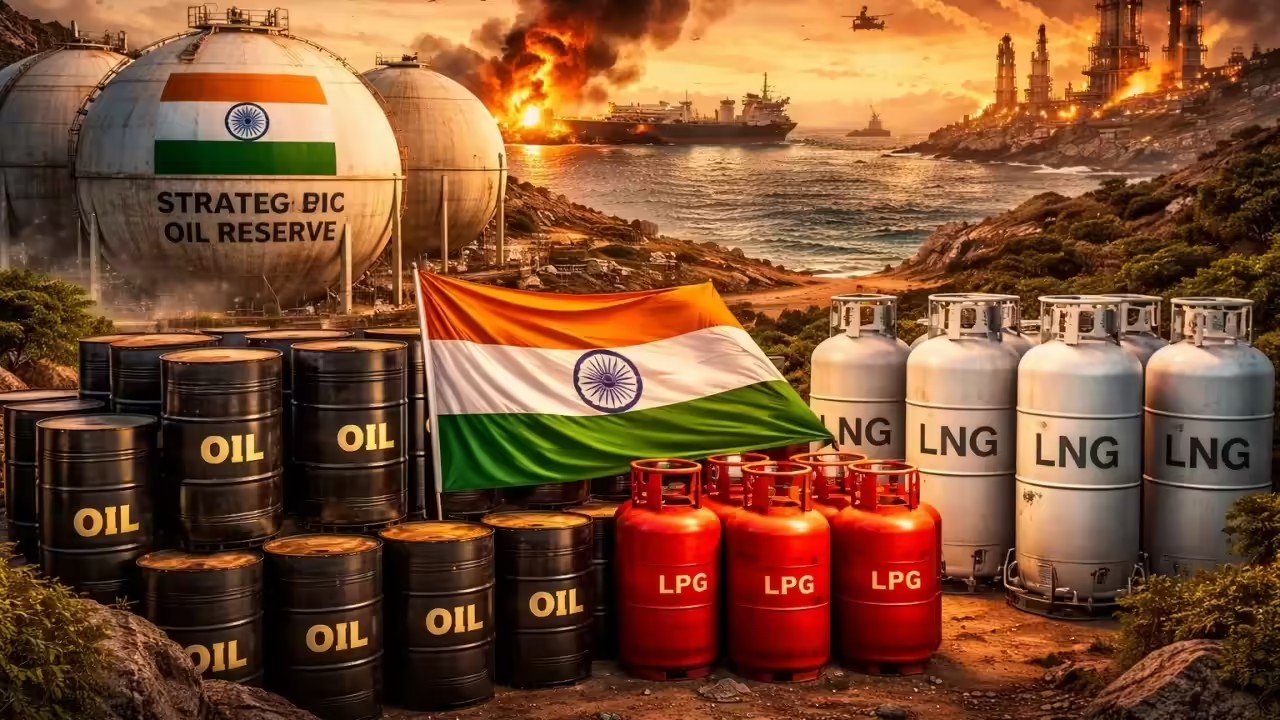
India's Energy Security Holds Firm: Oil Reserves, Diversified Imports Shield Against Iran War Disruptions
In the midst of the escalating Iran-US-Israel conflict and the Strait of Hormuz blockade, India's strategic oil reserves and expanded import sources from 40 nations ensure its energy needs remain stable. Roughly 70 percent of crude now flows via alternate routes, minimizing supply shocks. This diversification strategy underscores India's proactive approach to global oil supply chain resilience.
Stay Ahead – Explore Now! Capital Gain: KFin Tech Greenlights $2 Million Singapore Infusion
ADVERTISEMENT

Latest Updates

UNESCO Updates Heritage Site Preservation Policy f...
16 Jun 2026, 10:50 PM
Germany Merz Cites US Military Might as Blueprint...
16 Jun 2026, 10:35 PM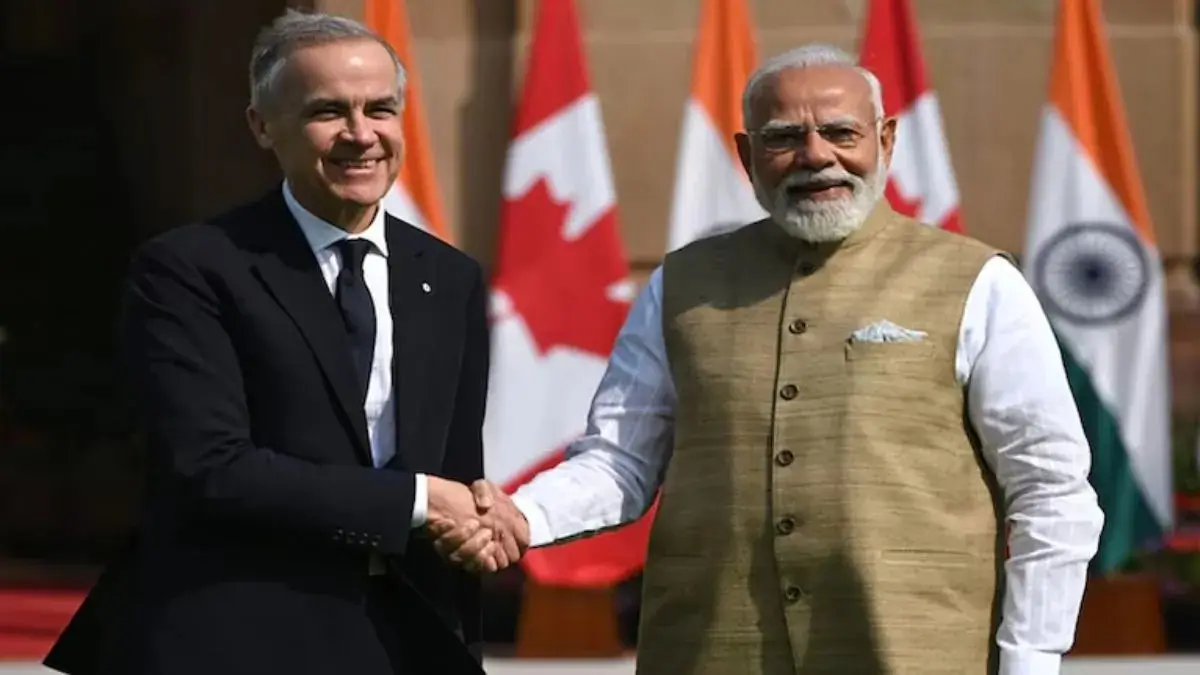
India, Canada Affirm Goal to Conclude CEPA Trade P...
16 Jun 2026, 10:31 PM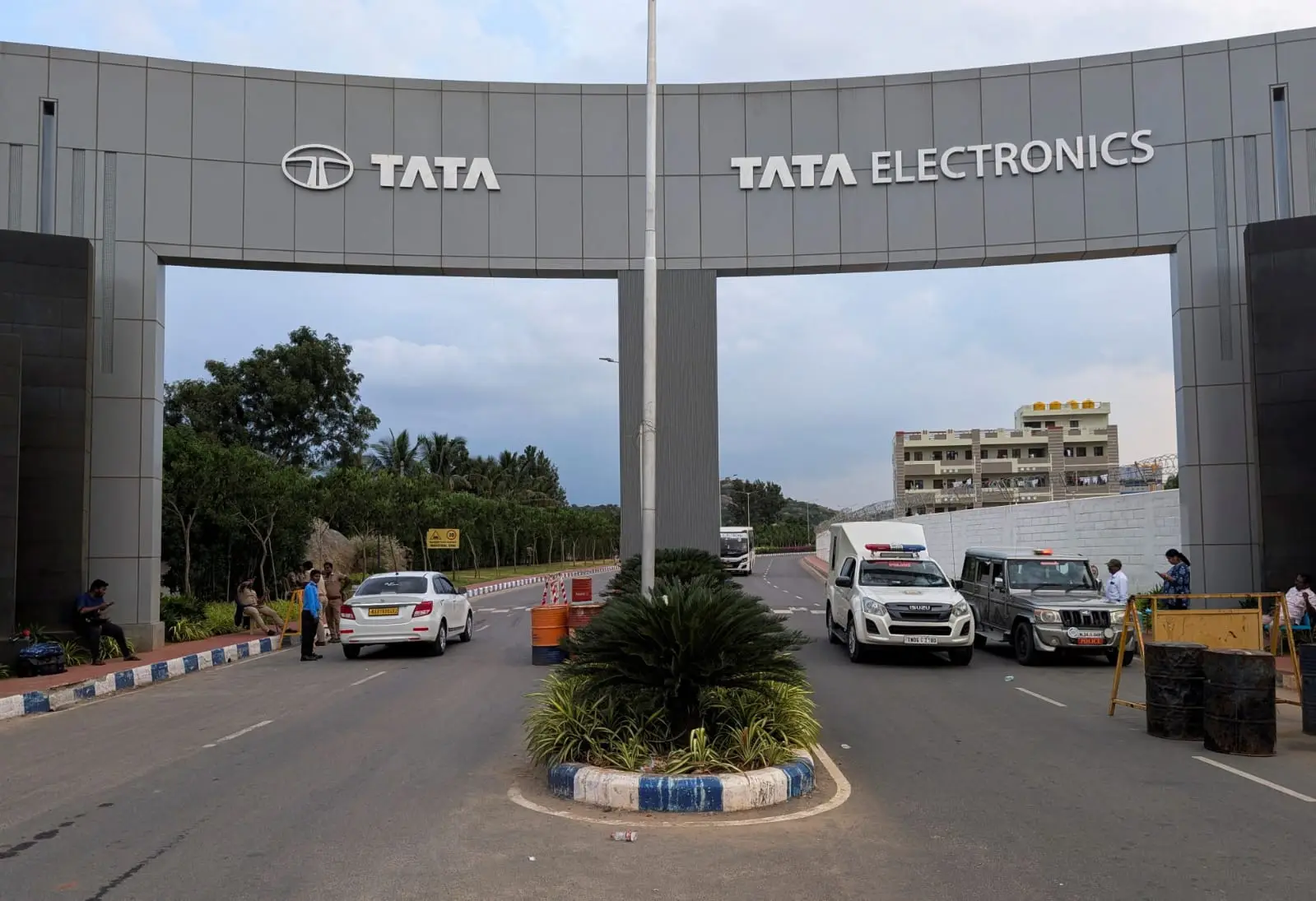
India Board Issues Notice to Tata Over iPhone Plan...
16 Jun 2026, 10:25 PM
MP Board 10th Supplementary Result 2026 Out at mpb...
16 Jun 2026, 10:12 PMADVERTISEMENT

Top Stories
UNESCO Updates Heritage Site Preservation Policy f...
16 Jun 2026, 10:50 PM
Germany Merz Cites US Military Might as Blueprint...
16 Jun 2026, 10:35 PM
India, Canada Affirm Goal to Conclude CEPA Trade P...
16 Jun 2026, 10:31 PM