




Loading market data...
ADVERTISEMENT

Latest Top News

India’s February Vegetable Oil Imports Show Mixed Trends
India imported 1.32 million tonnes of vegetable oils in February 2026, slightly lower than 1.34 million tonnes in January, according to trade body data. Palm oil imports rose sharply, soyoil imports increased modestly, while sunflower oil imports fell significantly, reflecting shifting demand and supply dynamics in the edible oil market.
Stay Ahead – Explore Now! India’s Credit Growth Outpaces Deposits, Signaling Widening Gap
ADVERTISEMENT

Latest Updates

Instamart Inks Growth: Dhanya Hemanth Raj Named Ma...
15 Jun 2026, 11:52 PM
Sri Lanka 'A' Edge India 'A' in Heated Super Over...
15 Jun 2026, 11:47 PM
Mercedes-Benz India Steers Past Headwinds to Fuel...
15 Jun 2026, 11:45 PM
Sanon’s Andheri Asset Action: Family Bags ₹4.6 Cr...
15 Jun 2026, 11:42 PM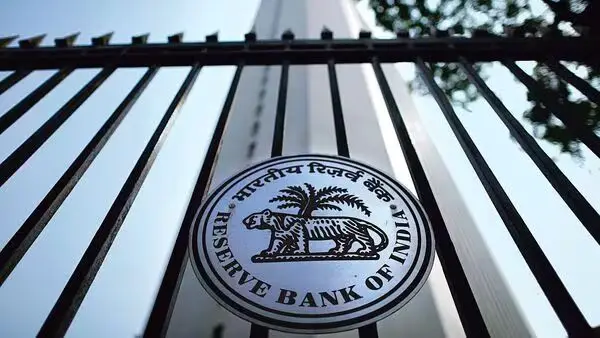
Banking on Trust: RBI Bans Coercive Bundling and A...
15 Jun 2026, 11:39 PMADVERTISEMENT

Top Stories
Instamart Inks Growth: Dhanya Hemanth Raj Named Ma...
15 Jun 2026, 11:52 PM
Sri Lanka 'A' Edge India 'A' in Heated Super Over...
15 Jun 2026, 11:47 PM
Mercedes-Benz India Steers Past Headwinds to Fuel...
15 Jun 2026, 11:45 PM