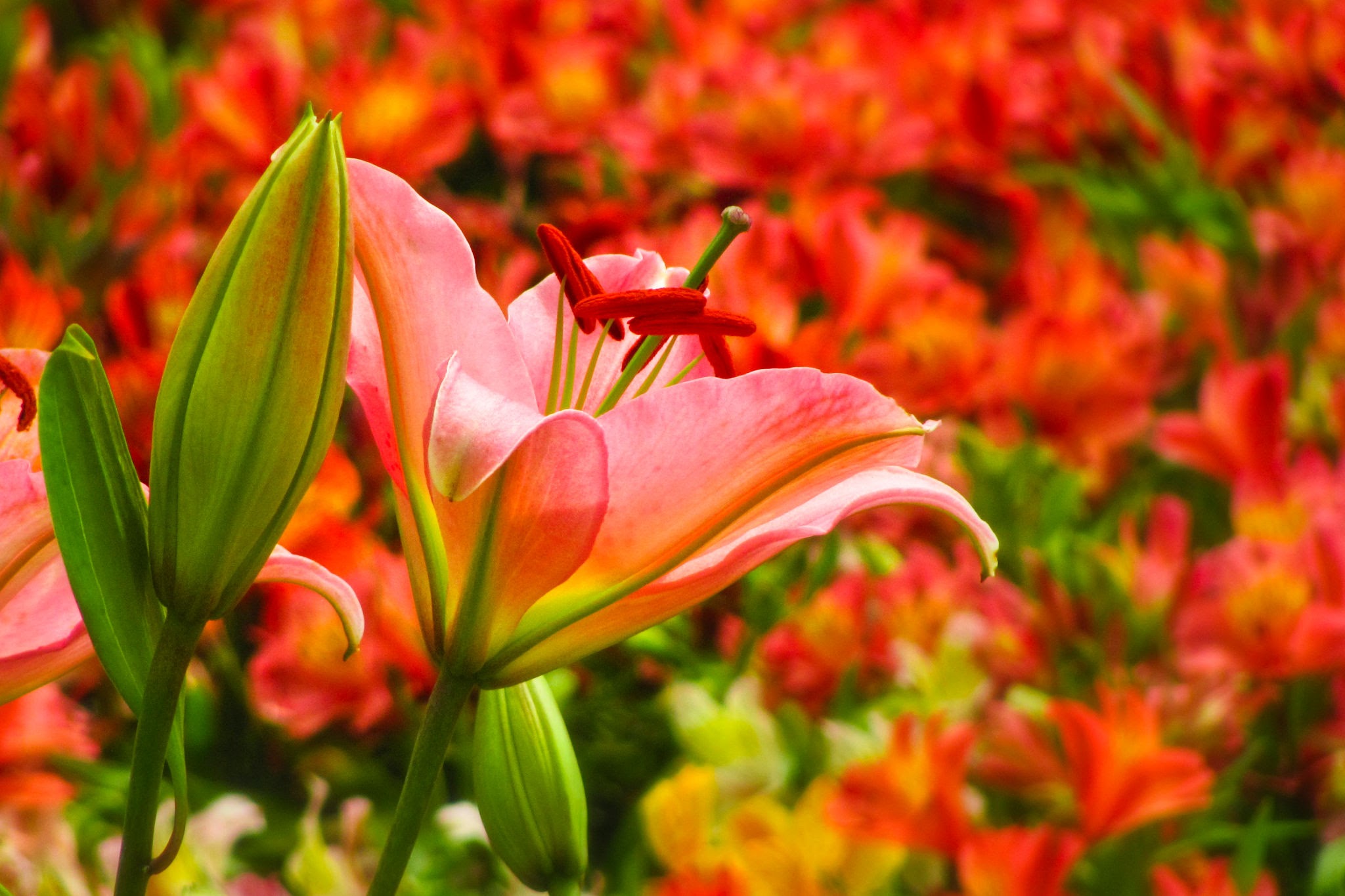
Ladakh has commenced the development of India's highest commercial Lilium cultivation field at Choglamsar, Leh, situated at 3,265 meters elevation. Backed by CSIR-IHBT, the 93,000-square-meter project has sowed 50,000 premium bulbs to empower local cooperatives and establish a sustainable, high-altitude floriculture tourism hub by September 2026.
LEH, LADAKH — The Administration of the Union Territory of Ladakh has officially commenced the development of India's highest commercial Lilium cultivation field. Located at Choglamsar in the Leh district, this landmark project marks a major shift in high-altitude agricultural diversification for the cold-desert region. In a rapid three-day planting drive concluded on July 16, 2026, agricultural workers sowed more than 50,000 premium Lilium bulbs across the site. Local authorities expect the first major flowering phase of this ambitious floriculture initiative to begin by the first week of September 2026.
Surpassing National Altitude Records in Floriculture
The new development in Choglamsar is physically situated at an altitude of approximately 3,265 meters above sea level. With this elevation, the Leh facility officially claims the title of India's highest commercial Lilium cultivation field, surpassing the previous record-holding site. Prior to this project, the nation's highest organized floriculture field was located at Mana in Uttarakhand, which sits at an elevation of roughly 3,200 meters.
The Choglamsar Flower Field covers a vast area of 93,000 square meters. Built along the scenic banks of the Indus River (Sindhu), the park is engineered to become one of the largest organized high-altitude floriculture zones in the country.
Technical Partnerships and Scientific Execution
The implementation of the highest commercial Lilium cultivation field is a joint initiative led by the Ladakh Agriculture Department. The department is executing the planting and maintenance under direct scientific and technical guidance from the CSIR-Institute of Himalayan Bioresource Technology (CSIR-IHBT), based in Palampur, Himachal Pradesh.
CSIR-IHBT has provided specialized cold-active agro-techniques designed to help the bulbs survive and thrive in Ladakh’s dry, low-oxygen, high-ultraviolet environment. According to researchers, the intense solar radiation and sharp temperature fluctuations in the trans-Himalayan region actually enhance the color saturation and post-harvest shelf life of Lilium flowers, making them highly attractive for premium cut-flower markets.
Economic and Cooperative Empowerment Models
The project is structurally aligned with the "Sahkar se Samriddhi" (Prosperity through Cooperation) initiative championed by the Union Ministry of Cooperation. The Ladakh Administration intends to use this project to build sustainable local economic models.
During the initial growth and establishment phase, the regional Agriculture Department will manage the highest commercial Lilium cultivation field. However, once the flowering season begins, operational management and harvesting rights will be systematically transferred to pre-selected local Self-Help Groups (SHGs) and agricultural cooperative societies.
By bypassing traditional middle-tier distributors, local women-led cooperatives and small-scale farmers will directly pocket the high profit margins associated with premium cut-flower sales in metropolitan Indian markets like Delhi, Mumbai, and Bengaluru.
Official Sources Section
Details regarding the project's launch, coordinates, and planting schedules were confirmed via an official press release issued by the Administration of Union Territory of Ladakh. Additional technical details and planting densities were verified through scientific bulletins from the CSIR-Institute of Himalayan Bioresource Technology. The foundation stone for the floriculture park was formally laid by Lieutenant Governor Vinai Kumar Saxena on June 22, 2026.
Quote Section
Commenting on the strategic launch of the project, agricultural and administrative officials in Leh emphasized the long-term potential of the region.
"The development of the highest commercial Lilium cultivation field in Leh represents a major transformation for Ladakh's agricultural economy. This is not just about growing flowers; it is about creating a high-value, low-volume cash crop ecosystem that directly empowers our local women and cooperative societies."
— Ladakh Agriculture Department Officials
Why It Matters
Transitioning from traditional low-yield grain crops to high-value floriculture has major economic implications for cold-desert farmers. Lilium stems command premium prices in domestic wedding, hospitality, and corporate decoration markets. Additionally, establishing a massive 93,000-square-meter flower park near Leh creates a secondary tourism asset. Travelers visiting Ladakh during the autumn shoulder season will have access to a scenic floral attraction, bolstering local homestays, transport services, and allied tourism businesses.
Key Facts at a Glance
Record Elevation: At 3,265 meters, the site is India's highest organized commercial flower field.
Scale of Operation: Spread over 93,000 square metres with over 50,000 bulbs planted in mid-July 2026.
Scientific Support: Developed in partnership with CSIR-IHBT Palampur.
Cooperative Transfer: Operations will be handed over to local Self-Help Groups (SHGs) and agricultural cooperatives during the harvest season.
FAQ Section
What makes Lilium cultivation viable in the cold desert of Ladakh?
Ladakh's high photosynthetic irradiance, high UV exposure, and cold night temperatures are highly beneficial for floriculture. These conditions result in highly intense, vibrant flower coloration and strong stem development, which are highly valued in commercial markets.
Who will benefit economically from the flower field?
While the Agriculture Department is managing the setup, the final commercial operations, harvesting, and flower sales will be managed directly by local cooperative societies and women-led Self-Help Groups.
When is the best time to visit the Choglamsar flower field?
The first bloom is expected around the first week of September 2026. The field will be open to both locals and tourists as a scenic, high-altitude recreational park.
Source: Official circulars and administrative press releases from the Administration of Union Territory of Ladakh and technical floriculture manuals from the CSIR-Institute of Himalayan Bioresource Technology.