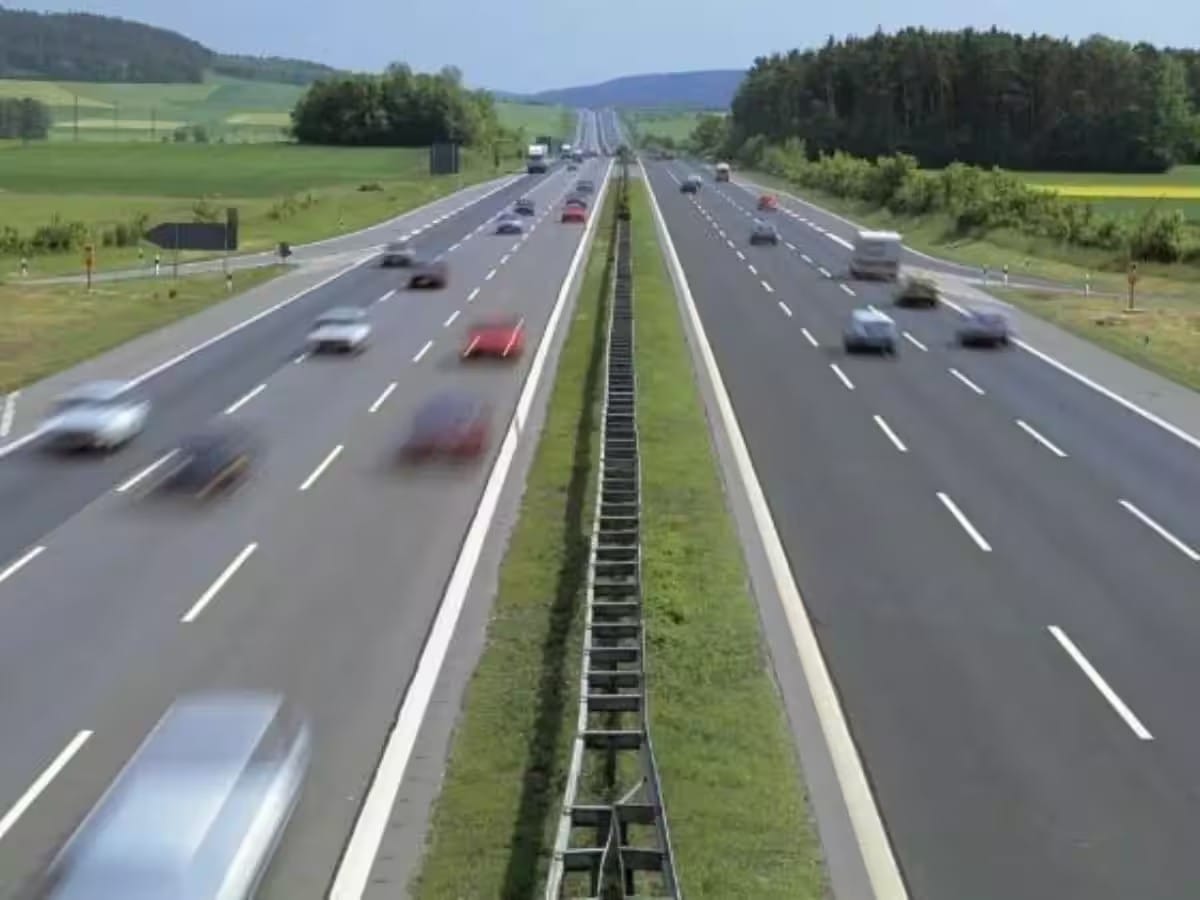
The National Highways Authority of India (NHAI) and the National Road Safety Board (NRSB) held a joint institutional meeting in New Delhi to strengthen highway safety governance. The initiative focuses on deploying predictive AI, digital ambulance mapping, toll staff emergency training, and targeted black spot remediation across National Highways.
NEW DELHI — The National Highways Authority of India (NHAI) and the National Road Safety Board (NRSB) convened a joint institutional meeting at the NHAI Headquarters in New Delhi on August 21, 2026, to execute a comprehensive operational review of safety mechanisms across the country’s highway infrastructure.
Chaired by NRSB Chairman Dr. Nitin R. Gokarn and NHAI Chairman Santosh Kumar Yadav, the high-level meeting established a structured, long-term framework between the two bodies. The strategic collaboration focuses on lowering road traffic accidents, accelerating black spot rectifications, deploying artificial intelligence for traffic monitoring, and expanding post-crash emergency response capabilities across the National Highway network.
Six-Pillar Strategy for National Highway Governance
During the proceedings, officials from NHAI presented a diagnostic evaluation of current highway safety performance, black spot remediation progress, speed management protocols, and road safety audit mechanisms. To structure future interventions, both organizations adopted a comprehensive "Safe System" approach built around six key strategic focus areas:
| Strategic Area | Core Focus & Deployment |
| Risk Identification & Engineering | Black spot identification, engineering rectifications, and preventive structural audits. |
| Highway Operations & ITS | Deployment of Advanced Traffic Management Systems (ATMS) and commercial vehicle safety oversight. |
| Emergency Response & Care | Digital mapping of ambulances and incident management protocols. |
| Digital Safety Management | AI-driven traffic monitoring, predictive safety models, and decision-support software. |
| Governance & Accountability | Multi-agency coordination, performance tracking, and institutional oversight. |
| Strategic Safety Roadmap | Long-term policy alignment with state administrations and enforcement agencies. |
AI Deployment and First-Response Enhancements
A central component of the review focused on technology-enabled solutions and emergency infrastructure. NRSB Chairman Dr. Nitin R. Gokarn highlighted NHAI's integration of predictive Artificial Intelligence tools and Advanced Traffic Management Systems (ATMS) designed to detect hazards and traffic buildup in real time.
To minimize post-crash response times, the board directed the digital mapping of all emergency ambulances servicing national corridors. Additionally, the review recommended establishing first-aid training programs for toll plaza personnel nationwide, enabling toll staff to serve as immediate first responders before specialized medical services reach an accident site. Field offices were also instructed to prioritize the top 10 high-risk accident locations across each region for immediate targeted intervention.
Official Sources Section
According to official releases issued by the Press Information Bureau (PIB) and notifications from the Ministry of Road Transport and Highways (MoRTH), the session initiates a recurring review cadence between NHAI, the NRSB, state administrations, and traffic enforcement authorities. Future review sessions will track black spot rectification metrics, emergency transit time reductions, and digital safety adoption across regional project implementation units (PIUs).
Official Quotes
According to official statements released following the joint institutional session:
"The structured partnership between the National Highways Authority of India and the National Road Safety Board establishes a unified institutional roadmap to strengthen highway governance, modernize emergency care, and accelerate technology integration to ensure safer transit across India's National Highways."
Why It Matters for Citizens and Commuters
The inter-agency collaboration brings practical changes for interstate travelers, transport operators, and local communities living near major corridors:
Commuters & Drivers: Faster incident identification via ATMS and predictive AI will reduce congestion, secondary crashes, and transit delays caused by stranded vehicles.
Accident Victims & Emergency Services: Digital ambulance tracking combined with first-aid trained toll staff aims to improve critical survival rates during the "golden hour" post-impact.
Commercial Logistics: Standardized speed management, improved signage, and black spot fixes decrease transit risks for commercial freight carriers and long-haul fleet operations.
Key Facts at a Glance
Lead Institutions: National Highways Authority of India (NHAI) and National Road Safety Board (NRSB)
Core Technology Integration: Deployment of Advanced Traffic Management Systems (ATMS), predictive AI analytics, and digital ambulance mapping.
First Responder Directive: Implementation of first-aid training for toll plaza personnel nationwide.
Target Identification: Priority focus on identifying and upgrading the top 10 high-risk accident locations across regions.
Frequently Asked Questions (FAQ)
1. What was the main purpose of the NHAI and NRSB joint meeting?
The institutional meeting evaluated current highway safety protocols and established a joint framework to reduce highway accidents through improved engineering, AI monitoring, and post-crash medical response.
2. How will technology be used to improve safety on National Highways?
NHAI is deploying Advanced Traffic Management Systems (ATMS), predictive AI tools for risk monitoring, and digital ambulance mapping to streamline emergency dispatch times.
3. What new emergency response measures were recommended?
Key emergency measures include digitally tracking ambulances along highway corridors and providing formal first-aid training to toll plaza personnel to assist accident victims immediately.
4. What is the "Safe System" approach adopted by NHAI and NRSB?
The framework addresses six strategic areas: risk identification and engineering, safe operations, emergency response, digital management systems, governance accountability, and long-term policy roadmaps.
Source: Press Information Bureau (PIB) | Ministry of Road Transport and Highways | National Highways Authority of India