




Loading market data...
ADVERTISEMENT

Latest Top News
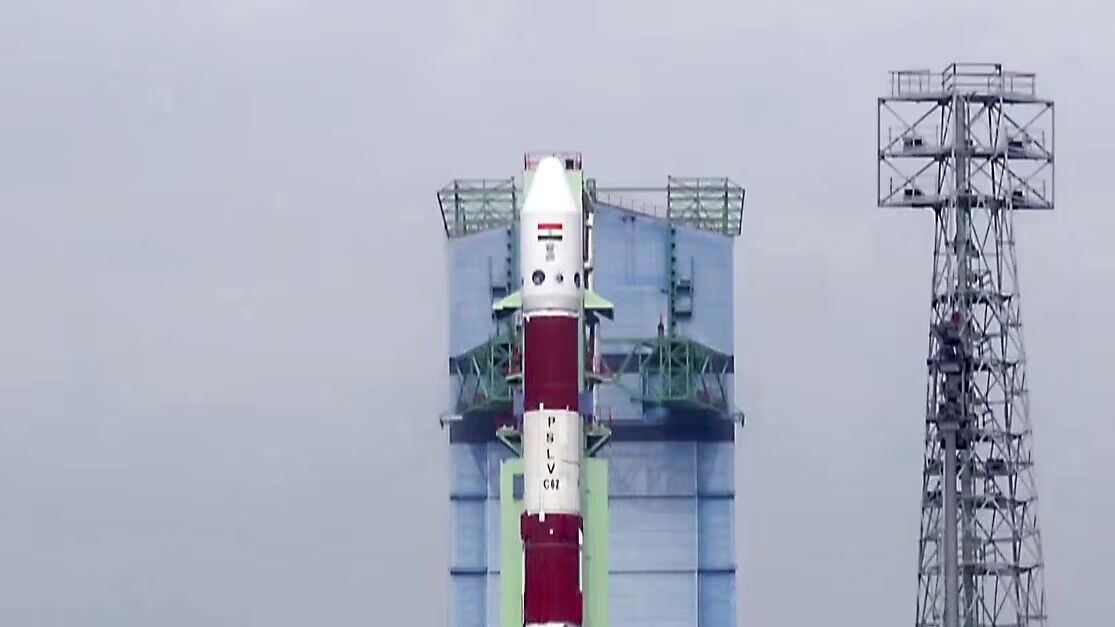
India’s NavIC Network Faces Setback As IRNSS-1F Atomic Clock Malfunctions
India’s NavIC satellite navigation system has been hit by the failure of IRNSS-1F’s atomic clock, reducing the constellation’s operational satellites to three. A minimum of four is required for full coverage. ISRO confirmed the satellite will continue limited broadcast services, but positioning reliability is now significantly impacted.
Stay Ahead – Explore Now! Indian Box Office Sees 15% Growth, Yet Hindi Market Remains Top-Heavy
ADVERTISEMENT

Latest Updates

Jharkhand Secures GI Tags for Bhagaiya Silk and Tr...
15 Jun 2026, 02:24 PM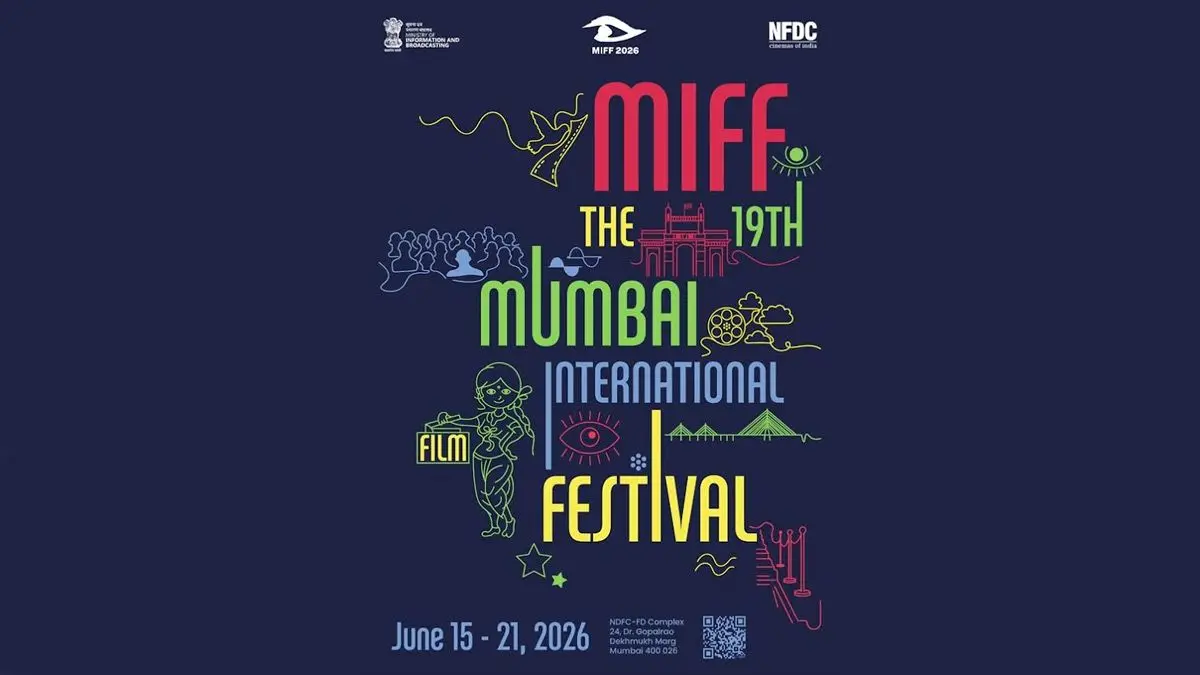
Reel Deal: Mumbai International Film Festival 2026...
15 Jun 2026, 10:07 PM
Nepal Tea Trade: Factories Shut Down Over India’s...
15 Jun 2026, 10:03 PM
Motorola’s Foldable Fold-Off: Which New Razr Fits...
15 Jun 2026, 09:59 PM
Pink Wins: Kareena Kapoor Steals the Show in Banar...
15 Jun 2026, 09:56 PMADVERTISEMENT

Top Stories
Jharkhand Secures GI Tags for Bhagaiya Silk and Tr...
15 Jun 2026, 02:24 PM
Reel Deal: Mumbai International Film Festival 2026...
15 Jun 2026, 10:07 PM
Nepal Tea Trade: Factories Shut Down Over India’s...
15 Jun 2026, 10:03 PM