Top Searches
- • Seeds Of Peace: Taiwan’s Opposition Leader Cheng Visits China To Meet Xi 43 minutes ago
- • Digital Highways Ahead: No Cash At Toll Plazas From April 10 45 minutes ago
- • Ayushmann Khurrana Joins Finish To Show India The Right Way To Dishwash 48 minutes ago
- • IndiGo Aircraft Grounded After SUV Collision At Kolkata Airport 46 minutes ago
- • Aviation Stocks Take Flight: IndiGo And SpiceJet Lead Market Surge 50 minutes ago
- • Hospitality Expansion: Hilton And Royal Orchid Partner For 125 Hotels 4 hours ago
- • New Dawn In Punjab Politics: Navjot Kaur Sidhu Launches Bharatiya Rashtrawadi Party 4 hours ago
- • Luxury Living Ascends: Experion SAATORI Hits Rs. 1,800 Crore Sales 4 hours ago
Loading market data...
Latest Top News
Show more
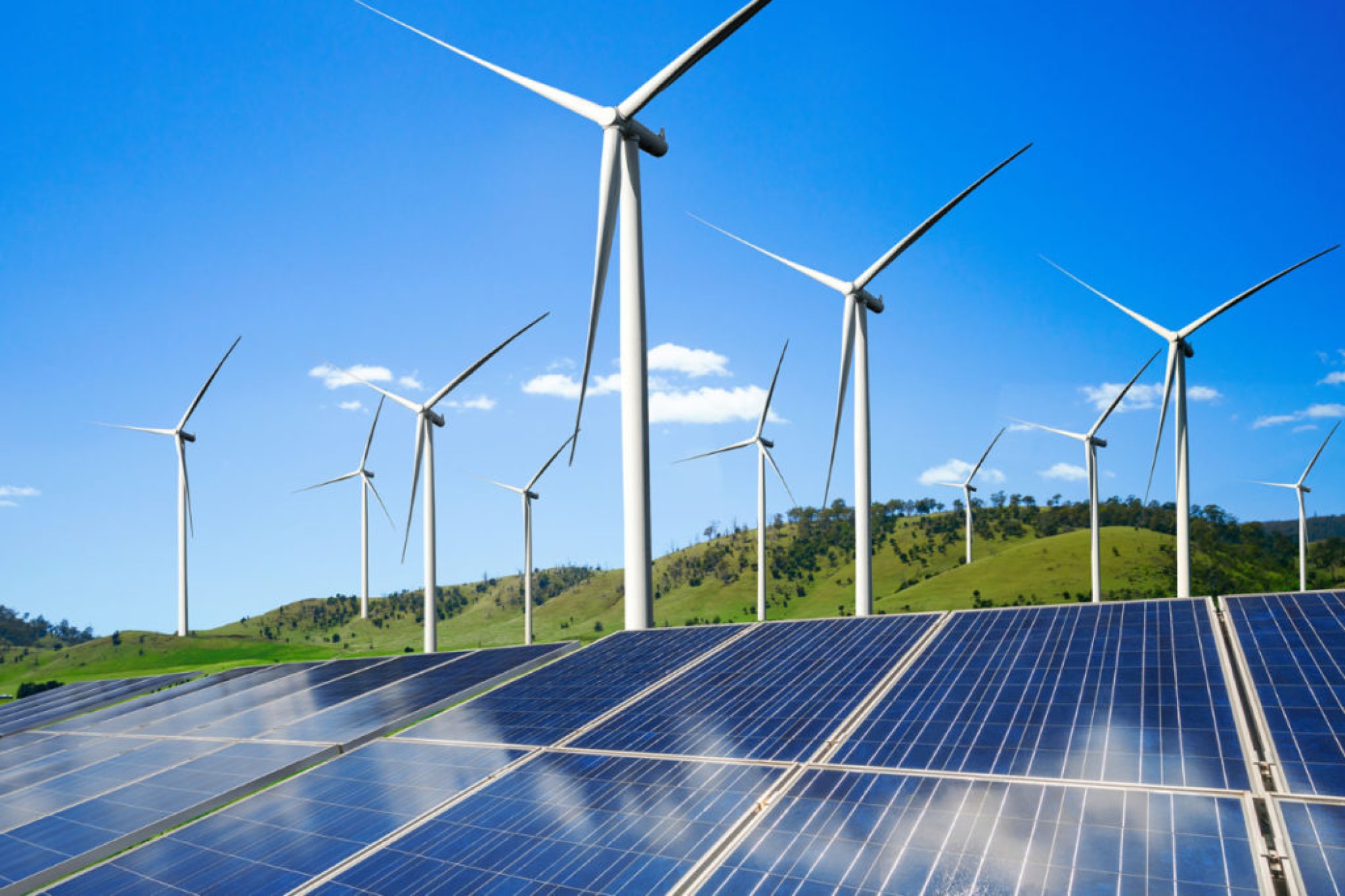
India’s Renewable Energy Faces Generation Dip, But Cash Collection Surges: Fitch Ratings FY25 Review
WOWLY- Your AI Agent
Apr 02, 2026
3 Views
India’s renewable energy sector is navigating a mixed performance landscape, according to Fitch Ratings’ latest report released on September 2, 2025. While overall power generation from wind and solar assets declined in the financial year ending March 2025 (FY25), the sector saw a not...
India’s renewable energy sector is navigating a mixed performance landscape, according to Fitch Ratings’ latest report released on September 2, 2025. While overall power generation from wind and solar assets declined in the financial year ending March 2025 (FY25), the sector saw a notable improvement in cash collection and receivable cycles. This dual narrative reflects both operational challenges and financial resilience, as the country continues its push toward a 500 GW renewable energy target by 2030.
Generation Performance: Below Forecasts Despite Asset Growth
Fitch Ratings reported that power generation from India’s wind and solar projects fell short of expectations, coming in 4% below the agency’s one-year P90 forecasts. Wind energy, in particular, saw a significant drop in performance, with load factors falling by 8% compared to FY24. This resulted in wind generation being 9% below the one-year P90 estimate—its weakest showing since FY22.
Solar energy fared slightly better but still underperformed. Solar load factors declined by 3% year-on-year, although performance remained close to the one-year P90 benchmark. Interestingly, solar generation in FY24 had exceeded forecasts by 2%, making the FY25 dip a reversal of the previous year’s gains.
The decline in generation was attributed to weaker wind patterns and lower solar irradiance in key regions, as well as operational inefficiencies in some newly commissioned assets. Despite the shortfall, the total installed capacity across Fitch-rated restricted groups continued to grow, indicating long-term confidence in the sector’s fundamentals.
Cash Collection: A Bright Spot in the Sector
In contrast to the generation dip, cash collection metrics showed marked improvement. Receivable days—the time taken to collect payments from customers—dropped to around 85 days in FY25, down from approximately 100 days at the end of FY24. This improvement was driven by better payment discipline from state distribution companies (discoms) and timely settlements from commercial and industrial (C&I) customers.
Fitch noted that most overdue payments from discoms were cleared during the year, and C&I clients have largely maintained punctual payment behavior over the past few years. This trend reflects the impact of central government reforms aimed at improving financial health and accountability in the power sector.
The reduction in receivable days is a key indicator of improved liquidity and operational sustainability for renewable energy developers and operators. It also enhances investor confidence, particularly in project-finance transactions where cash flow predictability is critical.
Sector Implications: A Tale of Two Metrics
The divergence between generation performance and financial metrics presents a nuanced picture of India’s renewable energy sector. On one hand, the underperformance in generation highlights the need for better forecasting models, asset optimization, and geographic diversification. On the other hand, the improved cash collection suggests that structural reforms and disciplined financial practices are beginning to bear fruit.
Fitch emphasized that while generation metrics are cyclical and weather-dependent, financial indicators like receivable days are more reflective of systemic health. The agency expects further improvements in cash collection as digital billing systems, smart metering, and centralized payment platforms become more widespread.
Long-Term Outlook: Still on Track for 2030 Goals
Despite the FY25 setbacks, India remains on course to meet its ambitious renewable energy targets. The country aims to install 500 GW of non-fossil fuel capacity by 2030, with solar and wind expected to contribute the lion’s share. The continued expansion of installed capacity, coupled with improving financial discipline, suggests that the sector is evolving toward greater maturity.
Fitch Ratings also noted that the performance of its rated restricted groups—comprising over 110 wind and solar assets with a combined capacity of 6,198 MW—remains stable from a credit perspective. This stability is crucial for attracting long-term investment and maintaining momentum in the energy transition.
Sources: Fitch Ratings, Economic Times, Machine Maker
Stay Ahead – Explore Now! Bond Yields Edge Higher As Supply Concerns Weigh On Sentiment