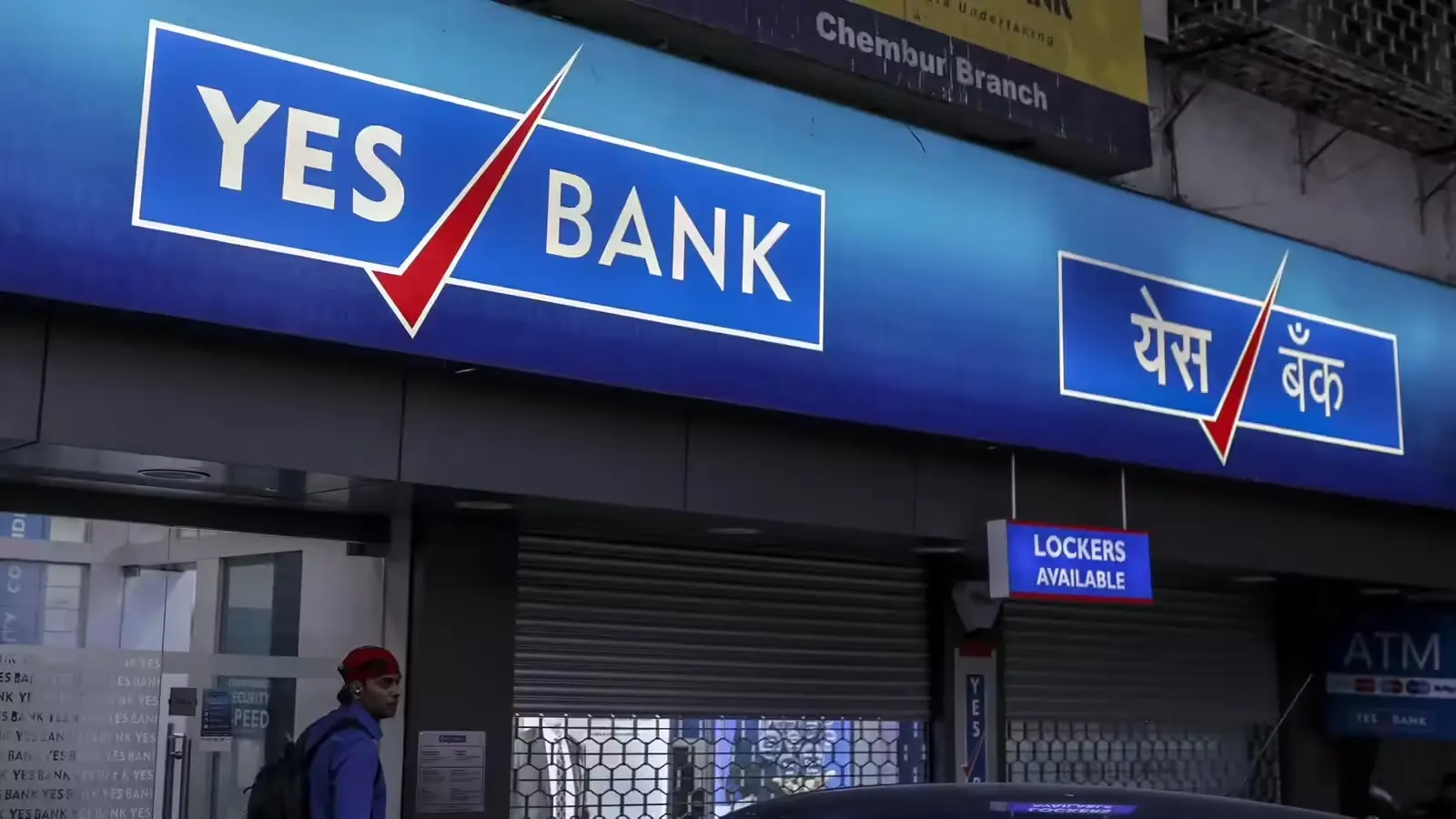
India’s state-run fuel retailers, including IOCL, BPCL, and HPCL, incurred revenue losses of nearly 1.65 trillion rupees on diesel and gasoline sales in the April–June quarter. The losses stemmed from shielding consumers against West Asia crisis-driven oil price volatility. Restrictions on fuel distribution were lifted on July 1, 2026
NEW DELHI — India’s state-owned fuel retailers faced a staggering financial burden in the first quarter of fiscal year 2027, with revenue losses totaling 1.65 trillion rupees due to the government’s efforts to shield consumers from record-high global oil prices.
According to data disclosed by the Union Petroleum Minister, state-run oil marketing companies (OMCs)—comprising Indian Oil Corporation (IOCL), Bharat Petroleum Corporation (BPCL), and Hindustan Petroleum Corporation (HPCL)—recorded revenue losses (under-recoveries) of nearly 1.45 trillion rupees on diesel sales and 199 billion rupees on gasoline (petrol) sales between April and June 2026.
West Asia Crisis and Price Divergence
The massive revenue shortfall stems from a period of severe geopolitical instability in West Asia, which sent international crude oil prices soaring. While global prices surged, the Indian government kept retail prices of petrol and diesel relatively stable to prevent inflationary pressure on the domestic economy.
The policy created a widening price gap between retail rates and the actual cost of importing and refining fuel. At the peak of the crisis, state retailers were absorbing daily losses of between 600 and 700 crore rupees across petrol, diesel, and LPG combined. This disparity forced industrial and commercial consumers to abandon bulk procurement channels in favor of retail fuel stations, leading to temporary supply disruptions and hoarding, which eventually necessitated government-imposed distribution curbs in June 2026.
Financial Strain on Public Sector OMCs
The financial strain on the OMCs became so acute that oil secretary Neeraj Mittal recently noted that companies were nearing their borrowing limits to manage operations while absorbing these costs. Unlike many other nations that passed on 40% to 50% of the price increase to consumers, India’s retail hikes remained in the single digits for much of the quarter, successfully insulating the retail public but at a significant cost to the balance sheets of state fuel retailers.
"We have learned the lesson and we will try to increase storage," the Petroleum Minister stated, highlighting the vulnerability exposed by the supply chain disruptions.
Market Stabilization and Policy Shift
With the improvement in global supply chain conditions, the Ministry of Petroleum and Natural Gas officially withdrew temporary regulatory measures—such as the 200-litre daily cap on diesel and restrictions on bulk commercial procurement—effective July 1, 2026. The government's decision signals a return to normalized market operations as the immediate volatility from the West Asia crisis subsides.
Official Sources and Context
Revenue Losses (April–June 2026):
Total Reported Under-Recovery: Combined impact on state fuel retailers exceeded 1.6 trillion rupees for the quarter.
Government Stance: The Ministry of Petroleum and Natural Gas confirmed that temporary restrictions on diesel and petrol distribution were lifted as of July 1, 2026, following supply stabilization.
Why It Matters
Fiscal Impact: The 1.65 trillion rupee loss represents a major transfer of cost from the consumer to the state-run oil companies, impacting their capital expenditure and dividend-paying capacity.
Consumer Shielding: By absorbing these costs, the government prevented a sharp rise in transportation and logistics costs, which would have significantly spiked food and general commodity inflation.
Infrastructure Strategy: The crisis has prompted a policy shift toward increasing India's strategic petroleum storage capacity to mitigate the impact of future supply shocks.
Key Facts at a Glance
1.65 Trillion Rupees: Combined revenue loss on diesel and petrol for OMCs in Q1 FY27.
Borrowing Limits: State-run retailers had to increase borrowings to maintain supply during the peak of the West Asia crisis.
Policy Change: Temporary caps on diesel distribution (200 litres/day) were fully lifted on July 1, 2026.
Frequently Asked Questions (FAQ)
Why did state-run fuel retailers incur such high losses?
OMCs sold fuel at prices lower than the cost of importing and refining crude oil to protect retail consumers from the volatility caused by the West Asia conflict.
What was the impact on industrial consumers?
Due to the large price gap between bulk and retail diesel (reaching up to ₹40 per litre at times), many commercial users shifted to retail outlets, leading to fuel shortages and black-marketing instances.
Are fuel sales restrictions still in place?
No. As of July 1, 2026, the government has withdrawn all temporary restrictions on the sale and distribution of petrol and diesel.
Source:
Ministry of Petroleum & Natural Gas (Press Information Bureau), Economic Times Energy World (State fuel retailers borrowing limits), Investing.com (Oil Minister statements).