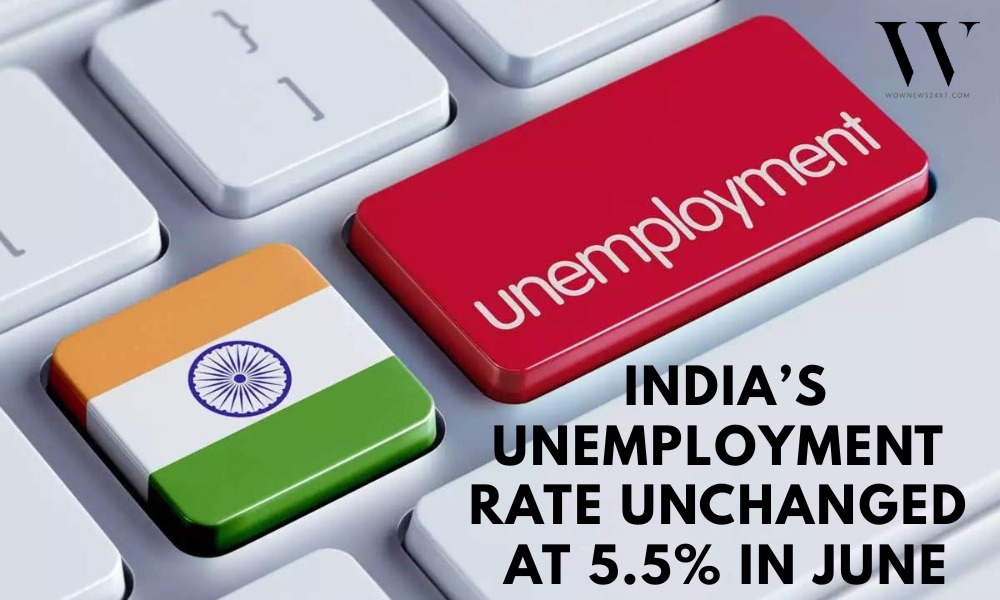
India’s unemployment rate for June 2026 was recorded at 5.5%, slightly exceeding the 5.4% forecast from a Reuters poll. This data point offers a critical perspective on the nation's labor market, reflecting ongoing trends in industrial growth and workforce participation as the economy navigates evolving employment demands.
New government data shows a slight rise in joblessness, coming in marginally higher than market expectations as the labor market continues to evolve.
NEW DELHI — India’s unemployment rate reached 5.5% in June 2026, according to the latest data released by the government. The figure represents a slight uptick from previous months and stands marginally above the 5.4% consensus estimate projected in a recent Reuters poll of market analysts.
This development offers a fresh look at the pulse of the Indian labor market, providing policymakers, investors, and economists with critical insights into the country’s post-pandemic employment trajectory. As the government continues to prioritize manufacturing growth and infrastructure development, the nuances of these monthly figures remain central to discussions surrounding domestic economic stability.
Analyzing the Labor Market Trends
The June data reflects the complex dynamics currently at play within the Indian workforce. While sectors such as construction, digital services, and manufacturing continue to show demand for skilled labor, regional variations and the ongoing formalization of the economy play significant roles in the shifting unemployment numbers.
Economists often observe that fluctuations in these figures can be influenced by seasonal patterns, the pace of private sector hiring, and the integration of the massive informal workforce into formal corporate structures. As India pursues its long-term goals for industrial expansion and global supply chain integration, the government's focus remains on sustaining robust employment growth alongside GDP expansion.
Contextualizing Economic Data
The 5.5% unemployment rate serves as a key indicator within a broader suite of macroeconomic metrics monitored by the Ministry of Statistics and Programme Implementation (MoSPI). Consistent reporting and data collection allow for better visibility into labor force participation rates (LFPR) and the demographic distribution of employment.
While the June figure slightly exceeded the Reuters poll expectations, analysts caution against over-interpreting month-to-month volatility. The Indian economy has shown resilience in several key performance areas, including healthy manufacturing output and strong infrastructure investment, both of which are intended to provide the structural foundation for long-term job creation.
Official Sources
The employment data is compiled and released by the Government of India through its official statistical agencies. These periodic reports are utilized by financial institutions, regulatory bodies, and international organizations to assess India's macroeconomic environment.
Why It Matters
For citizens and the business community, unemployment data is a primary lens through which the health of the broader economy is viewed. Stable employment rates are essential for maintaining consumer confidence and driving domestic demand. For investors, these figures provide a baseline for assessing the potential impact of labor availability on corporate earnings and future expansion plans across various industries.
Key Facts at a Glance
June Unemployment Rate: 5.5%.
Market Forecast: 5.4% (per Reuters poll).
Reporting Body: Government of India.
Economic Focus: Tracking labor market participation and industrial growth impacts.
Frequently Asked Questions (FAQ)
What does the 5.5% unemployment rate signify?
It indicates the percentage of the labor force that is currently seeking employment but remains without work, serving as a key gauge for economic health.
Why is there a difference between the official data and market polls?
Economic polls are estimates provided by analysts based on trends and projections, while official government data is based on formal surveys and statistical collection from across the country.
How does this figure impact the broader Indian economy?
Stable employment is vital for domestic consumption. Variations in this rate can influence monetary policy, corporate hiring strategies, and overall consumer sentiment.
Where can the full statistical report be accessed?
Detailed labor force survey reports are made available through the Ministry of Statistics and Programme Implementation (MoSPI) portal.
Source: Ministry of Statistics and Programme Implementation (MoSPI), Reserve Bank of India (RBI) Data Portal