




Loading market data...
ADVERTISEMENT

Latest Top News
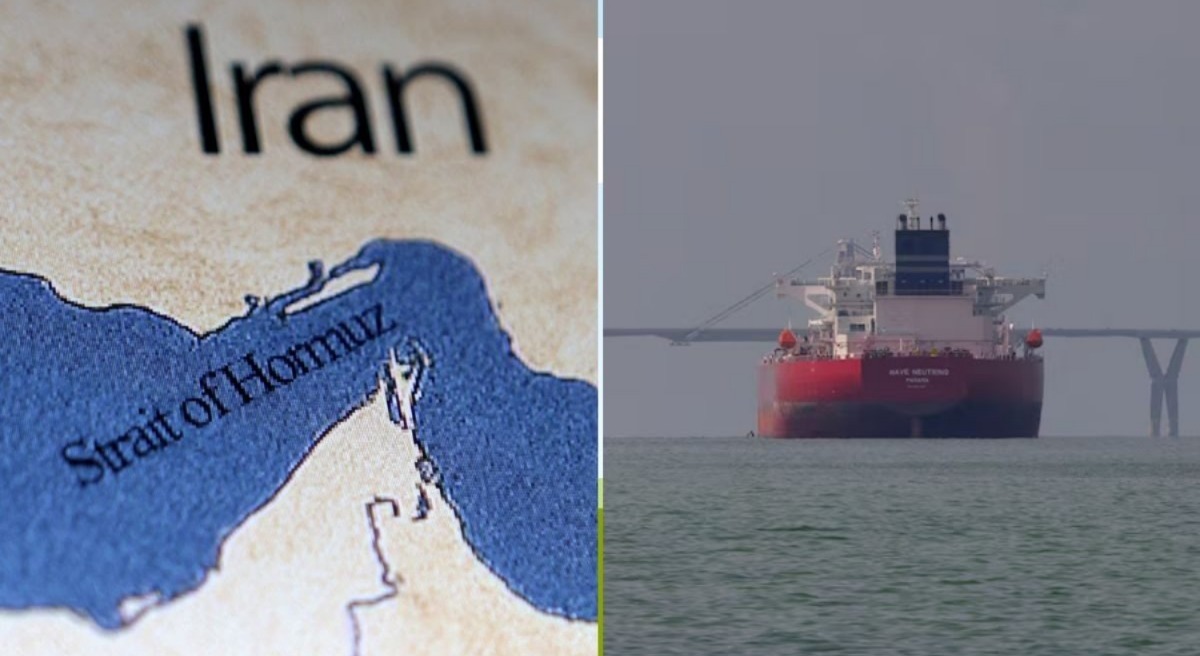
Iran Formalizes Strait Of Hormuz Toll Plan As Tensions Escalate
Iran has officially introduced a toll plan for ships passing through the Strait of Hormuz after several vessels were turned back. The move has heightened global tensions, raising concerns over energy security, trade disruptions, and geopolitical stability in one of the world’s most critical maritime routes.
Stay Ahead – Explore Now! Tourism Surge Forecasted as Twin Cities Unveil Historic 2026 Riverfront Developments
ADVERTISEMENT

Latest Updates

PMC Imposes Alternate-Day Water Supply and Bans Co...
16 Jun 2026, 10:11 AM
First Commercial Flight Lands at Jewar as Noida Ai...
16 Jun 2026, 10:03 AM
Navitas Solar Set to Invest ₹15 Billion in Gujarat...
16 Jun 2026, 10:07 AM
MCX Gold Rate Steady Above ₹1.53 Lakh While Silver...
16 Jun 2026, 09:58 AM
India’s Coking Coal Demand Forecast to Reach 116 M...
16 Jun 2026, 09:55 AMADVERTISEMENT

Top Stories
PMC Imposes Alternate-Day Water Supply and Bans Co...
16 Jun 2026, 10:11 AM
First Commercial Flight Lands at Jewar as Noida Ai...
16 Jun 2026, 10:03 AM
Navitas Solar Set to Invest ₹15 Billion in Gujarat...
16 Jun 2026, 10:07 AM