




Loading market data...
ADVERTISEMENT

Latest Top News
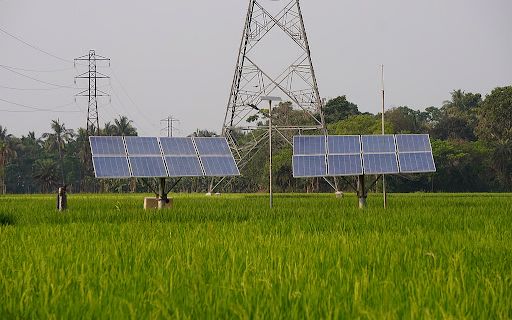
Is Government’s New PM KUSUM Scheme Version Transforming India’s Agri Solar PV Future?
The Government of India is preparing to launch a new version of the PM KUSUM scheme, with a sharper focus on agricultural solar PV components. The initiative aims to expand renewable energy adoption in farming, reduce diesel dependence, and empower farmers with sustainable income opportunities through solar power generation.
Stay Ahead – Explore Now! West Bengal to Invite Tatas but Singur Land No Longer Government Owned
ADVERTISEMENT

Latest Updates

Instamart Inks Growth: Dhanya Hemanth Raj Named Ma...
15 Jun 2026, 11:52 PM
Sri Lanka 'A' Edge India 'A' in Heated Super Over...
15 Jun 2026, 11:47 PM
Mercedes-Benz India Steers Past Headwinds to Fuel...
15 Jun 2026, 11:45 PM
Sanon’s Andheri Asset Action: Family Bags ₹4.6 Cr...
15 Jun 2026, 11:42 PM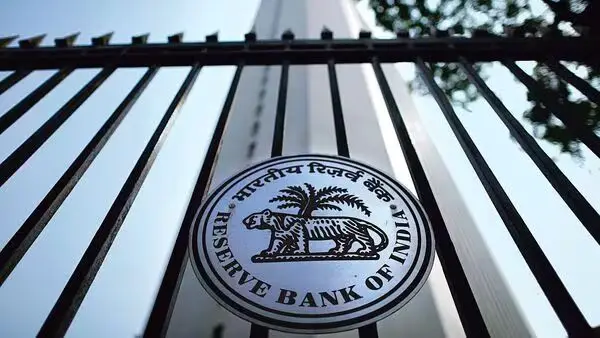
Banking on Trust: RBI Bans Coercive Bundling and A...
15 Jun 2026, 11:39 PMADVERTISEMENT

Top Stories
Instamart Inks Growth: Dhanya Hemanth Raj Named Ma...
15 Jun 2026, 11:52 PM
Sri Lanka 'A' Edge India 'A' in Heated Super Over...
15 Jun 2026, 11:47 PM
Mercedes-Benz India Steers Past Headwinds to Fuel...
15 Jun 2026, 11:45 PM