Jindal Stainless Limited overcame early-quarter production disruptions caused by industrial gas shortages and geopolitical shipping delays. The company reported a robust 7.69 billion rupee net income for the first quarter of 2027, showcasing operational resilience and strong domestic demand across key infrastructure and automotive sectors.
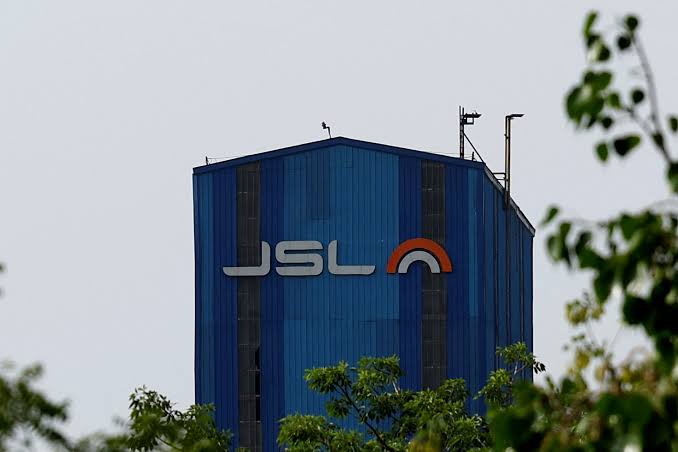
NEW DELHI — Jindal Stainless Limited (JSL), India’s premier stainless steel manufacturer, faced significant operational challenges during the initial weeks of the first quarter of fiscal year 2027 as disruptions in the availability of industrial gases hindered production. The company, which plays a pivotal role in India’s industrial landscape, cited geopolitical tensions in West Asia as the primary driver behind the supply chain bottlenecks that impacted its manufacturing processes.
The shortage of critical inputs—specifically propane, liquefied petroleum gas (LPG), and natural gas—forced the company to move to a "rationalised capacity" level earlier this year. Unlike conventional steel manufacturing, which generates a portion of its energy requirements internally through coke oven gases, the stainless steel sector’s reliance on a scrap-based production method creates a structural dependence on external industrial gas supplies.
Overcoming Supply Chain Disruptions
The disruption in the supply of industrial gases emerged as a consequence of wider maritime trade bottlenecks. Heightened tensions in the Strait of Hormuz led to the rerouting of cargo vessels, which significantly extended transit times and increased freight and insurance costs for fuel imports.
According to management, the company had to navigate these constraints by optimizing its operational footprint. While the initial weeks of the quarter were marked by these logistical pressures, the company’s latest financial disclosures reveal a resilient recovery. Jindal Stainless reported a net income of 7.69 billion rupees for the first quarter, representing a 7.7% increase year-over-year. This performance, announced on August 3, 2026, exceeded market expectations as the company managed to stabilize its production cycles despite the earlier volatility.
Strategic Operational Management
The industrial gas crisis highlighted the vulnerabilities inherent in the global supply chain for high-end manufacturing. To mitigate these risks, Jindal Stainless has focused on increasing its downstream capabilities and diversifying its sourcing strategies.
"The stainless steel industry’s scrap-based production route is heavily dependent on industrial gases," Managing Director Abhyuday Jindal noted during the height of the supply concerns. The company has continued to emphasize the need for clearer government guidance on fuel allocation to ensure that essential industries can maintain stability during periods of geopolitical uncertainty. Despite these challenges, the firm’s commitment to operational excellence has allowed it to maintain its growth trajectory in domestic markets, driven by robust demand in sectors such as infrastructure, electric vehicles, and defense.
Official Sources
Financial and operational data regarding the Jindal Stainless Limited performance is based on disclosures filed with the National Stock Exchange of India (NSE) and BSE Limited. Further context regarding the industrial gas shortages was addressed in company press releases dated May 4, 2026, and subsequent regulatory updates.
Quote Section
"The quarter witnessed energy-related constraints emerging amid geopolitical uncertainties affecting West Asia, a key sourcing region for industrial fuels such as propane/LPG and natural gas that are critical to stainless steel manufacturing," stated officials in the company’s recent financial results summary.
Why It Matters
The ability of a major entity like Jindal Stainless to navigate fuel shortages is a bellwether for India’s industrial sector. As the country pushes for self-reliance in manufacturing, the stability of input chains—ranging from industrial gases to raw materials—remains a critical factor for both large conglomerates and the broader network of micro, small, and medium enterprises (MSMEs) that depend on steady steel production.
Key Facts at a Glance
Quarterly Growth: Jindal Stainless reported a net income of 7.69 billion rupees for Q1 2027, a 7.7% year-over-year increase.
Operational Challenge: Initial weeks of the quarter saw production scaled back due to industrial gas shortages caused by West Asia supply chain disruptions.
Sector Dependency: Stainless steel manufacturing is uniquely dependent on external LPG, propane, and natural gas compared to conventional blast-furnace steelmaking.
Revenue Performance: Quarterly revenue reached 112.8 billion rupees, surpassing analyst expectations.
FAQ
Why does Jindal Stainless require more industrial gas than other steelmakers?
Jindal Stainless utilizes a scrap-based production route, which does not generate internal energy gases like coke oven gas, necessitating a higher reliance on external fuels.
What caused the disruption in industrial gas availability?
The disruption was primarily caused by shipping bottlenecks in the Strait of Hormuz due to geopolitical tensions in West Asia, delaying fuel imports.
Has the company recovered from the supply disruptions?
Yes, despite the initial challenges in the first weeks of the quarter, the company reported strong financial results, indicating a successful stabilization of its production capacity.