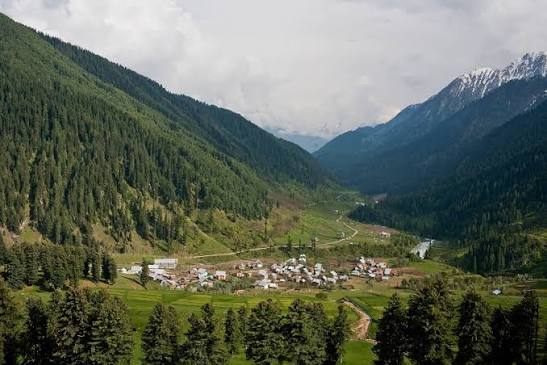
The Jammu and Kashmir government is drafting a new Eco-Tourism Policy, expected within six months, to promote sustainable tourism. The initiative focuses on ecological conservation, carrying capacity regulations, and community empowerment, aligning with national efforts to transition India toward more responsible, low-impact, and community-driven tourism models.
SRINAGAR — The Government of Jammu and Kashmir has officially confirmed that it is in the process of formulating a dedicated Eco-Tourism Policy, which is expected to be finalized and notified within the next six months. The Department of Tourism informed the Assembly Secretariat that the draft policy is currently being refined following extensive consultations with environmental experts, local communities, tourism development authorities, and industry stakeholders.
This initiative aims to create a robust framework for the sustainable utilization of eco-sensitive zones. By regulating tourism activities based on the "carrying capacity" of fragile environments, the government seeks to foster long-term stewardship of the Union Territory's natural resources while promoting community-led tourism models.
A Framework for Sustainable Growth
The proposed policy is designed to address the complex intersection of tourism infrastructure and environmental preservation. According to official documents, the policy will focus on several key pillars:
Conservation of Natural Resources: Establishing guidelines to protect biodiversity in ecologically sensitive areas.
Regulation via Carrying Capacity: Implementing tourism caps to prevent environmental degradation in high-traffic destinations.
Community Empowerment: Integrating local populations—including indigenous groups and women—into the tourism value chain through homestays, guiding services, and local enterprise management.
Sustainable Infrastructure: Aligning tourism development with existing environmental laws and statutory guidelines to minimize ecological footprints.
While the formal policy is pending notification, the Department of Tourism and its subordinate authorities have confirmed that they are already implementing sustainable practices under current environmental directives to ensure that immediate ecological protection remains a priority.
National Context and Strategic Alignment
This development in Jammu and Kashmir aligns with broader national efforts spearheaded by the Union Ministry of Tourism. Under the "National Strategy for Eco-Tourism," India has been working to position itself as a global leader in sustainable travel. Various federal schemes, such as the revamped Swadesh Darshan 2.0, already emphasize tourist-centric infrastructure that encourages the use of renewable energy, eco-friendly materials, and accessible design.
As of mid-2026, the central government has sanctioned over 117 tourism infrastructure projects across India, totaling more than ₹5,700 crore. These projects span diverse segments, including heritage conservation, beach tourism, and eco-tourism, reflecting a national shift toward responsible and resilient tourism models.
Official Sources Section
The information regarding the upcoming policy is based on recent disclosures by the Department of Tourism, Government of Jammu and Kashmir, and reporting on national sustainable tourism initiatives by the Ministry of Tourism, Government of India.
Quote Section
According to officials from the Tourism Department:
"The Department is actively engaged in the formulation of the Jammu & Kashmir Eco-Tourism Policy, which aims to establish a comprehensive framework for the conservation of natural resources, sustainable utilization of eco-sensitive areas, and promotion of community-based tourism."
Why It Matters
For travelers and stakeholders, this policy shift signifies a move toward "low-impact" tourism that preserves the natural beauty of high-demand regions. By formalizing these regulations, the government aims to prevent the displacement of ecological pressure, ensuring that future tourism growth supports the recovery of wildlife populations and empowers the local communities that serve as the primary guardians of these landscapes.
Key Facts at a Glance
Policy Timeline: The J&K Eco-Tourism Policy is expected to be finalized and notified within six months.
Consultative Approach: The draft includes input from environmental experts, Tourism Development Authorities, and local community representatives.
Core Objective: Balancing tourism revenue with the preservation of fragile ecological resources.
National Integration: The policy aligns with India's National Strategy for Eco-Tourism and Sustainable Tourism goals.
FAQ Section
Why is J&K developing a new eco-tourism policy?
The policy aims to create a comprehensive framework to balance tourism development with the conservation of fragile ecological resources and improve community livelihoods.
What will the policy regulate?
It will regulate tourism activities based on ecological carrying capacity and establish standards for waste management, sustainable infrastructure, and community participation.
Are there sustainable practices currently in place?
Yes, the Tourism Department confirmed that it is already implementing sustainable tourism practices in accordance with existing environmental laws and statutory guidelines while the new policy is being drafted.
How does this impact local communities?
The policy prioritizes community participation, enabling local residents to manage tourism-related enterprises like homestays and guiding services to ensure they benefit directly from tourism revenue.
Source: The Northlines, Ministry of Tourism (India)