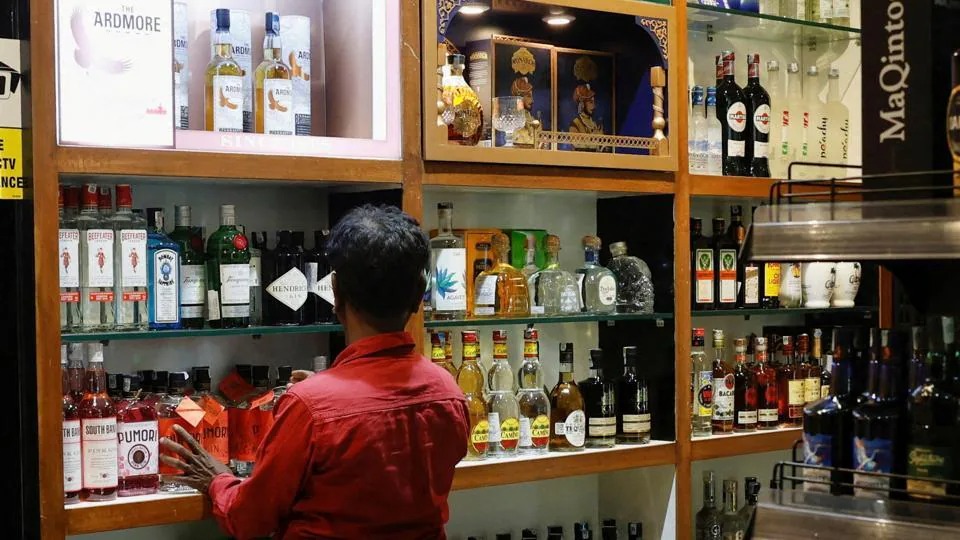
Karnataka has rolled out India’s first Alcohol-in-Beverage (AIB) based liquor tax system, linking excise duty directly to alcohol content instead of bulk volume. The reform, in force from May 11, deregulates government price fixation, rationalises slabs and aims to make taxation more transparent, predictable and aligned with global best practices.
Karnataka’s new excise framework replaces a six decade old bulk litre system with AIB based taxation, making it the first Indian state to do so. The move is expected to reshape pricing of beer, wine and spirits, influence consumer behaviour and give alcohol manufacturers more flexibility in a key market.
New Tax Mix For Old Spirits
Under the AIB system, excise duty is pegged to the percentage of alcohol in each beverage, rather than the total bulk volume. This aligns Karnataka with international “alcohol content” taxation standards and reduces distortions where low strength drinks were taxed similarly to stronger ones.
The government has also rationalised Indian Made Liquor (IML) slabs, cutting them from 16 to eight, while implementing the new rates across retail liquor shops, bars and outlets from May 11. Officials argue this will simplify administration, improve revenue mobilisation and make the system more predictable for industry.
More Freedom For Manufacturers, New Signals For Consumers
A major shift is the removal of government administered price fixation, with producers now allowed to position their brands within prescribed slabs based on market strategy and alcohol content. This effectively deregulates retail pricing within a structured excise grid, giving companies greater room to premiumise and differentiate products.
For consumers, beer and wine could see relative relief compared to high strength spirits, as lower alcohol content attracts lower duty. Policy experts note that linking tax to alcohol content can encourage a shift towards lower strength beverages over time, while improving transparency and fairness in how different categories are treated.
Alcohol-In-Beverage Policy Highlights
- First AIB based excise duty system implemented in India from May 11, 2026
- Excise duty now directly linked to alcohol content rather than bulk litre volume
- IML slabs reduced from 16 to eight under the revised framework
- Government price fixation removed, producers can decide placement within price slabs
- Beer and wine expected to benefit relatively, supporting premiumisation and global best practice adoption
Sources: Hindustan Times, Business Standard, Times Now, The News Minute, Times of India, Reuters, The New Indian Express and The Hindu BusinessLine