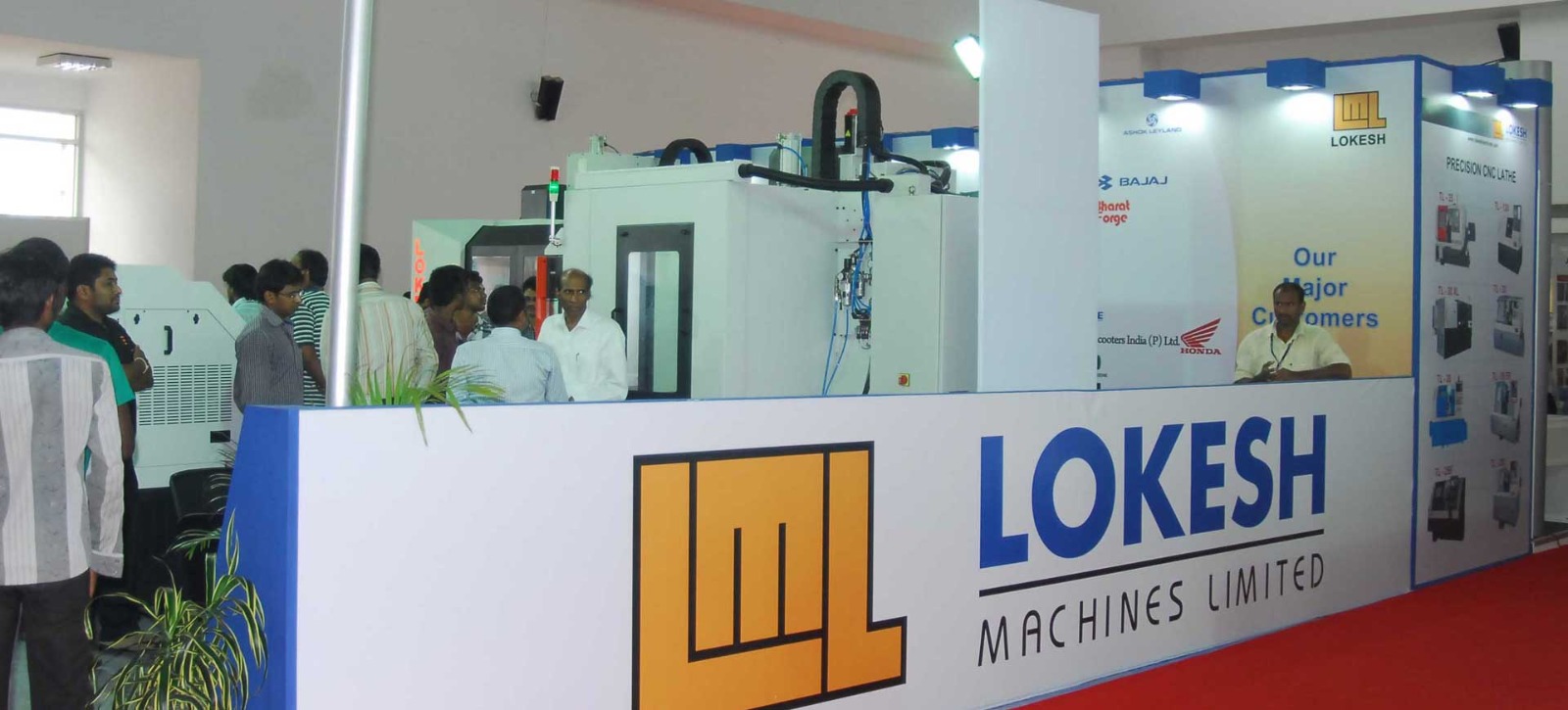
The United States Treasury has fully removed Lokesh Machines Limited from its OFAC sanctions list, unblocking all company property and frozen asset structures. The complete administrative delisting resolves compliance risks, clearing the path for the Hyderabad-based manufacturer to restore its Tier-1 global automotive and defense contracts.
HYDERABAD, INDIA — The United States Department of the Treasury's Office of Foreign Assets Control (OFAC) has officially removed Indian machine tool and defense manufacturer Lokesh Machines Limited from its Specially Designated Nationals and Blocked Persons (SDN) List.
The regulatory milestone, finalized through an administrative update in Washington, orders the immediate unblocking of all property, capital reserves, and transactional interests belonging to the company that were previously frozen within US jurisdictions. The formal delisting concludes an intense, multi-month administrative appeal process spearheaded by the company's international legal counsel. The removal clears a major geopolitical bottleneck for the Hyderabad-headquartered enterprise, fully restoring its operational standing within the global automotive supply chain and international defense commerce.
Background: Administrative De-escalation and Legal Reconsideration
Lokesh Machines Limited was originally placed under secondary US sanctions on October 30, 2024, under Executive Order 14024. The initial designation was tied to broad compliance sweeps tracking specialized computer numerical control (CNC) equipment distribution routes. The inclusion on the SDN list meant the company was effectively barred from accessing international banking networks using the SWIFT messaging system or processing transactions denominated in US dollars.
Following the designation, Lokesh Machines initiated an active administrative defense. Operating through specialized international law firms, the company engaged directly with OFAC regulators to verify its strict end-user compliance protocols. After reviewing extensive transactional records, shipping logs, and corporate transparency declarations submitted throughout late 2025, the US Treasury determined that the company satisfied all conditions required for a complete removal of restrictions.
Commercial Impact: Restoring Tier-1 Automotive and Defense Contracts
The imposition of the SDN listing in late 2024 had caused immediate domestic disruptions. Because Indian blue-chip corporations maintain significant commercial ties to Western markets, multiple long-term clients were legally required to suspend their supply agreements to avoid secondary sanctions risks. Most notably, automotive giant Mahindra & Mahindra (M&M) discontinued its longstanding engine block sourcing contracts with Lokesh Machines, a disruption that impacted roughly 8% of the manufacturer’s baseline annual revenue.
With the removal of the sanctions and the unblocking of all associated assets, Lokesh Machines can legally re-engage with prominent Tier-1 domestic and international automotive partners. The decision resolves compliance concerns for major manufacturing clients, paving the way for a recovery in the company's core machine tool components division. Concurrently, the delisting protects the company's expanding aerospace and defense division, which made headlines recently after successfully developing and delivering the "ASMI" 9x19mm submachine gun to the Indian Army's Northern Command.
Official Sources Section
The administrative removal, unblocking notices, and updated compliance codes detailed in this industrial briefing were verified through public records published on the US Department of the Treasury Sanctions List Search Portal under Program Code [RUSSIA-EO14024]. Corporate impact data and legal filing updates match historical disclosures filed pursuant to Regulation 30 of the Securities and Exchange Board of India (SEBI) Regulations, 2015, across the compliance databases of the National Stock Exchange of India (NSE) and the Bombay Stock Exchange (BSE).
Quote Section
"According to officials tracking international trade compliance frameworks, the definitive removal from the SDN list highlights the effectiveness of using formal administrative petitions when backed by clear, auditable logistics tracing data."
Why It Matters
For industrial manufacturing firms in emerging economies, this administrative resolution serves as an important precedent. It proves that the US Treasury provides a functional legal path for administrative correction when companies provide transparent evidence of compliance. For public equity investors tracking Lokesh Machines (NSE: LOKESHMACH), the delisting eliminates severe operational risks, unblocks frozen banking paths, and enables the enterprise to participate again in global defense tenders and high-value export orders.
Key Facts at a Glance
Complete Unblocking: All assets, property, and corporate interests are fully unblocked by the US Treasury.
Sanctions Removal: Formally delisted from the US OFAC Specially Designated Nationals (SDN) List.
Legal Path: The resolution follows extensive information submittals and a formal questionnaire response completed in late 2025.
Supply Chain Restored: Clears compliance hurdles for major Tier-1 automotive and industrial buyers to resume procurement.
Defense Focus Protected: Guarantees stable execution for indigenous military weapons programs, including the ASMI submachine gun project.
Frequently Asked Questions
Why was Lokesh Machines Limited placed on the US SDN list originally?
The company was listed in October 2024 under Executive Order 14024 during a broad US Treasury review targeting global trade routes for automated machine tools and CNC components.
What does the unblocking of property actually mean for the company?
It means any assets, banking channels, or international transaction balances that were frozen within US jurisdictions or financial institutions are returned to the company's full control, allowing normal global business operations to resume.
Can major automotive companies resume business with Lokesh Machines now?
Yes. Because the company has been entirely removed from the SDN list, domestic and international companies face no secondary sanctions risks and can legally resume normal purchasing agreements.
Source: United States Office of Foreign Assets Control Recent Actions Database, National Stock Exchange of India Corporate Announcement Repository.