Former trustee Mehli Mistry has challenged a 1.42 crore Rupee fee received by Tata Trusts Chairman Noel Tata from Tata Sons, demanding it be returned to the trust. The move intensifies an internal governance battle over whether corporate nominee fees can be kept personally by public charity administrators.
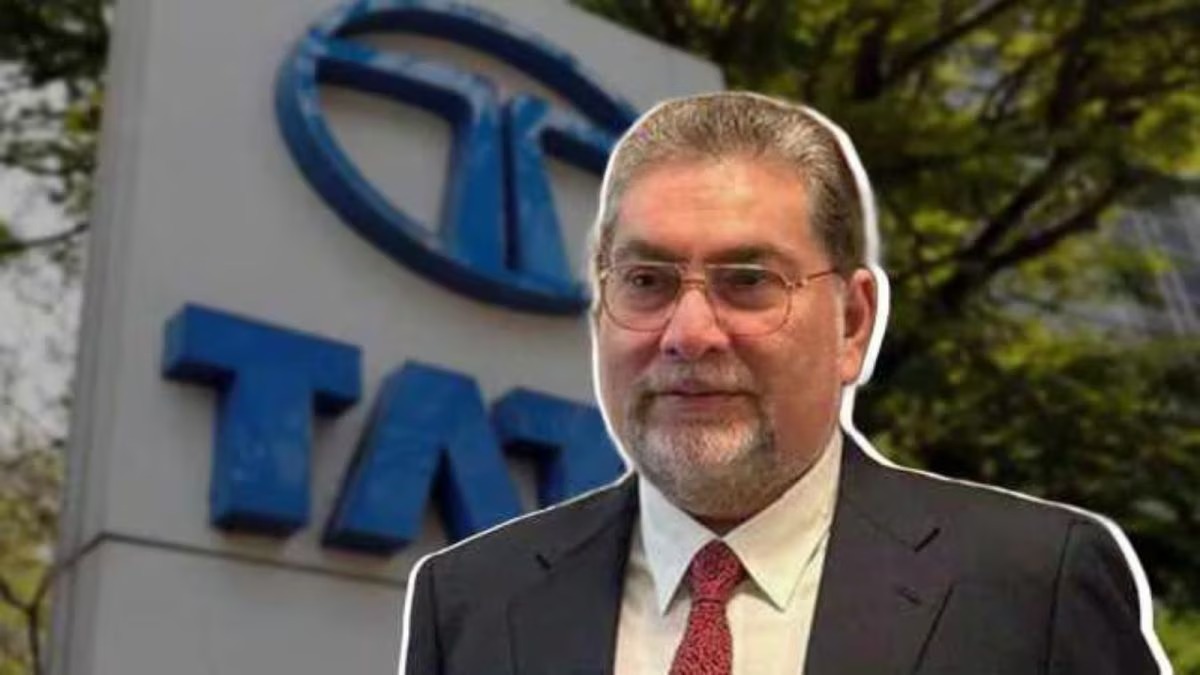
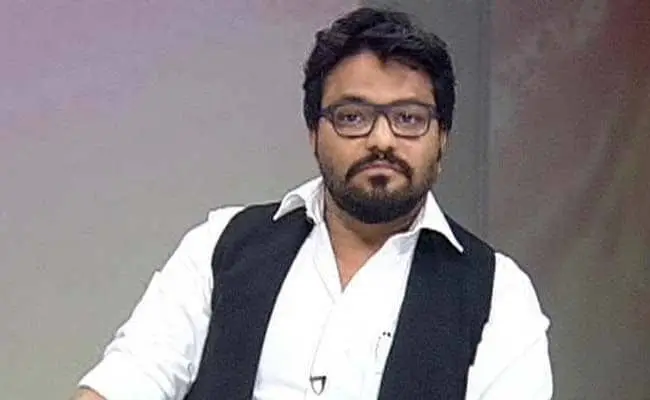
MUMBAI, India — The internal governance dispute within India's most prominent philanthropic entity deepened on Monday, June 8, 2026, as former trustee Mehli Mistry formally challenged the financial remuneration received by Tata Trusts Chairman Noel Tata. In an official complaint filed with corporate monitors and charity regulators, Mistry flagged a 1.42 crore Rupee fee distributed to Noel Tata by holding entity Tata Sons, demanding that the full sum be returned to the trust's public charitable reserves.
The development unfolded during consecutive board meetings of the Tata Education and Development Trust (TEDT) and the Sir Dorabji Tata Trust (SDTT) in Mumbai. The challenge targets the legal boundary separating non-profit public trustees from generating independent personal commissions through their nominee positions on commercial board panels.
Technical Challenges to Nominee Remuneration
The core of Mistry’s legal challenge rests on an alleged breach of fiduciary duty and strict conflict-of-interest parameters governing public charitable trusts in Maharashtra. According to the comprehensive objection filed with regional regulatory offices, Mistry argues that any commission, sitting fee, or financial remuneration earned by a trustee serving as a nominee director on commercial operating boards must legally accrue back to the trust rather than be retained personally.
The specific 1.42 crore Rupee segment forms part of a broader systemic challenge initiated by Mistry, who represents the M Pallonji Group. In parallel legal filings submitted before the Maharashtra Charity Commissioner, Mistry has also objected to change reports filed by the Sir Ratan Tata Trust (SRTT). Those interventions allege distinct governance lapses, challenging historical commissions totaling over 20 crore Rupees collected by other prominent trustees—including former administrative figures Vijay Singh and Venu Srinivasan—via their roles inside major corporate affiliates like Tata Advanced Systems and Jaguar Land Rover.
Board Churn Reaches Affiliated Philanthropies
The ripple effects of this high-profile boardroom divide are actively shifting leadership across affiliated institutions. The dispute intensified following an internal voting deadlock that effectively blocked Mistry’s formal reappointment to the primary boards of both SDTT and SRTT.
Following his removal from the central bodies, Mistry resigned his position from the board of the Small Animal Hospital in Mumbai—a 165 crore Rupee state-of-the-art tertiary veterinary facility initiated as a flagship project by the late Ratan Tata. Mistry’s departure triggered a series of exits from the veterinary facility's panel, including Breach Candy Hospital Chief Executive Officer Dr. Anirudh Kohli, and Shantanu Naidu, who served as a long-time personal aide to Ratan Tata.
Concurrently, during Monday's TEDT meeting, Mistry drew on his own voluntary exit to directly challenge why Venu Srinivasan and Vijay Singh should continue sitting on affiliated sub-bodies, such as the Tata Indian Institute of Skills and the Tata Cancer Care Foundation, given that their core terms as main trustees ended last month. According to institutional sources, Chairman Noel Tata deferred taking an immediate stance on the matter, noting that the administration would evaluate the legalities at a future date.
Impact on Investors and Public Charity Systems
For institutional equity investors backing publicly traded Tata group operating firms, the continuing friction presents a prolonged transparency and oversight overhang. Although Tata Sons has insulated its immediate operational businesses—such as Tata Motors and Tata Consultancy Services—from the direct legal scuffles, the dispute underscores a structural debate regarding who controls the ultimate 66% voting block of the group's holding company.
For the public charity sector, the resolution of this case will set a critical legal precedent in India. It defines whether corporate nominee boards can remain a source of personal income for public trust administrators, or if those financial flows must be completely diverted into social welfare programs.
Official Sources Section
The metrics regarding the 1.42 crore Rupee fee allocation, the 165 crore Rupee infrastructure funding for the Small Animal Hospital, and formal boardroom minutes are outlined according to corporate meeting disclosures and regulatory filings submitted to the Office of the Maharashtra Charity Commissioner on June 5 and June 8, 2026.
Quote Section
According to people familiar with the internal legal briefs submitted during the Monday trust proceedings:
"The argument being advanced is anchored strictly on precedent. If an individual is placed on a commercial board solely by virtue of representing a public charitable block that owns 66% of the company, any subsequent financial commission or director fee belongs to the public trust's corpus. Retaining those funds personally presents an unresolvable breach of fiduciary expectations."
Why It Matters
This high-level dispute changes how public charities interface with massive industrial conglomerates. Because Tata Trusts holds a massive majority stake in India's largest business conglomerate, its internal rules dictate how billions of dollars in commercial wealth are managed and spent on philanthropy. Ensuring clear boundaries between personal director fees and public trust funds is vital for maintaining the tax-exempt status and ethical standing of large non-profit institutions.
Key Facts at a Glance
Financial Dispute: Mehli Mistry flags a 1.42 crore Rupee fee paid to Noel Tata by Tata Sons, calling for its full return to the trust.
Wider Claims: The challenge targets over 20 crore Rupees in past director commissions pocketed by various institutional trustees over a ten-year cycle.
Boardroom Fallout: Internal voting standoffs have blocked key trustee reappointments, forcing an administrative reshuffle.
Hospital Churn: The friction triggered a wave of exits at the 165 crore Rupee Small Animal Hospital, including its CEO and top project managers.
Regulatory Stance: The Maharashtra Charity Commissioner is reviewing objections to determine if mid-term corporate fees violate public trust acts.
FAQ Section
Why does Mehli Mistry want the 1.42 crore Rupee fee returned?
Mistry argues that because Noel Tata sits on the board of Tata Sons as a direct nominee representing the philanthropic trusts, any financial commissions or director sitting fees resulting from that post should go directly into the public charitable pool instead of being kept as personal income.
What is the relationship between Tata Trusts and Tata Sons?
Tata Trusts is a collection of philanthropic organizations that collectively hold a dominant 66% equity stake in Tata Sons. Tata Sons operates as the principal holding company and promoter for all major commercial Tata Group businesses, including steel, automotive, and technology enterprises.
How does the Maharashtra Public Trusts Act affect this situation?
The Maharashtra Public Trusts Act sets strict parameters regarding how public charities operate and how their trustees are appointed. Recent amendments have placed clear caps on lifetime trustees, which has fueled the current legal debate over whether certain reappointments and votes cast by long-standing members remain valid.
Source: Office of the Maharashtra Charity Commissioner Filings, Tata Education and Development Trust Board Minutes, Sir Dorabji Tata Trust Financial Grant Disclosures.