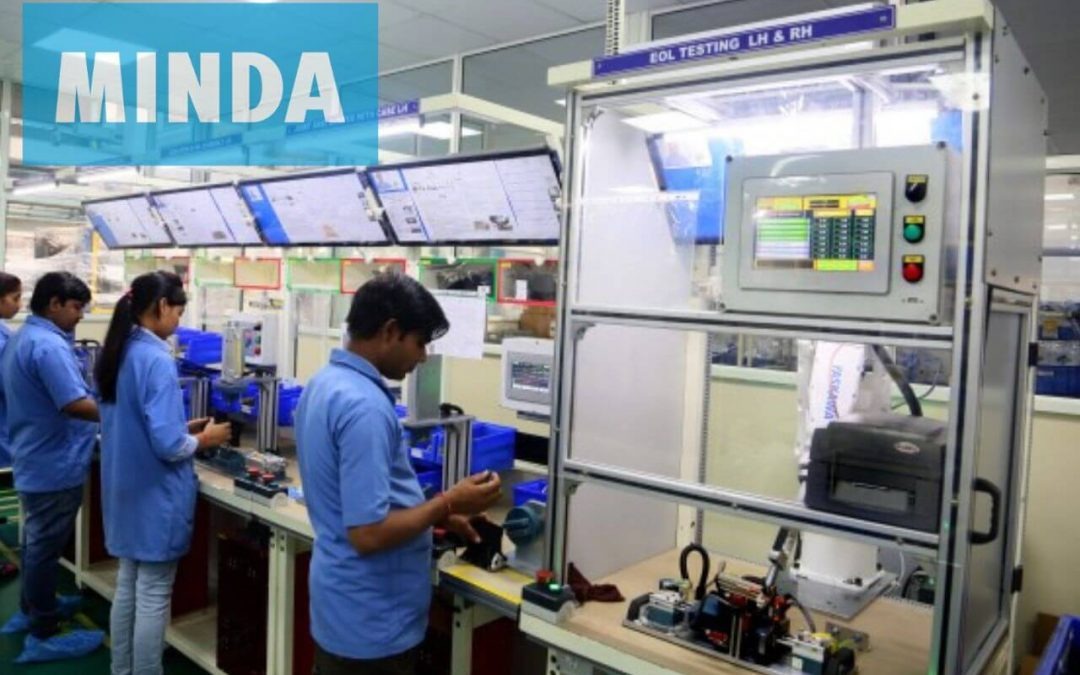
Minda Corporation Limited has issued short-term commercial paper totaling 1 billion Indian rupees ($INR$). The corporate debt instrument is directed toward optimizing the company's immediate working capital framework and funding supply chain operations, reflecting strong institutional credit access and strategic liquidity management within the domestic automotive component sector.
Minda Corporation Limited has finalized the allotment of commercial paper totaling an aggregate amount of 1 billion Indian rupees ($INR$). The debt placement, executed in accordance with domestic regulatory guidelines, highlights the automotive component manufacturer's tactical focus on leveraging low-cost short-term debt instruments to maintain optimal fiscal agility.
Strategic Mobilization of Working Capital
The decision by Minda Corporation Limited to issue commercial paper totaling 1 billion rupees reflects an industry-wide trend where large industrial manufacturing operations raise short-term, unsecured debt rather than conventional bank lines. By deploying this corporate paper instrument, the company secures highly competitive interest rates compared to traditional term financing.
According to institutional debt market data, the funds raised via this commercial paper issuance will be explicitly routed toward managing seasonal working capital mismatches, funding immediate inventory cycles, and meeting localized operational expenses. This capital allotment ensures that its tier-1 supply agreements with leading original equipment manufacturers (OEMs) stay frictionless.
Strengthening Automotive Infrastructure Credit
Financial sector analysts note that a corporate entity's capability to raise 1 billion rupees swiftly through commercial paper is directly tied to its domestic credit rating. Minda Corporation has consistently maintained strong short-term debt credit ratings from local rating agencies, signaling transparent financial health and robust cash flow resilience.
For equity investors and institutional debt lenders, the issuance confirms that the corporation retains strong access to capital markets despite broader capital expenditure strains across the global automotive ecosystem. This financial move comes as vendors adapt to evolving electric vehicle (EV) components localization demands under domestic manufacturing mandates.
Official Sources Section
The financial parameters of this commercial paper allotment were formalized in regulatory compliance briefs filed directly with the National Stock Exchange of India (NSE) and the Securities and Exchange Board of India (SEBI) under the listed company framework for material debt disclosures.
Quote Section
"According to officials close to the treasury desk, the deployment of this commercial paper format allows the corporation to precisely calibrate its operational borrowing costs while preserving institutional credit reserves for future strategic expansions."
Why It Matters
Commercial paper issuances function as a barometer for both corporate liquidity demands and credit market health. For institutional investors, this short-term paper offers a highly secure investment avenue backed by a prominent automotive market leader. On a corporate scale, it demonstrates how top-tier manufacturing organizations proactively reduce their interest expenditure by dynamically balancing their short-term and long-term liabilities.
Key Facts at a Glance
Total Issuance Volume: Minda Corporation issued commercial paper totaling an aggregate value of 1 billion Indian rupees ($INR$).
Primary Objective: Capital proceeds are entirely dedicated to backing short-term working capital needs and general corporate liquidity.
Instrument Architecture: Unsecured, short-term promissory note structure issued directly to commercial institutional investors.
Regulatory Oversight: Reported in compliance with disclosure frameworks overseen by the National Stock Exchange of India (NSE).
FAQ Section
What is commercial paper, and why does Minda Corporation use it?
Commercial paper is an unsecured, short-term debt instrument issued by corporations to raise capital for a period typically under one year. Minda Corporation utilizes it because it provides a lower-interest alternative to bank overdrafts for running daily factory operations.
How does a 1 billion rupee issuance affect general equity shareholders?
Short-term commercial paper does not dilute company equity because it does not create new stock shares. Instead, it temporarily structures short-term liabilities efficiently, which can boost net profitability by lowering interest outlays.
Who typically purchases these commercial paper instruments?
These instruments are predominantly subscribed to by institutional entities, including mutual funds, scheduled commercial banking units, insurance firms, and high-net-worth corporate investors seeking highly rated short-term returns.
Source: National Stock Exchange of India (NSE), Securities and Exchange Board of India (SEBI), Corporate Treasury Allotment Logs.