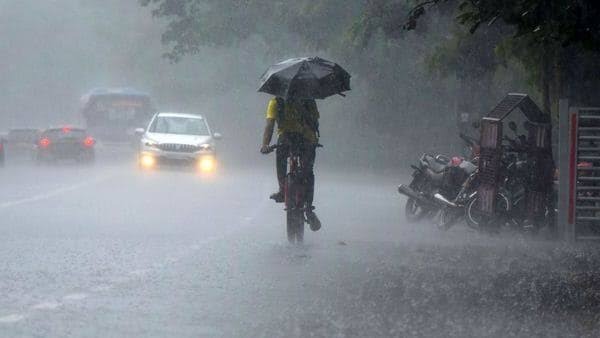
India's August rainfall fell 16% below average, marking a three-year low driven by El Nino conditions and pushing the seasonal monsoon deficit to 14%. The dry spell threatens agricultural yields, reservoir levels, and rural incomes heading into the final stretch of the monsoon season.
India's August rainfall dropped 16% below average, marking its lowest level in three years and widening the national monsoon deficit.
NEW DELHI — India's August rainfall was recorded at 16% below the historical average, marking the lowest levels seen in three years as the persistent El Nino weather pattern suppressed monsoon activity across the country. According to data released by the India Meteorological Department (IMD) on Monday, August 31, 2026, the sharp monthly shortfall widened the cumulative seasonal monsoon rainfall deficit to 14%, increasing from 13% at the end of July. The broader weather downturn highlights growing stress on agricultural yields, soil moisture levels, and national water reservoirs as the four-month monsoon season approaches its final phase.
Impact of El Nino on Seasonal Monsoon Progress
The resurgence of dry conditions throughout August followed a brief recovery observed during July. According to IMD data, the seasonal progression has been severely impacted by unusually warm sea surface temperatures in the central and eastern equatorial Pacific.
Agricultural economists and weather analysts note that August represents a critical window for crop maturation across major agricultural belts. The current deficit threatens summer-sown (kharif) crops, including cotton, soybean, corn, and pulses. Furthermore, reduced precipitation risks depleting sub-soil moisture reserves required for upcoming winter-sown (rabi) crops such as wheat and rapeseed.
Regional Disparities and Economic Implications
While isolated regions in eastern India observed steady precipitation, large swaths of central, western, and southern states experienced prolonged dry spells during the peak monsoon month. Government officials indicate that sustained deficits could elevate food inflation, reduce rural incomes, and constrain overall economic growth in rural markets dependent on agrarian output.
Energy demands have also escalated as lower reservoir levels constrain hydro-power generation, forcing state utilities to rely more heavily on thermal power grids. Policymakers are closely monitoring reservoir capacities ahead of the winter sowing season to mitigate potential supply chain shocks.
Official Sources Section
Statistical figures and meteorological evaluations were compiled and published by the India Meteorological Department (IMD) and reported via official government weather updates and news wire dispatches.
Quote Section
"According to officials, the strengthening El Nino pattern has disrupted normal wind patterns across the subcontinent, leading to suppressed rainfall activity during the core monsoon months."
Why It Matters
A widening seasonal rainfall deficit carries direct implications for agricultural productivity, rural purchasing power, and food price stability. For farmers, reduced water availability threatens harvest yields, while consumers face potential inflationary pressures on essential food commodities. For energy sectors and policymakers, low reservoir levels complicate power generation and irrigation management.
Key Facts at a Glance
India's August rainfall dropped 16% below the long-term average, marking a three-year low.
The cumulative seasonal monsoon deficit widened to 14% by the end of August, up from 13% in July.
The El Nino weather pattern was cited by meteorologists as the primary driver behind the suppressed precipitation.
Critical summer-sown crops face yield pressures due to inadequate soil moisture during maturation phases.
Frequently Asked Questions
What was the overall rainfall deficit for August?
India's August rainfall was recorded at 16% below the historical average.
How has the seasonal monsoon deficit changed?
The seasonal deficit widened to 14% by the end of August, compared to 13% at the close of July.
Which weather phenomenon caused the rainfall shortfall?
Meteorologists attributed the suppressed monsoon activity to the strengthening El Nino climate pattern.
Which crops are most vulnerable to the August dry spell?
Summer-sown kharif crops, including soybean, cotton, corn, and pulses, face heightened risks due to reduced soil moisture.
Source: India Meteorological Department (IMD), Reuters