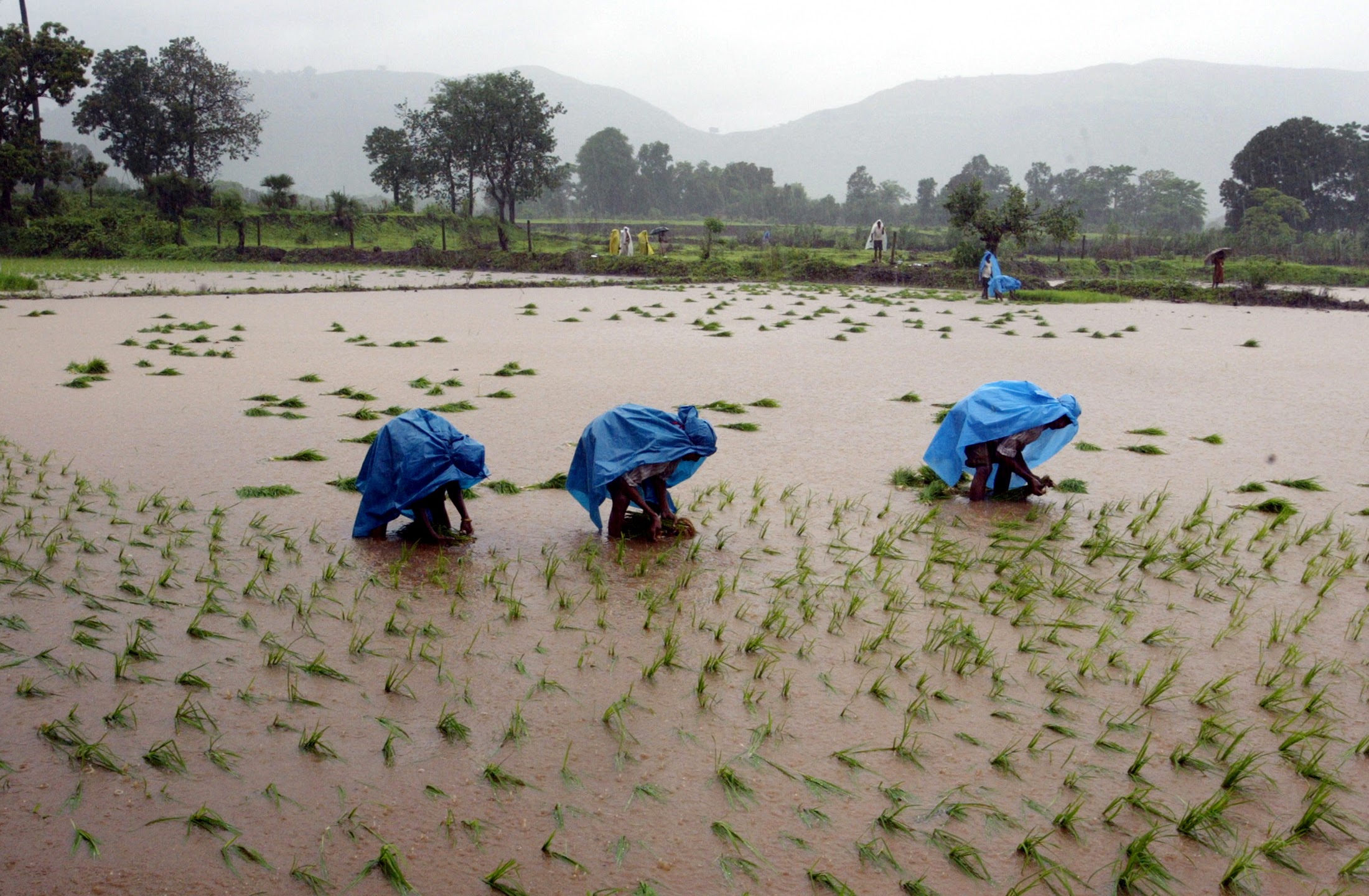
India's erratic monsoon pattern is threatening summer crops and straining the national power grid. The alternating cycles of intense local cloudbursts and sudden dry heat waves have disrupted essential Kharif sowing while pushing peak power demand toward a record 260 GW due to soaring urban cooling and rural irrigation needs.
NEW DELHI, India — India's highly erratic "yo-yo" monsoon season is presenting severe multi-sectoral structural challenges today, July 20, 2026, threatening key summer crop yields and pushing the national electrical infrastructure to its operational limits.
The India Meteorological Department (IMD) has documented extreme geographical and temporal variations, characterized by intense, localized cloudbursts closely followed by prolonged, dry heat spells across primary agrarian states. This alternating pattern of flooding and sudden dryness is disrupting the standard sowing cycles for critical Kharif crops while simultaneously forcing the national power grid to handle unprecedented surges in cooling and irrigation demands.
Agricultural Vulnerability: Sowing Squeezed by Weather Shifts
The core of India’s summer agricultural output relies heavily on the southwest monsoon, which delivers over 70 percent of the nation's annual rainfall. However, the current seasonal distribution has left key farming regions struggling against unequal extremes.
According to agricultural data monitored by the Ministry of Agriculture and Farmers Welfare, the weather swings are impacting production across several core areas:
Paddy Field Disruptions: Major rice-producing regions in Punjab, Haryana, and Uttar Pradesh are managing an unpredictable mix of intense downpours and sudden dry dry spells, forcing farmers to repeat expensive transplanting cycles.
Oilseeds and Pulses Lag: Crucial rain-fed crop zones in Madhya Pradesh and Maharashtra have experienced extended dry intervals, slowing down the optimal sowing window for soybeans and pulses.
Valuation Risks: Continued delays or damage to early-stage Kharif crops could reduce raw domestic yields, potentially triggering food price inflation across standard consumer markets.
Power Grid Vulnerability: Heat Spells Drive Peak Demand
When the monsoon enters a dry phase, the sudden drop in rainfall triggers an immediate double-sided challenge for energy infrastructure. Clear skies cause regional temperatures to spike rapidly, which drives massive, concurrent cooling demands from urban household sectors.
Concurrently, rural farming operations are forced to run heavy electric tube wells continuously to keep their fields watered during dry spells. Data from the Ministry of Power indicates that the combined demand from urban air conditioning and rural irrigation pumps has pushed India's peak electricity demand close to a record 260 gigawatts (GW). This concentrated load strains long-distance transmission networks, forcing grid operators to purchase expensive spot power to prevent localized load shedding.
Macro Economic Stability and Resource Balancing
The structural volatility of the monsoon is forcing state planners to carefully balance public resources. While the union government has maintained healthy coal buffers at primary thermal stations to keep the power grid stable, uneven rainfall patterns complicate hydro reservoir replenishment.
Sustained variations in summer crop production could also require the Ministry of Consumer Affairs, Food and Public Distribution to extend existing trade restrictions on essential grains to protect domestic supplies, impacting international commodity trade flows.
Official Sources Section
According to official weather updates published by the India Meteorological Department and daily power load bulletins managed by the Power System Operation Corporation (Grid-India), systemic metrics indicate that while cumulative nationwide rainfall appears near normal on paper, localized deficits remain highly concentrated.
Quote Section
"According to officials tracking regional agricultural data, the primary concern this season is the lack of steady, predictable rainfall," noted a senior macro-commodity research specialist. "When a month's worth of rain falls in just three days, it causes severe soil erosion and crop flooding without helping the long-term water table. The subsequent dry heat waves then force a massive drop in soil moisture, leaving the power grid to step in and handle heavy irrigation pumping loads."
Why It Matters
For regular consumers, industrial businesses, and capital investors, a highly volatile monsoon translates directly into higher operational costs. Erratic weather patterns increase daily grocery expenses by driving up fruit and vegetable prices, while placing an extra financial burden on businesses via higher energy costs. Managing these climate-driven swings is vital to keeping inflation low and ensuring regular power supplies for both urban communities and manufacturing plants.
Key Facts at a Glance
Geographic Variations: The ongoing southwest monsoon is showing extreme volatility, combining destructive local flooding with sudden, extended dry spells.
Grid Load Peaks: Total peak power demand has climbed toward a record 260 GW, driven by urban cooling needs and rural farming irrigation pumps.
Sowing Delays: Sowing timelines for vital summer crops like rice, pulses, and oilseeds face disruption from uneven rainfall schedules.
Price Pressures: Extended shifts in crop output are keeping food inflation risks elevated across major domestic retail channels.
FAQ Section
Why is a "yo-yo" monsoon worse for crops than a simple rainfall deficit?
Alternating cycles of intense flooding and severe dryness damage young seedlings through submersion, while failing to provide the steady, long-term soil moisture needed for strong crop growth.
How does dry weather during the monsoon strain the electrical grid?
When rainfall drops, temperatures rise quickly, sparking a massive jump in urban air conditioning use while forcing farmers to run heavy electric water pumps to irrigate dry fields.
Where can the public view official, updated rainfall maps?
Real-time regional accumulation maps, localized satellite images, and district-level farming advisories are updated daily on the data clearinghouse of the India Meteorological Department.
Source: India Meteorological Department Monitored Updates, Ministry of Power Grid Load Bulletins, Ministry of Agriculture Kharif Sowing Status Report.