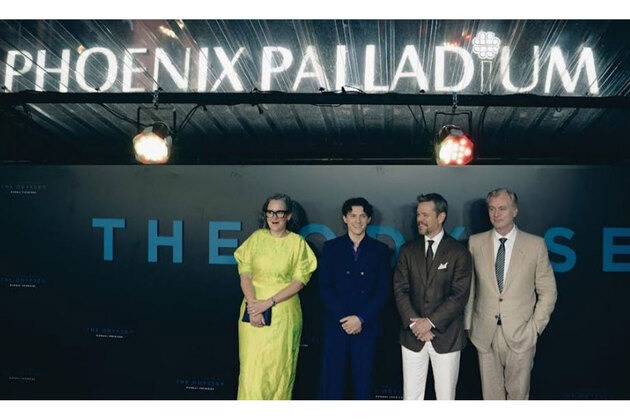
India’s luxury retail landscape is undergoing a structural shift driven by affluent consumer demand and experiential real estate developments. Phoenix Palladium in Mumbai exemplifies this evolution, combining flagship international luxury brands with curated gastronomy and bespoke concierge services, setting new operational benchmarks for premium commercial centers across major Indian metros.
MUMBAI, India — India's luxury retail sector is experiencing a rapid transformation as premium shopping destinations pivot toward experiential, multi-concept developments to capture growing high-net-worth spending. At the center of this structural shift is Phoenix Palladium in Lower Parel, Mumbai, a landmark commercial destination managed by The Phoenix Mills Limited. By integrating global flagship storefronts, high-end culinary concepts, and personalized hospitality, the destination offers a strategic blueprint for how modern commercial spaces cater to evolving consumer preferences in emerging markets.
The evolution reflects broader economic shifts across urban centers. As disposable income rises and global luxury houses expand their physical footprint across Tier-1 Indian cities, physical retail spaces are evolving beyond transactional commerce into lifestyle hubs designed to increase dwell time and consumer engagement.
Architectural Evolution and Brand Density
Curating Global Luxury Flagships
Phoenix Palladium’s architectural footprint has continuously adapted to meet the stringent spatial standards of international fashion houses. Spanning over one million square feet in Mumbai’s historic textile mill corridor, the complex houses premier global brands including Gucci, Saint Laurent, Bottega Veneta, Jimmy Choo, and Burberry.
To accommodate global retail guidelines, developers redesigned floor layouts to offer double-height facades, high-capacity climate control systems, and specialized security protocols required by top-tier luxury conglomerates like LVMH, Kering, and Richemont.
Beyond Shopping: Integrating Gastronomy and Art
Modern retail transformation relies on multi-sensory engagement. Phoenix Palladium has expanded its footprint to feature fine-dining establishments, artisanal cafes, private VIP lounges, and permanent contemporary art installations.
By offering curated culinary experiences alongside high-fashion boutiques, the mall extends average visitor dwell times—a key metric tracked by real estate investment trusts (REITs) and commercial property analysts.
Economic Drivers Behind India's Luxury Expansion
Institutional Investment and Retail Real Estate Demand
According to industry reports by Knight Frank India and CBRE Asia Pacific, demand for grade-A retail real estate in India continues to outpace available supply. Institutional investors and real estate developers are increasingly allocating capital toward luxury commercial assets to capture premium rental yields and long-term capital appreciation.
The influx of foreign direct investment (FDI) in single-brand retail has further catalyzed market growth, encouraging international luxury labels to establish direct subsidiary operations or long-term joint ventures within premier shopping centers.
Impact on Consumers, Businesses, and Investors
The structural shift in physical retail generates direct benefits across the commercial ecosystem:
Consumers: Access to exclusive brand collections, VIP trunk shows, direct-to-consumer customization services, and dedicated concierge assistance without traveling abroad.
Businesses: Domestic and foreign retailers achieve higher sales density per square foot by tapping into concentrated pools of affluent urban shoppers.
Investors: Premium mall operators benefit from higher occupancy rates, long-term lease commitments from marquee tenants, and revenue-sharing lease agreements tied to tenant sales performance.
Official Sources Section
Data, market trends, and corporate operational disclosures referenced in this report are verified through official announcements, corporate filings, and industry research releases:
Official Statement and Market Perspective
"According to official statements from luxury retail developers and industry analysts, India's high-end commercial spaces are transitioning from traditional shopping centers into comprehensive lifestyle destinations," noted market analysts evaluating urban real estate trends. "Developments like Phoenix Palladium demonstrate that physical storefronts remain indispensable for luxury houses seeking to build deep brand affinity among India's expanding affluent demographic."
Why It Matters
Market Growth Signal: Demonstrates the rising purchasing power of domestic urban consumers and the formalization of India's luxury market.
Real Estate Benchmark: Serves as an operational model for upcoming luxury commercial developments in Delhi-NCR, Bengaluru, Hyderabad, and Pune.
Global Investment Magnet: Signals strong market confidence to multinational retail brands planning entry or expansion into South Asian retail markets.
Key Facts at a Glance
Location: Lower Parel, Mumbai, Maharashtra.
Developer/Operator: The Phoenix Mills Limited.
Anchor Segment: High-end luxury, premium fashion, fine dining, and bespoke concierge services.
Key Tenants: Gucci, Bottega Veneta, Saint Laurent, Jimmy Choo, Burberry, and Chanel Beauty.
Industry Trend: Shift toward experiential retail, double-height storefronts, and integrated hospitality.
Frequently Asked Questions (FAQ)
What makes Phoenix Palladium a model for India's luxury retail transformation?
Phoenix Palladium combined international luxury flagships with fine dining, architectural innovation, and personalized services, creating a holistic experience that increases visitor engagement and dwell time.
How are luxury malls in India adapting to changing consumer expectations?
Premium shopping centers are incorporating double-height storefronts, private VIP shopping lounges, curated art exhibitions, and gourmet dining options to offer immersive lifestyle experiences beyond simple transactions.
Which global brands are present at Phoenix Palladium Mumbai?
The destination features major global fashion houses including Gucci, Saint Laurent, Bottega Veneta, Jimmy Choo, Burberry, and specialized boutique concepts from top luxury conglomerates.
Source: The Phoenix Mills Limited | Retailers Association of India (RAI) | Ministry of Commerce and Industry | Knight Frank India