




Loading market data...
ADVERTISEMENT

Latest Top News
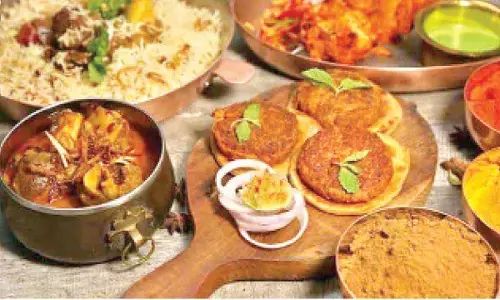
Mughlai And Awadhi Cuisines Continue To Shape North Indian Gastronomy
Mughlai and Awadhi cuisines, born in the royal kitchens of North India, continue to shape Indian gastronomy today. Their influence is seen in rich gravies, aromatic biryanis, kebabs, and festive delicacies that blend Persian techniques with Indian spices. From Lucknow’s Awadhi traditions to Mughal courts, these cuisines remain timeless.
Stay Ahead – Explore Now! Meesho Acquires Kirana Club for ₹2.02 Billion to Boost Network
ADVERTISEMENT

Latest Updates

Instamart Inks Growth: Dhanya Hemanth Raj Named Ma...
15 Jun 2026, 11:52 PM
Sri Lanka 'A' Edge India 'A' in Heated Super Over...
15 Jun 2026, 11:47 PM
Mercedes-Benz India Steers Past Headwinds to Fuel...
15 Jun 2026, 11:45 PM
Sanon’s Andheri Asset Action: Family Bags ₹4.6 Cr...
15 Jun 2026, 11:42 PM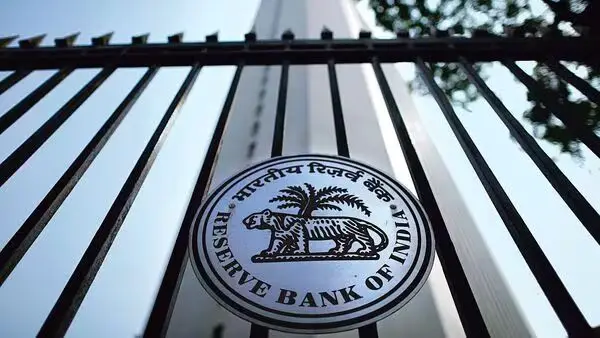
Banking on Trust: RBI Bans Coercive Bundling and A...
15 Jun 2026, 11:39 PMADVERTISEMENT

Top Stories
Instamart Inks Growth: Dhanya Hemanth Raj Named Ma...
15 Jun 2026, 11:52 PM
Sri Lanka 'A' Edge India 'A' in Heated Super Over...
15 Jun 2026, 11:47 PM
Mercedes-Benz India Steers Past Headwinds to Fuel...
15 Jun 2026, 11:45 PM