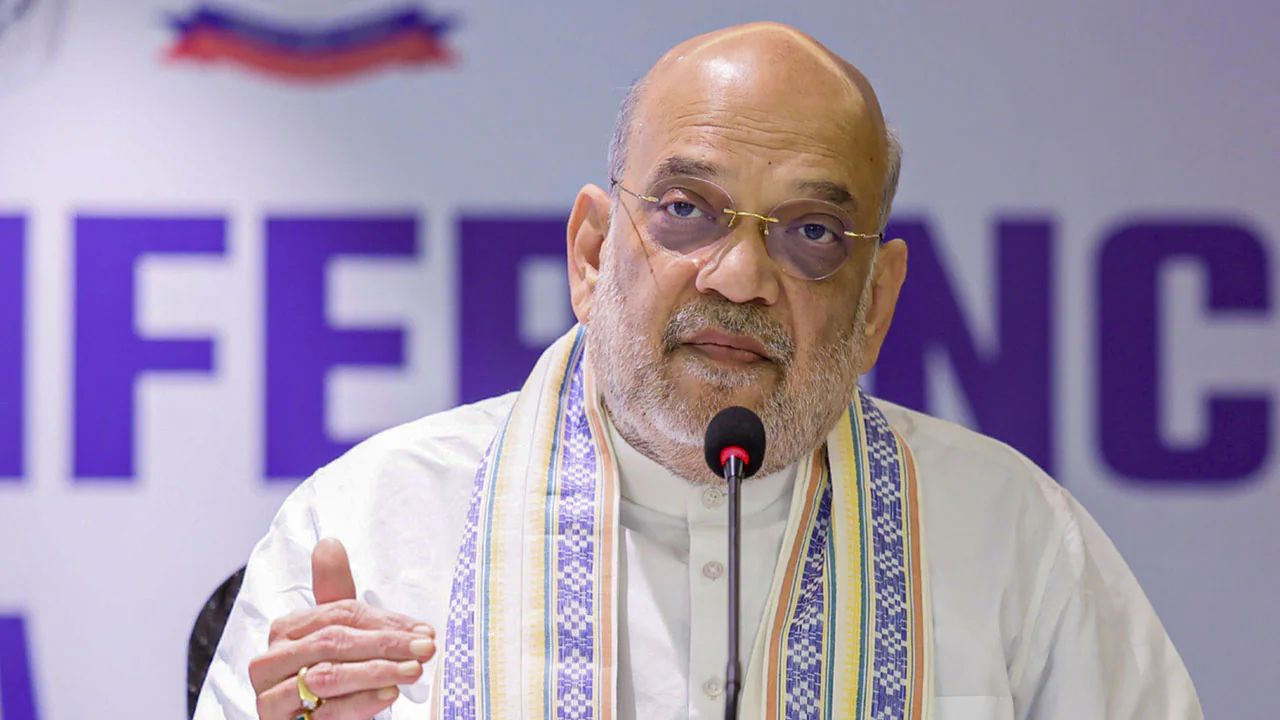
Union Home Minister Amit Shah outlined a comprehensive three-year roadmap targeting a drug-free India by 2029. Speaking on national security and enforcement priorities, Shah stressed a zero-tolerance approach toward synthetic drug syndicates, calling for enhanced inter-agency coordination, rigorous financial investigations, and expanded rehabilitation infrastructure across all states
Backed by official government press releases and home ministry directives, federal authorities have established a strict three-year execution window to dismantle domestic and international narcotics networks.
Laying out an aggressive national security framework, Union Home Minister Amit Shah announced a decisive three-year roadmap aimed at achieving a completely drug-free India by 2029. Disclosed through official announcements from the Press Information Bureau and home ministry briefings, the strategy mandates a synchronized, multi-agency crackdown on synthetic drug trafficking, financial networks, and supply conduits.
Emphasizing that the illegal narcotics trade directly fuels narco-terrorism and undermines the nation's youth, the federal directive instructs all state police forces and central departments to execute time-bound operational reviews and adopt a zero-tolerance policy against drug manufacturers and traffickers.
Evaluating Enforcement Pillars, Synthetic Drug Dangers, and Institutional Targets
Analyzing the operational scope of the 2029 roadmap reveals a structured, four-pillar approach spanning intelligence, prevention, and rehabilitation. According to official government releases and ministry policy documents, key focus areas include:
Ruthless Supply Suppression: Enforcing strict legal penalties without leniency for major cartel operators, financial backers, and logistics coordinators.
Targeting Synthetic Variants: Shifting enforcement paradigms to counter the rapid expansion of synthetic narcotics and modern distribution channels, including darknet and e-commerce platforms.
Forensic and Legal Accountability: Mandating the increased utilization of Forensic Science Laboratories (FSL) to accelerate charge-sheet filings and boost judicial conviction rates.
Expanded Rehabilitation Networks: Scaling up national de-addiction centers and community outreach programs to support individuals affected by substance abuse through a humanitarian lens.
Why It Matters
The practical implications of executing a definitive 2029 timeline directly impact public health, regional security, and youth welfare across the country. For state law enforcement agencies, the mandate provides clearer legal backing, enhanced intelligence-sharing mechanisms, and advanced technological tools to disrupt organized crime syndicates. For families, educational institutions, and healthcare providers, the nationwide expansion of prevention and counseling frameworks offers critical shielding against the socio-economic burdens of addiction.
Key Facts at a Glance
Strategic Target: Achieving a fully drug-free India by 2029.
Announced By: Union Home Minister Amit Shah.
Core Approach: Four-pillar strategy encompassing intelligence enforcement, synthetic drug control, demand reduction, and capacity building.
Enforcement Focus: Strict asset seizures and zero leniency for major drug traffickers and manufacturers.
FAQ Section
What is the primary objective of the government's newly announced roadmap?
The roadmap establishes a strict three-year execution window to completely dismantle narcotics supply chains, target synthetic drug networks, and achieve a drug-free India by 2029.
How does the government differentiate between drug traffickers and drug users?
Under official policy guidelines, zero leniency and ruthless enforcement are applied to those who manufacture or sell narcotics, while a humane, supportive approach is directed toward individuals struggling with addiction.
What measures are being implemented to improve legal conviction rates?
Authorities are mandating increased utilization of Forensic Science Laboratories (FSL) alongside quicker charge-sheet filings to ensure strict legal penalties for arrested traffickers.
Where can citizens verify official government policy updates on the anti-drug campaign?
Official press releases, ministerial briefs, and administrative updates are published regularly through the Press Information Bureau (PIB) Portal.
Source: Press Information Bureau (PIB), News On AIR, ETV Bharat, Times of India