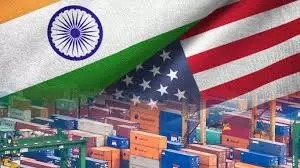
India is set to engage in high-level trade discussions with China on the BRICS summit sidelines while Minister Piyush Goyal prepares for bilateral talks with USTR Jamieson Greer. Concurrently, the India-New Zealand trade pact is slated to take effect next month, boosting market access.
India is preparing for high-level bilateral trade engagements on the sidelines of the upcoming BRICS summit in New Delhi and upcoming ministerial meetings in the United States.
As New Delhi prepares to host the 18th BRICS Summit, senior government officials have indicated that India and China may hold structured bilateral discussions focusing on bilateral commerce and trade cooperation on the sidelines of the multi-nation event. Simultaneously, Indian trade authorities are accelerating diplomacy across Western markets. Union Commerce and Industry Minister Piyush Goyal is scheduled to hold critical bilateral talks with United States Trade Representative (USTR) Jamieson Greer during the upcoming G20 Trade Ministerial engagements. These diplomatic efforts coincide with final preparations for the implementation of the comprehensive India-New Zealand free trade agreement, which is expected to come into force next month.
Advancing Bilateral Trade and Regional Frameworks
The diplomatic push highlights India's dual-track approach to expanding market access and stabilizing supply chains across both emerging and developed economies. BRICS multilateral forums provide an avenue for major developing nations to address cross-border trade friction, digital infrastructure investments, and resilient financial mechanisms.
According to government insiders, prospective dialogue with Beijing on the sidelines of the New Delhi summit aims to normalize commercial bottlenecks, while discussions with U.S. counterparts focus on finalizing trade parameters that secure competitive tariff advantages for Indian merchandise exporters. Furthermore, the imminent operationalization of the India-New Zealand economic pact reinforces New Delhi's commitment to lowering tariff barriers and boosting labor-intensive manufacturing exports globally.
Economic Implications for Exporters and Investors
For domestic manufacturers, exporters, and international investors, these synchronized diplomatic initiatives carry substantial commercial significance. Securing predictable tariff structures through bilateral agreements with Western partners protects Indian competitiveness against regional manufacturing peers.
At the same time, expanding regional trade frameworks within broader coalitions supports steady foreign exchange inflows, enhances supply-chain predictability, and provides long-term revenue visibility for micro, small, and medium enterprises (MSMEs) operating across textiles, engineering, and technology sectors.
Official Sources Section
Policy evaluations, summit schedules, and diplomatic meeting itineraries are based on briefings and official statements released by the Ministry of Commerce and Industry, Government of India and the Ministry of External Affairs, Government of India. Additional international trade context was referenced via the Office of the United States Trade Representative (USTR) and Reuters.
Quote Section
"According to government officials, high-level bilateral discussions scheduled during upcoming international ministerial summits are designed to secure competitive market advantages and expand economic cooperation across key global trade corridors."
Why It Matters
Coordinated trade diplomacy directly influences export profitability, manufacturing job creation, and foreign investment inflows. For businesses and consumers, establishing stable bilateral frameworks ensures lower import-export friction, diversified supply chains, and sustained economic growth.
Key Facts at a Glance
BRICS Engagement: India and China may conduct bilateral trade talks on the sidelines of the New Delhi summit.
US Ministerial Talks: Commerce Minister Piyush Goyal is slated to meet USTR Jamieson Greer during international trade forums.
New Zealand Pact: The comprehensive India-New Zealand free trade agreement is slated to come into force next month.
Strategic Objective: Securing competitive tariff advantages and expanding global market access for Indian exporters.
Frequently Asked Questions
What trade discussions are expected during the BRICS summit sidelines?
Indian and Chinese officials are expected to review bilateral trade and economic cooperation channels during the New Delhi gathering.
What is the focus of Minister Piyush Goyal's meeting with USTR Jamieson Greer?
The discussions center on resolving outstanding bilateral trade agreement details and ensuring tariff parity for Indian goods.
When will the India-New Zealand trade deal take effect?
The agreement is anticipated to officially come into force next month following the completion of domestic ratification procedures.
Where were these diplomatic trade updates announced?
The updates were shared by senior government officials in New Delhi tracking international commerce and treaty implementations.
Source: Ministry of Commerce and Industry, Government of India, Ministry of External Affairs, Government of India, Office of the United States Trade Representative (USTR), Reuters