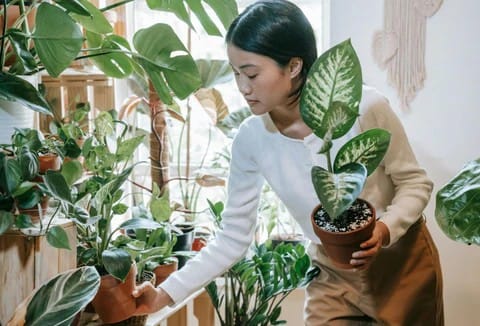
Agricultural researchers have identified metabolic signaling mechanisms and reflective light propagation techniques that optimize plant photosynthesis under shaded conditions. This science helps plants in low light spots grow better by maximizing photon absorption, reducing energy demands for indoor vertical farming, and enabling residential growers to maintain healthy foliage in light-deprived environments.
EAST LANSING, Mich. — Agricultural scientists and botanical researchers have uncovered fundamental biochemical mechanisms and reflective propagation techniques that optimize shade tolerance, a development that helps plants in low light spots grow better across urban indoor farms and residential environments.
The findings—spearheaded by plant biochemistry research teams at Michigan State University and supported by international horticultural trials—demonstrate how targeted spectrum manipulation and metabolic signaling help plants adapt to light-deprived conditions. As urban density increases and indoor agriculture expands to enhance local food security, understanding the physiological triggers that boost photosynthetic efficiency under shade has become a vital priority for agricultural planners and home gardeners alike.
Unlocking Photosynthetic Efficiency Under Low-Light Conditions
For decades, low light levels have presented a primary physical bottleneck for indoor agriculture and home plant care. When light intensity drops below a plant's light compensation point, carbon fixation slows significantly, leading to stem elongation, leaf drop, and stunted growth.
Recent laboratory investigations have revealed that specific metabolic signaling molecules, such as naringenin chalcone (NGC), directly interact with photoreceptors like UVR8 to alter growth signals even in the absence of full-spectrum natural sunlight. By regulating these internal chemical messengers, researchers have demonstrated a practical methodology that helps plants in low light spots grow better without requiring excessive electrical energy for high-intensity supplemental lighting.
In tandem with molecular discoveries, agricultural extension services have validated physical light-diffusing and reflective methods. Utilizing micro-thin reflective aluminum barriers around pot bases and lower canopy foliage redirects ambient photon flux back into the lower leaf surface area. This targeted photon bouncing stimulates stomatal opening on lower leaves, an approach that directly helps plants in low light spots grow better by maintaining active transpiration and nutrient movement.
Impact on Urban Farming, Commercial Agriculture, and Consumers
The integration of advanced light-signaling science into commercial horticulture carries substantial economic and operational implications:
Commercial Indoor Farms: Vertical farms and commercial greenhouses can reduce overall energy consumption by lowering artificial lighting intensity while utilizing spectrum-optimized treatments to maintain crop yield.
Urban Consumers: Apartment dwellers and office workers with limited access to direct southern exposure can sustain healthy indoor greenery and kitchen herb gardens with minimal specialized equipment.
Resource Sustainability: Optimizing photon utilization reduces municipal electricity draw for commercial hydroponic operations, aligning controlled-environment agriculture with urban sustainability goals.
Field observations confirm that combining selective LED spectrum wavelengths with reflective ground covers increases chlorophyll retention in shaded leaves, ensuring that a strategic combination of physical and light-based management helps plants in low light spots grow better over multi-month growing cycles.
Official Sources Section
Data and research conclusions cited in this report originate from published findings and official statements issued by:
Michigan State University (MSU) Department of Biochemistry and Molecular Biology
Royal Horticultural Society (RHS) Science & Gardens Directorate
Physiologia Plantarum Academic Journal
U.S. Department of Agriculture (USDA) Agricultural Research Service
Quote Section
Regarding the broader potential of light-signaling adjustments in commercial applications, lead researchers emphasized the practical value of controlling plant photoreceptors.
"In the future, this mechanism could be exploited to fine-tune plant growth, development, and stress responses," stated Erich Grotewold, MSU Research Foundation professor in the Department of Biochemistry and Molecular Biology. "This could lead to crops with improved tolerance to light stress and more efficient use of light energy, without relying solely on environmental modifications."
According to officials at horticultural research centers, applying these insights alongside accessible light-reflection techniques actively helps plants in low light spots grow better across both commercial and residential settings.
Why It Matters
As urbanization concentrates populations in multi-family dwellings with restricted natural lighting, the ability to cultivate greenery indoors impacts both food self-sufficiency and indoor environmental quality. For commercial growers, optimizing crop response under minimal light inputs translates directly into reduced utility expenditures, lower carbon footprints, and improved margin stability in controlled-environment agriculture.
Key Facts at a Glance
Molecular Signaling: Researchers identified that small metabolic molecules like NGC interact with UVR8 photoreceptors to regulate growth under low light conditions.
Energy Savings: Enhancing low-light photosynthetic efficiency enables vertical farms to reduce artificial lighting wattage while preserving yield targets.
Reflective Technique: Placing simple reflective surfaces at pot bases redirects ambient light to under-canopy foliage, an accessible step that helps plants in low light spots grow better.
Broad Application: Techniques apply to both commercial food production (leafy greens, herbs) and residential indoor foliage.
Frequently Asked Questions (FAQ)
How does light management help plants in low light spots grow better?
Adjusting specific light spectrums and using reflective surfaces allows leaves receiving indirect light to absorb scattered photons more effectively, maintaining active photosynthesis and preventing leaf loss.
Can household items like aluminum foil assist low-light plant growth?
Yes. Placing reflective materials around the base of pots or plant trays reflects scattered room light onto lower leaf surfaces, which helps plants in low light spots grow better by maximizing available photon exposure.
Which plant varieties benefit most from low-light optimization techniques?
Shade-tolerant tropical houseplants (such as pothos, snake plants, and ZZ plants) as well as culinary herbs in kitchen setups benefit significantly when low-light management strategies are applied.
Does artificial lighting completely replace natural sunlight for indoor plants?
Full-spectrum LED grow lights engineered to deliver specific light wavelengths can effectively substitute for natural sunlight, driving complete photosynthetic cycles for indoor plants.
Sources: Michigan State University Research Foundation, Royal Horticultural Society Research Division, Physiologia Plantarum Publishing