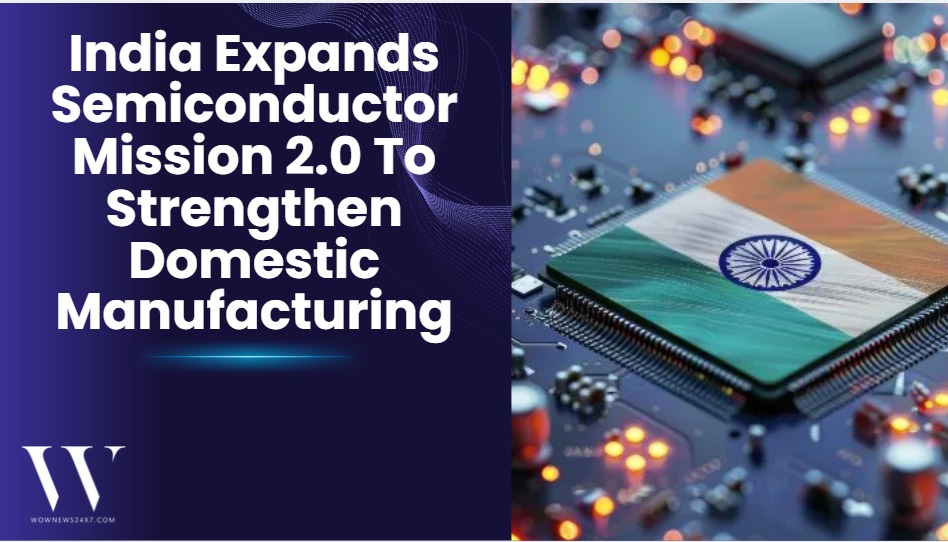



Global technology companies are intensifying efforts to design and manufacture advanced semiconductor chips in 2026. Driven by rising demand for AI, automotive, healthcare, and energy applications, firms are investing heavily in chiplet-based designs, supply chain resilience, and domestic production capabilities. Governments are also supporting initiatives to secure technology sovereignty.
Semiconductors At The Core Of Innovation
Semiconductors are the backbone of modern technology, powering everything from smartphones and laptops to electric vehicles and medical devices. With AI adoption surging, the need for high-performance chips has grown exponentially. Industry leaders emphasize that next-generation chips will be critical to sustaining innovation across multiple sectors.
India’s Semiconductor Mission 2.0
India has expanded its Semiconductor Mission to strengthen domestic capabilities in design, manufacturing, and R&D. The initiative focuses on equipment, materials, and supply chain resilience, positioning India as a global hub for electronics manufacturing. Recent developments include Micron Technology’s new assembly and packaging facility in Gujarat, highlighting India’s growing role in the global semiconductor ecosystem.
Chiplet-Based Design And Global Competition
Companies like Tata Consultancy Services (TCS) are introducing chiplet-based system engineering services to accelerate advanced chip design. This modular approach allows faster, more powerful chips to be developed, supporting industries that require high computational efficiency. The global race for semiconductor supremacy is intensifying, with firms in the U.S., Taiwan, South Korea, and India competing to lead innovation.
Geopolitical And Supply Chain Factors
The semiconductor industry is also shaped by geopolitical dynamics. Trade policies, national security concerns, and government investments are reshaping supply chains. Countries are prioritizing domestic production to reduce reliance on imports, ensuring resilience against disruptions. This shift underscores the strategic importance of semiconductors in both economic and security contexts.
Key Highlights
-
Global demand for advanced chips driven by AI and innovation
-
India expands Semiconductor Mission 2.0 with new facilities
-
TCS introduces chiplet-based design services for faster chip development
-
Geopolitical shifts push countries toward domestic semiconductor production
-
Semiconductors remain critical across automotive, healthcare, and energy sectors
Sources: PwC Semiconductor Outlook 2026, Fortune India, India Semiconductor Mission