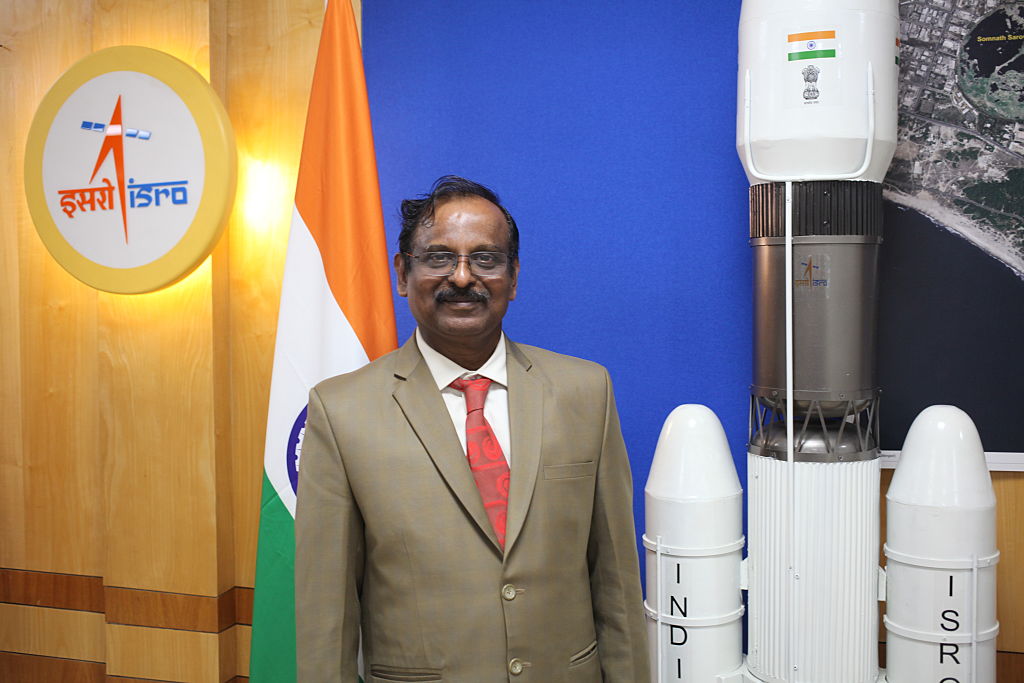





ISRO Chairman V. Narayanan announced India will establish its own space station by 2035, with the first module launching in 2028. The Bharatiya Antariksh Station will support human spaceflight, scientific research, and commercial collaborations, positioning India as a global space leader as the ISS retires and new orbital platforms emerge.
India is preparing to take a giant leap in its space journey. The Indian Space Research Organisation (ISRO) has announced that the country will establish its own space station by 2035, marking a historic milestone in India’s ambition to become a global space power.
Key Highlights
Timeline revealed: ISRO Chairman V. Narayanan confirmed that the first module of the Bharatiya Antariksh Station (BAS) will be launched in 2028, with the full station expected to be operational by 2035.
Human spaceflight synergy: The announcement comes alongside progress on the Gaganyaan mission, India’s first human spaceflight program, scheduled for 2027. The space station will serve as a natural extension of India’s human space exploration roadmap.
Scientific potential: The BAS will enable long-duration experiments in microgravity, advanced research in materials science, medicine, and space technology, while also supporting India’s aspirations for deep-space missions.
Commercial opportunities: ISRO plans to leverage the station for international collaborations and commercial launches, strengthening India’s position in the global space economy.
Strategic importance: Narayanan emphasized that the station will be a self-sustaining ecosystem, reducing reliance on foreign facilities like the International Space Station (ISS), which is set to retire in the coming decade.
Broader Significance
The announcement underscores India’s long-term vision for space exploration, moving beyond satellite launches and lunar missions to building permanent infrastructure in orbit. With the ISS nearing retirement and China already operating its Tiangong station, India’s entry into the league of nations with independent orbital platforms is both symbolic and strategic.
For Indian scientists, the BAS will open new avenues for cutting-edge research. For policymakers, it represents a step toward energy security, defense preparedness, and global leadership in space diplomacy. And for the public, it is a moment of pride, reflecting how far India has come since its first rocket launch in 1963.
Sources: EdexLive, Times of India, The Week, The Hindu