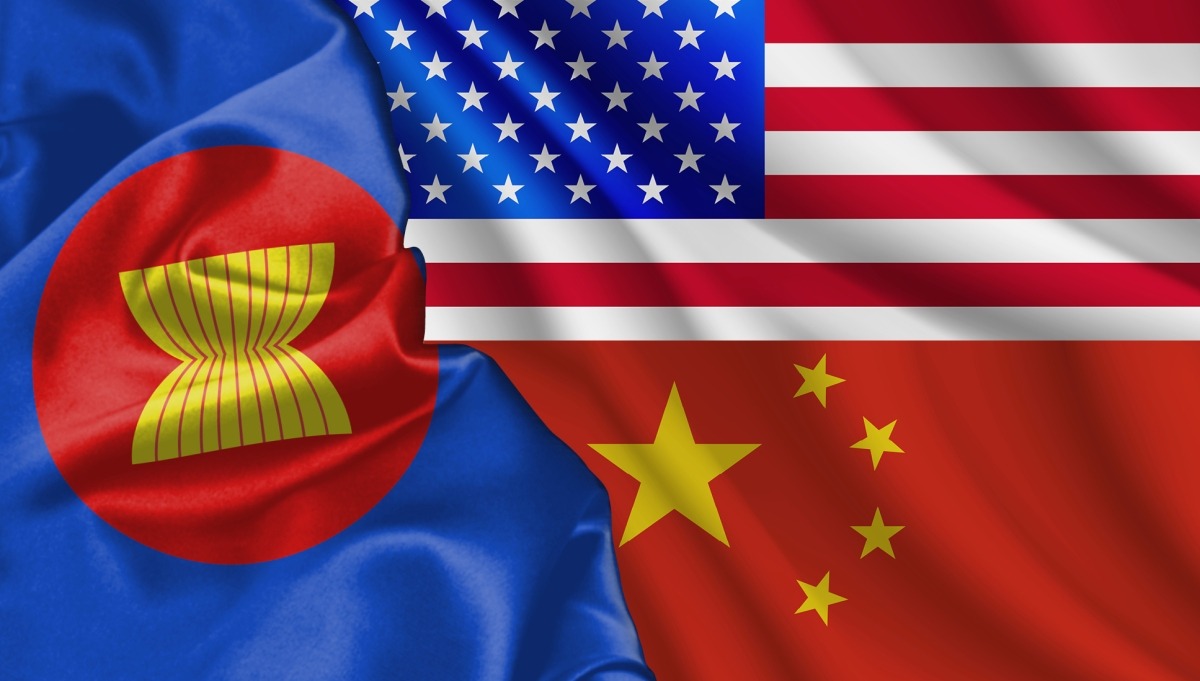







As China seeks to reduce its economic dependence on the United States, it is increasingly turning its attention southward to Southeast Asia. The Belt and Road Initiative has seen China invest over $180 billion in ASEAN infrastructure projects, reshaping the region's economic landscape. Chinese exports to ASEAN countries have surpassed those to the U.S. and EU since 2023, with ASEAN becoming China's primary export market. However, this pivot is not without challenges. Southeast Asian nations are diversifying their own economic partnerships to avoid over-reliance on China, while Beijing recalibrates its approach with smaller, more targeted projects. This strategic shift reflects China's efforts to navigate global economic uncertainties and geopolitical tensions.
Source: South China Morning Post, McKinsey & Company