







Follow WOWNEWS 24x7 on:


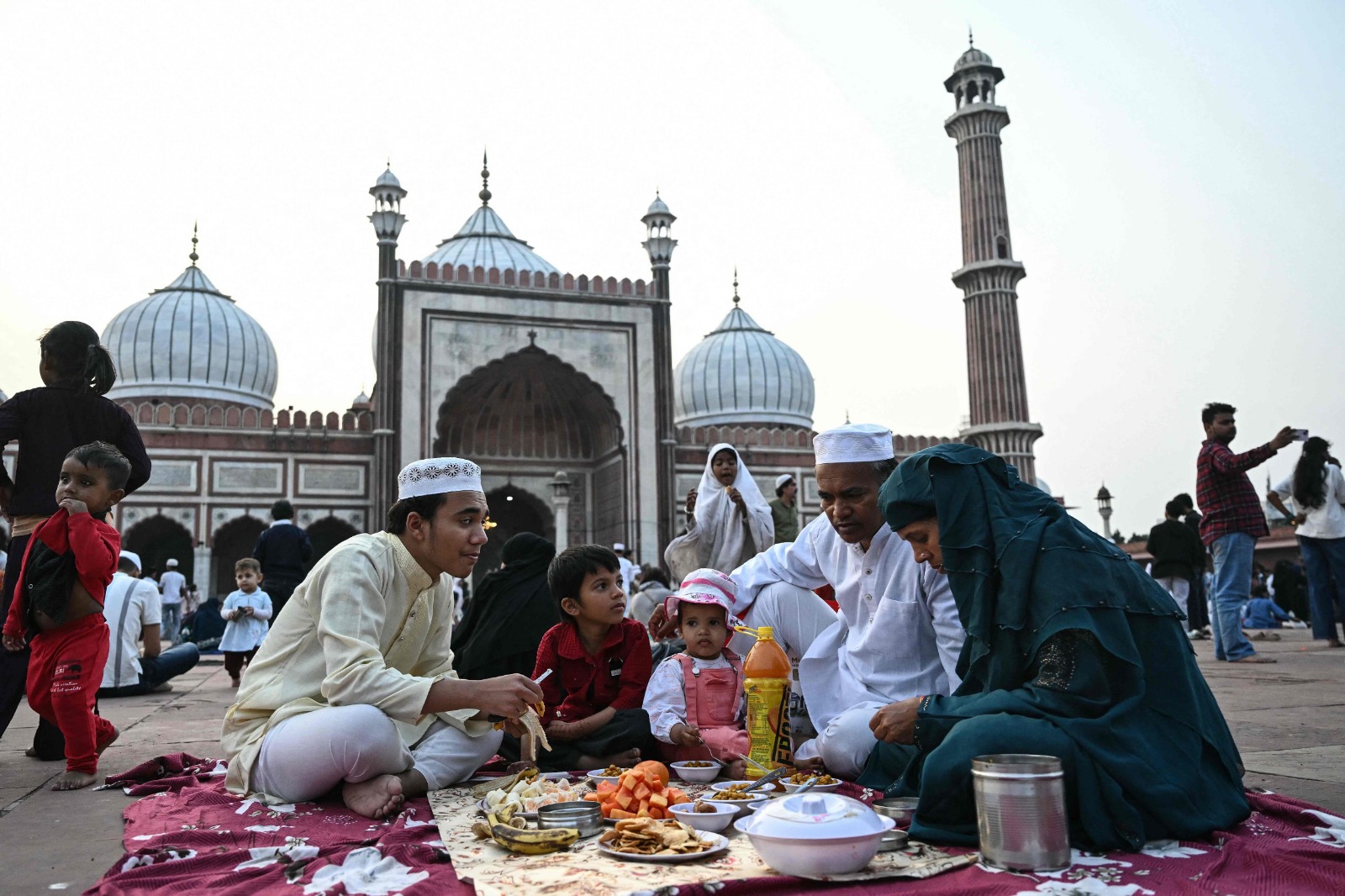
Muslims across India are observing Ramadan 2026 with daily Sehri and Iftar rituals. The holy month, which began on February 19, emphasizes devotion, self-discipline, and compassion. Families gather at sunset to break their fast, reinforcing traditions of unity, prayer, and spiritual renewal across diverse communities.
Show moreStay Ahead – Explore Now! Fadnavis Announces ₹23,487-Crore Metro Line To Gateway Of India With Underground Tunnel Network



Updated: March 13, 2026 19:04

Updated: March 12, 2026 20:29

Updated: March 11, 2026 17:41











Follow WOWNEWS 24x7 on:





Copyright 2024 WOWNEWS 24x7. All rights reserved. The WOWNEWS 24x7 is not responsible for the content of external sites. Read about our approach to external linking.
Powered By Just Imagine
