
India's manufacturing sector is going through a revolutionary transformation, challenging China's long-standing dominance in world supply chains. A new innovation by an Indian entrepreneur has the potential to alter the cost of production and competitiveness of India and China. For the first time ever, an Indian business has matched China's cost of production of small plastic-based devices, a sign of India's industrial revolution.
This success highlights India's increasing capabilities in industries such as pharmaceuticals, automobiles, software, and now consumer durables. The entrepreneur revealed that after months of searching through mold designs and product prices, their firm realized that it could manufacture appliances with more than 60% plastic content at the same price it would cost to import them from China. This is not a symbolic victory but one that shows India can compete globally and cut reliance on Chinese imports.
The declaration has initiated broad-ranging conversations regarding India's manufacturing maturity. While some are hopeful that India can increase production and extend backward integration to not only match but exceed China's prices, others are concerned regarding the maturity of the ecosystem. Detractors cite impediments such as the lack of injection molding facilities, tooling capacity, and industrial design skills that may slow India from competing globally.
India's trade deficit in merchandise is a cause for concern, having been at $22.99 billion in January 2025, with the majority of imports coming from China. This reliance puts India at risk of disruption of supply chains by way of geopolitical tensions or trade barriers. Electronics, chemicals, and machinery are sectors most dependent on upstream components imported from China for export. The cultural predisposition towards the imported product also dictates consumer preference. Indian consumers still prefer foreign brands to domestic brands, even though the quality and the service of Indian producers have increased. Changing this mindset will be crucial for India to be able to maximize its manufacturing gains.
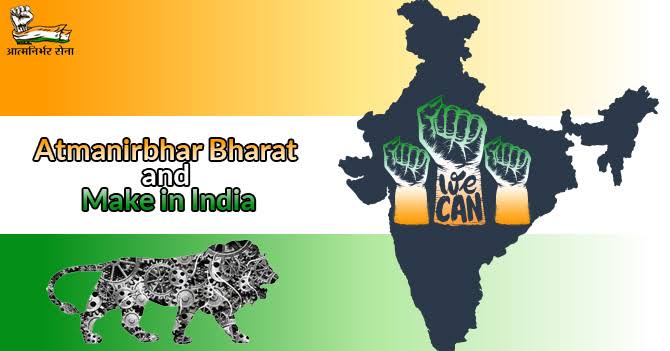
Prime Minister Narendra Modi's "Make in India" policy is meant to boost local production and lower import dependence. Although some steps have been initiated, experts opine that India needs to overcome the structural issues in its manufacturing sector to become a credible challenger to China in industrial prowess. Technology investments, infrastructure, and human resource development are the pillars to follow self-reliance and economic security.
As India grapples to place itself in the world, with balancing economic engagement with China while minimizing dependence being an even finer task, policymakers have to strike a balance between national security needs and economic policy to experience sustainable growth and the ability to absorb external shocks.
The entrepreneur's own words—"If we are able to compete with China's price, why import?"—reflect this change. It speaks of increasing confidence among Indian manufacturers that they are not only able to compete in the domestic market but also internationally. The road ahead may not be easy, but through policy reforms and savvy investment, India can become a leading force in global manufacturing.
Source: Business Today