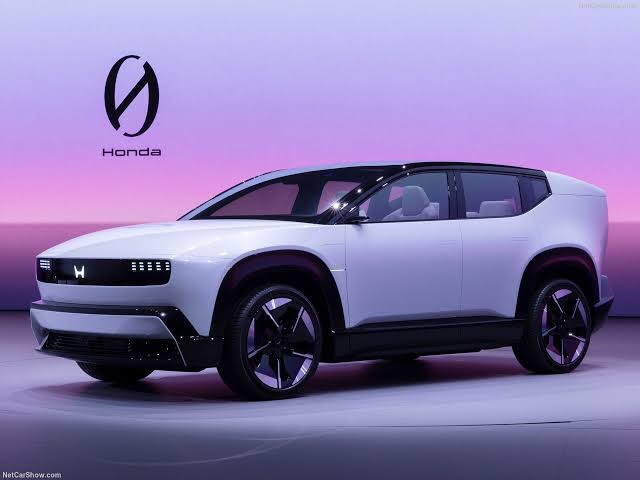
Honda has abruptly cancelled its next-generation electric vehicles, including the 0 Series SUV and Saloon for North America, citing weak electric vehicle demand and potential long-term losses. The decision reflects broader market challenges, yet the company remains committed to its Alpha SUV for India, signaling optimism in emerging markets. This strategic pivot prioritizes hybrids while rethinking EV investments globally.
Honda's announcement marks a significant recalibration in its electrification roadmap, driven by softening EV sales worldwide. The Japanese automaker highlighted recent business environment shifts, including regulatory changes and intensified competition, as key factors. Despite the pullback, growth prospects in India keep the Alpha SUV on track for a potential early 2027 debut.
Reasons for Cancellation
Persistent weak demand for electric vehicles in major markets like the U.S. prompted Honda to halt three key models: the 0 Series SUV, 0 Series Saloon, and Acura RSX crossover. Easing fossil fuel regulations and reduced federal EV incentives have eroded profitability, while aggressive Chinese EV startups with advanced software and rapid development cycles heighten competition. Honda anticipates that proceeding would exacerbate financial losses amid its 2050 carbon neutrality goals.
India-Focused Optimism
The 0 α (Alpha) SUV, positioned as an entry-level offering in Honda's 0 Series, stays greenlit for India. Expected pricing ranges from Rs 17-30 lakh ex-showroom, it underscores Honda's bet on high-growth regions. This move aligns with plans to bolster its Indian lineup amid global EV slowdowns.
Hybrid Strategy Surge
Honda is doubling down on hybrids to navigate uncertainties, reassessing U.S. EV spending while expanding hybrid models across Asia. This hybrid emphasis aims to enhance competitiveness without abandoning electrification entirely.
Key highlights
-
Cancellation of 0 Series SUV, Saloon, and Acura RSX due to market shifts and losses
-
Alpha SUV for India confirmed, launch eyed for early 2027 at Rs 17-30 lakh
-
U.S. EV demand slowed by regulations, incentives cuts, and China competition
-
Shift to hybrids; Asia expansion planned for next-gen models
Sources: AutoX.com, Autocar India, Reuters
Sources: AutoX.com, Autocar India, ReutersHonda's announcement marks a significant recalibration in its electrification roadmap, driven by softening EV sales worldwide. The Japanese automaker highlighted recent business environment shifts, including regulatory changes and intensified competition, as key factors. Despite the pullback, growth prospects in India keep the Alpha SUV on track for a potential early 2027 debut.
Reasons for Cancellation
Persistent weak demand for electric vehicles in major markets like the U.S. prompted Honda to halt three key models: the 0 Series SUV, 0 Series Saloon, and Acura RSX crossover. Easing fossil fuel regulations and reduced federal EV incentives have eroded profitability, while aggressive Chinese EV startups with advanced software and rapid development cycles heighten competition. Honda anticipates that proceeding would exacerbate financial losses amid its 2050 carbon neutrality goals.
India-Focused Optimism
The 0 α (Alpha) SUV, positioned as an entry-level offering in Honda's 0 Series, stays greenlit for India. Expected pricing ranges from Rs 17-30 lakh ex-showroom, it underscores Honda's bet on high-growth regions. This move aligns with plans to bolster its Indian lineup amid global EV slowdowns.
Hybrid Strategy Surge
Honda is doubling down on hybrids to navigate uncertainties, reassessing U.S. EV spending while expanding hybrid models across Asia. This hybrid emphasis aims to enhance competitiveness without abandoning electrification entirely.
Key highlights
Cancellation of 0 Series SUV, Saloon, and Acura RSX due to market shifts and losses
Alpha SUV for India confirmed, launch eyed for early 2027 at Rs 17-30 lakh
U.S. EV demand slowed by regulations, incentives cuts, and China competition
Shift to hybrids; Asia expansion planned for next-gen models
Sources: AutoX.com, Autocar India, Reuters