




Loading market data...
ADVERTISEMENT

Latest Top News

India Emerges as Global Urban Growth Powerhouse, Adding Over 200 Million Residents by 2050
According to the UN’s World Urbanization Prospects 2025 report, India will lead global urban population growth between 2025 and 2050, adding over 200 million people to its cities. This unprecedented urban surge is reshaping the social, economic, and environmental landscape of India.
Stay Ahead – Explore Now! UK Court Orders Nirav Modi to Pay ₹100 Crore to Bank of India
ADVERTISEMENT

Latest Updates

Ration Revolution: Haryana to Add 4,000 New Depots
24 Jun 2026, 11:28 PM
India’s T20 World Cup Hopes Face Bangladesh Test
24 Jun 2026, 11:25 PM
Olympic Ambition: India’s 2036 Bid Faces 2029 Deci...
24 Jun 2026, 11:21 PM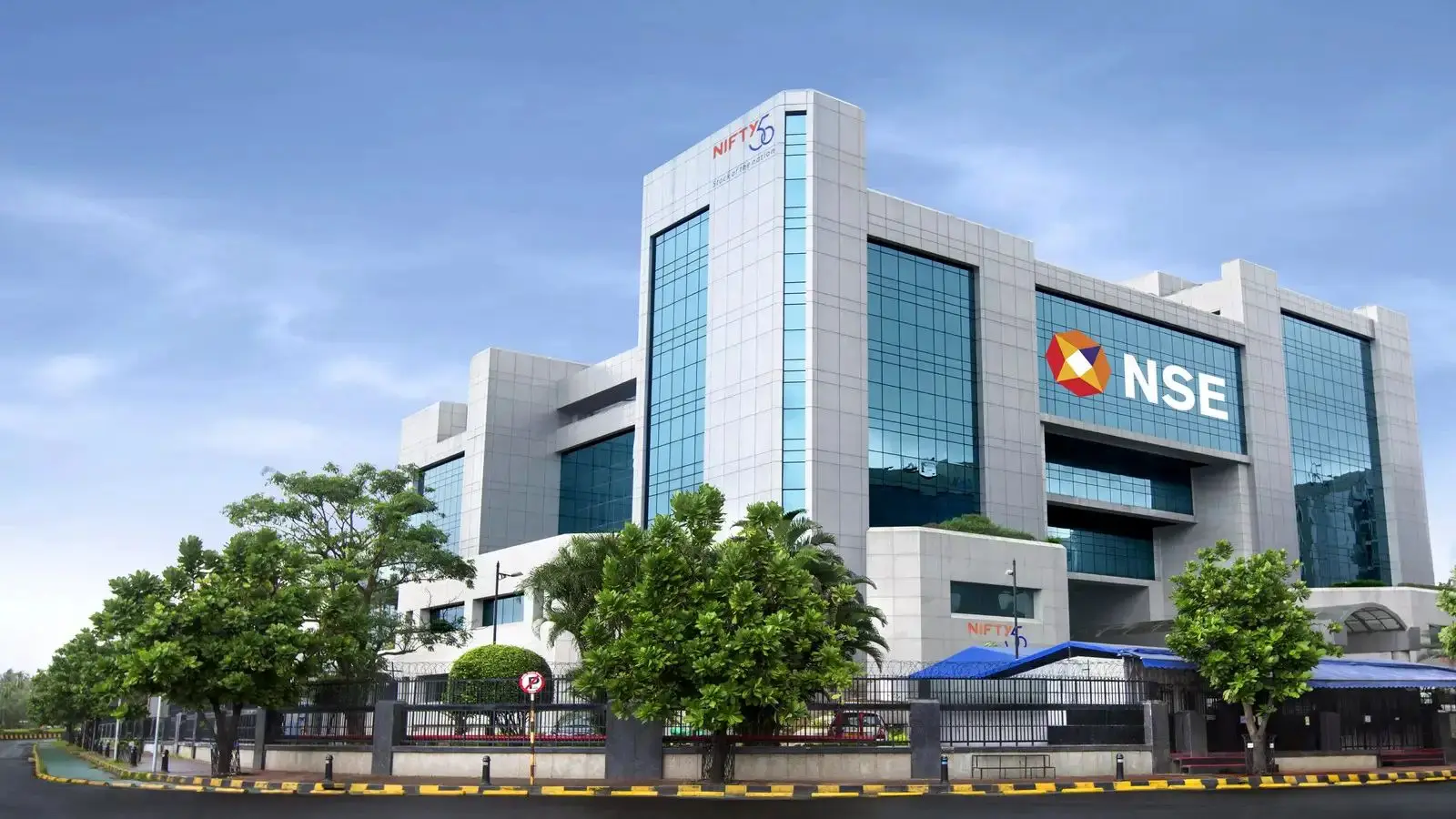
Exchange of Wealth: NSE Leads India’s Most Valuabl...
24 Jun 2026, 11:03 PM
Bengal’s Egg-stra Curricular Conflict: Schools Cau...
24 Jun 2026, 11:00 PMADVERTISEMENT

Top Stories
Ration Revolution: Haryana to Add 4,000 New Depots
24 Jun 2026, 11:28 PM
India’s T20 World Cup Hopes Face Bangladesh Test
24 Jun 2026, 11:25 PM
Olympic Ambition: India’s 2036 Bid Faces 2029 Deci...
24 Jun 2026, 11:21 PM