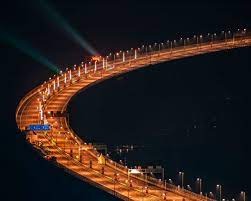






India’s bridges are rewriting engineering rules, rising across Himalayan gorges, cyclone-prone coasts, and turbulent seas. From the world’s highest railway arch at Chenab to the country’s longest sea bridge, Atal Setu, these structures symbolize ambition, resilience, and national integration, transforming connectivity and boosting regional growth across unforgiving terrains.
Chenab Bridge: Himalayan Triumph
Inaugurated in June 2025, the Chenab Railway Bridge in Jammu & Kashmir stands taller than the Eiffel Tower, making it the world’s highest railway arch. Built over two decades, it connects the Kashmir Valley to India’s rail network, withstanding extreme winds and seismic challenges through state-of-the-art steel arch technology.
Atal Setu: Sea-Linking Vision
Stretching across the Arabian Sea, Atal Setu is India’s longest sea bridge, designed to withstand cyclones and heavy maritime traffic. It exemplifies modern engineering’s role in reshaping coastal connectivity and reducing travel time between key economic hubs.
Major takeaways
• Chenab Bridge: World’s highest railway arch, part of Udhampur-Srinagar-Baramulla Rail Link
• Atal Setu: India’s longest sea bridge, enhancing coastal mobility
• Other icons: New Pamban Bridge, Dhola–Sadiya Bridge, Anji Khad Bridge
• Built across rivers, mountains, and seas, these projects showcase India’s engineering ambition
• Bridges serve as lifelines for trade, tourism, and national integration
Impact
Together, these bridges highlight India’s ability to convert adversity into accomplishment. They are not just feats of engineering but enduring symbols of resilience, innovation, and inclusive development.
Sources: Financial Express, HCIMbabane Report, Afcons Press Release, The Chenab Times