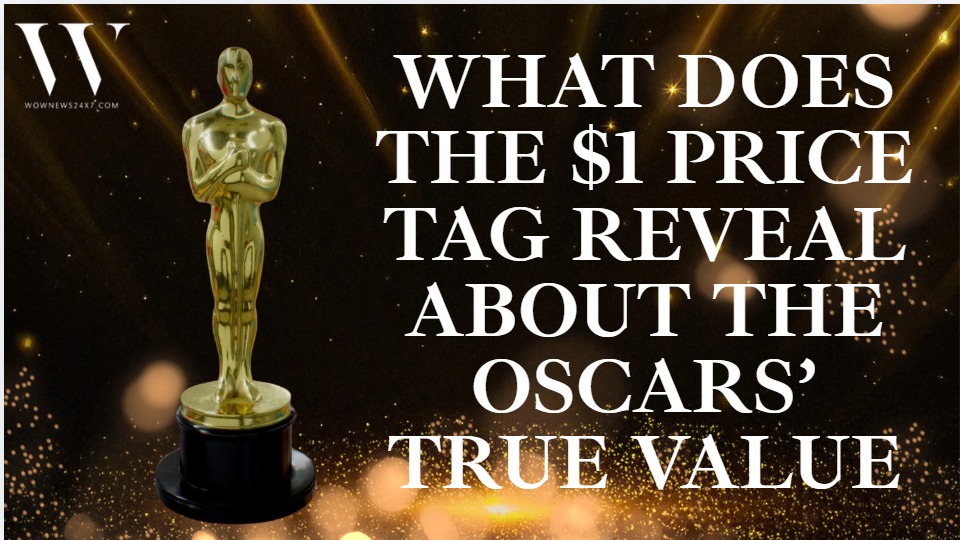



As the 98th Academy Awards approach, many wonder why the world’s most prestigious film award is valued at just $1. The answer lies in the Academy’s unique rules: while the statuette is priceless in terms of recognition, its monetary value is deliberately restricted to prevent commercialization.
The History Behind The Rule
Since 1951, the Academy of Motion Picture Arts and Sciences has enforced a contract clause that bars winners from selling their Oscars. If a winner or their heirs wish to part with the trophy, they must first offer it back to the Academy for $1. This ensures the statuette remains a symbol of achievement rather than a commodity.
Production Costs And Craftsmanship
Despite the symbolic $1 value, each Oscar statuette costs over $400 to produce. Standing 13.5 inches tall and weighing 3.85 kilograms, the trophy is made of gold-plated bronze. Its craftsmanship and iconic design make it one of the most recognizable awards globally, though its resale restrictions keep it off the open market.
Exceptions And Auction Sales
Interestingly, Oscars awarded before 1951 are not bound by the resale clause. Several of these early trophies have fetched millions at auctions, highlighting the stark contrast between their collectible value and the symbolic $1 price tag of modern statuettes. This distinction underscores the Academy’s intent to protect the sanctity of the award.
Cultural Significance Over Monetary Value
The Academy’s policy reflects its belief that the Oscar’s worth lies in recognition, not resale. By restricting its market value, the organization ensures that the statuette remains a cultural icon representing cinematic excellence, rather than a tradable asset.
Key Highlights
-
Oscar trophies officially valued at $1 due to resale restrictions
-
Winners must offer the statuette back to the Academy before any sale
-
Rule introduced in 1951 to protect symbolic value
-
Production cost of each trophy exceeds $400
-
Pre-1951 Oscars exempt from rule, sold for millions at auctions
Sources: Firstpost, WION, The Economic Times